Oahu Grocery Prices in 2026: What Tourists Really Pay (Real Receipts Inside)

Groceries in Oahu can shock first-time visitors. A simple cart can cost 2–3× more than the mainland — and most tourists don’t find out until they’re standing at the checkout counter.
Planning a trip to Oahu and worried about food costs eating your budget? You’re not alone. Most tourists are shocked when they see grocery prices in Oahu for the first time — a simple gallon of milk can cost nearly double what it does back home.
Quick answer: Expect to pay 30–50% more than the mainland for groceries in 2026. A solo traveler should budget $120–$180 per week, a couple $200–$280, and a family of four $400–$550. Shopping at Walmart or Costco instead of tourist-area stores cuts that by 20–40%.
This guide breaks down actual grocery prices for tourists visiting Oahu in 2026, based on real receipts and current 2026 store pricing. You’ll learn where to shop, what items cost, and how to save money on food without sacrificing your vacation. And if you’d rather skip cooking some nights, pair this with our guide to Oahu local food under $15 for cheap, authentic meals that won’t blow your budget.
Let’s dive into real numbers from local stores so you can budget accurately.
How Expensive Are Groceries in Oahu?
Groceries in Oahu run roughly 30% to 50% more than cities like Las Vegas or Dallas, and about 32% higher than the U.S. average overall. During my last grocery run in Honolulu, a cart that would have cost $80 back home came to nearly $120 — and that was shopping at Costco, the cheapest option on the island.
The short answer: expect a solo traveler to spend $120–$180 per week, a couple $200–$280, and a family of four $400–$550. Locals living in Honolulu pay around $139–$160 per week for groceries, according to Move.org and Zippia cost-of-living data — so even residents feel the “tourist tax” pricing structure. The Honolulu food-at-home Consumer Price Index (CPI) is running about 3.1% higher year-over-year in 2026, slightly ahead of the 2.4% national average, so prices are still climbing, not falling.
The good news: this gap is avoidable. Tourists who shop at Walmart or Costco instead of ABC Stores or hotel gift shops routinely cut their grocery bill by 20–40%, which is the single biggest lever you control on this trip.
Why Oahu Groceries Cost More Than Mainland USA
Oahu sits 2,500 miles from the mainland. That distance drives up prices significantly. Most products arrive by ship or plane. Transportation adds 20-40% to base costs compared to California or Texas.

The island economy also means limited competition. Fewer stores means less price pressure. Plus, Hawaii’s high cost of living affects everything. If you’re planning to budget your trip carefully, check the Oahu budget travel guide for more money-saving tips. Workers need higher wages and stores pass those costs to shoppers.
Cheapest Grocery Stores in Oahu Ranked
For most tourists, Walmart and Costco offer the lowest grocery prices on the island. Foodland and Safeway provide a good balance between convenience and selection, while ABC Stores are usually the most expensive option for everyday essentials.
Travelers staying in Waikiki can save a surprising amount of money simply by taking a short trip to Walmart or Target instead of shopping near hotels.
Bread, Cereal & Pantry Staples in Hawaii
A loaf of bread in Hawaii costs $4 to $7. Store brands cost less, around $3.50. Name brands and whole grain bread cost more, sometimes $8 to $10.
A box of cereal costs $6 to $9. Prices go up because bread and cereal both ship in from the mainland.
| Store | Bread (loaf) | Cereal (box) |
|---|---|---|
| Costco | $4.29 | $5.99 |
| Walmart | $4.79 | $6.49 |
| Foodland | $6.49 | $8.99 |
| Safeway | $5.99 | $7.99 |
Buy bread and cereal at Costco or Walmart. You will save $2 to $3 per item.
Average Grocery Prices in Oahu (2026)
Grocery prices in Oahu vary depending on where you shop. Walmart and Costco usually offer the lowest prices, while Foodland and Safeway are often more expensive for the same products.
| Item | Lowest Price | Higher Price |
|---|---|---|
| Milk (1 gallon) | $5.99 (Costco) | $8.99 (Foodland) |
| Bread | $4.29 | $6.49 |
| Eggs (dozen) | $5.79 | $7.99 |
| Chicken Breast (per lb) | $6.49 | $9.99 |
| Rice (5 lb) | $6.99 | $9.99 |
| Bananas (per lb) | $0.69 | $1.29 |
| Water (24-pack) | $6.99 | $12.99 |
| Poke (per lb) | $12.99 | $18.99 |
These prices reflect typical costs found in Honolulu stores during 2026. Shopping at Walmart or Costco instead of tourist-area stores can often reduce grocery expenses by 20% to 40%.
Hawaii Grocery Prices 2026: Full Breakdown by Category
Grocery prices in Hawaii change by category. Some items cost a little more. Some cost a lot more. Here is a full price list for 2026.
Dairy & Eggs
- Milk (1 gallon): $5.99–$8.99
- Eggs (dozen): $5.79–$7.99
- Butter (1 lb): $5.49–$7.99
- Cheese (8 oz block): $4.99–$6.99
Meat & Protein
- Chicken breast (per lb): $6.49–$9.99
- Ground beef (per lb): $6.99–$10.99
- Bacon (12 oz): $6.99–$9.99
Pantry Staples
- Bread (loaf): $4.29–$6.49
- Rice (5 lb): $6.99–$9.99
- Cereal (box): $5.99–$8.99
- Pasta (1 lb): $2.49–$3.99
Produce
- Bananas (per lb): $0.69–$1.29
- Apples (per lb): $2.49–$3.49
- Local papaya (each): $2–$3
Drinks
- Water (24-pack): $6.99–$12.99
- Orange juice (64 oz): $5.99–$7.99
These prices come from Honolulu stores in 2026. Costco and Walmart sit at the low end. Foodland and Safeway sit at the high end. ABC Stores often cost more than both.
Actual Grocery Receipt Breakdown (Real Example)
Here’s a real grocery run from Safeway Waikiki during a 5-day trip. This was for two people buying basic items only.
Milk ($6.49), eggs ($5.99), bread ($4.50), water pack ($7.99), fruits ($12), and snacks ($10). The total came to around $47 for just a few items, which surprises most tourists.
This shows how quickly costs add up in Oahu. Even a small grocery trip can feel expensive, especially if you shop in tourist-heavy areas.
How Much Is 1 Gallon of Milk in Hawaii?
As of mid-2026, one gallon of milk in Hawaii costs between $6 and $9, depending on the store. Costco has the best price at roughly $5.99–$6.49 (Kirkland brand), while regular supermarkets run higher — a gallon of Foodland whole milk was $8.79 this year, up from $7.49 last year. Safeway and other chains typically fall in the $7–$10 range.
Why Is Milk So Expensive in Hawaii?
Milk costs more in Hawaii for one main reason: it comes from far away. Most milk ships in from the mainland. Shipping, cooling, and storage all add cost. Local dairy farms exist, but they are small. This keeps supply low and prices high.
Quick answer: A gallon of milk in Hawaii costs $6 to $9 in 2026. Costco has the lowest price, around $5.99. Foodland and Safeway charge $8 to $9.
Is It Cheaper to Buy Groceries or Eat Out in Oahu?
For most travelers, buying groceries is cheaper than eating every meal at restaurants. Simple breakfasts, snacks, and lunches purchased from grocery stores can reduce food expenses significantly during a week-long trip. Visitors looking to save even more often combine grocery shopping with affordable meals from the Oahu local food under $15 guide.
Many visitors choose a mix of grocery shopping and dining out to balance convenience, local experiences, and overall travel costs.
How Much Should Tourists Budget for Food in Oahu?
Most visitors should plan to spend between $15 and $40 per person per day on groceries depending on shopping habits and accommodation type. Travelers staying in condos with kitchens usually spend less on food than those relying entirely on restaurants and convenience stores.
A combination of grocery shopping and occasional dining out provides the best balance between cost savings and enjoying Oahu’s local food scene.
The Tourist’s Secret Weapon: Free Loyalty Cards
You do not need to live in Hawaii to get local discounts. Stores like Safeway and Foodland have two prices: “Member” and “Non-Member.” The difference is huge.
How to save money instantly:
- Safeway: At the checkout, enter your phone number on the keypad. Even if you aren’t a member, it often triggers “Club” discounts.
- Foodland (Maikai Card): Tell the cashier you want a “Maikai Card.” It is free. Give them your phone number. You will save 10% to 20% on that same visit.
- No Physical Card: You don’t need to carry anything. Just remember the phone number you used.
Where to Shop: Oahu Grocery Regions
Where you stay on the island determines how much you spend on food.
Waikiki (The Convenience Zone)
Waikiki is easy to walk, but food is pricey. You will mostly see ABC Stores. Use these for cold water or a quick snack. Do not buy a full week of groceries here unless you want to pay double.
Ala Moana & Honolulu (The Middle Ground)
Just 10 minutes from Waikiki, you will find Target, Walmart, and Don Quijote. Prices here are fair. This is where locals shop for daily needs. It is the best balance of price and location.
Kapolei & West Side (The Value Zone)
If you are driving to Ko Olina or the North Shore, stop in Kapolei. It has the biggest stores and the best stock. Parking is easy, and the aisles are less crowded than in the city.
Grocery Stores You Can Walk to From Your Waikiki Hotel (No Rental Car Needed)
If you’re staying in Waikiki without a car, you have real options within a 5–15 minute walk: Food Pantry (Eaton Square, near Hilton Hawaiian Village), Waikiki Market on Kūhiō Ave (Foodland-owned, full grocery selection since its 2023 reopening), and about 40 ABC Stores scattered across the strip for basics.
For a bigger, cheaper haul, Safeway on Kapahulu Ave is a 10-minute walk or one short bus ride from central Waikiki — locals shop there, not just tourists. If you truly can’t walk far, Instacart delivers from Costco and Walmart Supercenter straight to your hotel, which often works out cheaper than paying ABC Store markups all week.
Best & Worst Grocery Stores in Oahu for Tourists
Not all stores are equal in Oahu. Tourists often shop where it’s convenient, not where it’s cheap. This leads to overspending without realizing it.
From experience, Walmart and Costco are the cheapest options, while ABC Stores are the most expensive. Local stores like Foodland and Safeway sit in the middle with decent pricing.
Foodland vs. Safeway vs. Walmart: Which Is Actually Cheapest?
Short answer: Walmart and Costco are cheaper than Foodland and Safeway. On most basic items, you save 20% to 30%.
| Item | Walmart | Foodland | Safeway |
|---|---|---|---|
| Milk (1 gallon) | $6.29 | $8.79 | $7.49 |
| Bread (loaf) | $4.79 | $6.49 | $5.99 |
| Eggs (dozen) | $5.99 | $7.99 | $6.99 |
| Chicken breast (lb) | $6.99 | $9.99 | $8.49 |
Foodland is not cheap, but it is not the worst either. It sits between Walmart and ABC Stores. Foodland’s Maika’i card can bring prices down 10% to 20%. Safeway works the same way with its Club card.
Bottom line: For a full grocery trip, go to Walmart or Costco. For a quick, local stop, Foodland with a Maika’i card is fine.
Walmart (Keeaumoku Street & Kapolei)
Walmart offers the best prices for mainland visitors. The selection feels familiar and pricing stays competitive. The Keeaumoku location sits near Waikiki. Easy access makes it popular with tourists staying in hotels and Waikiki restaurants.
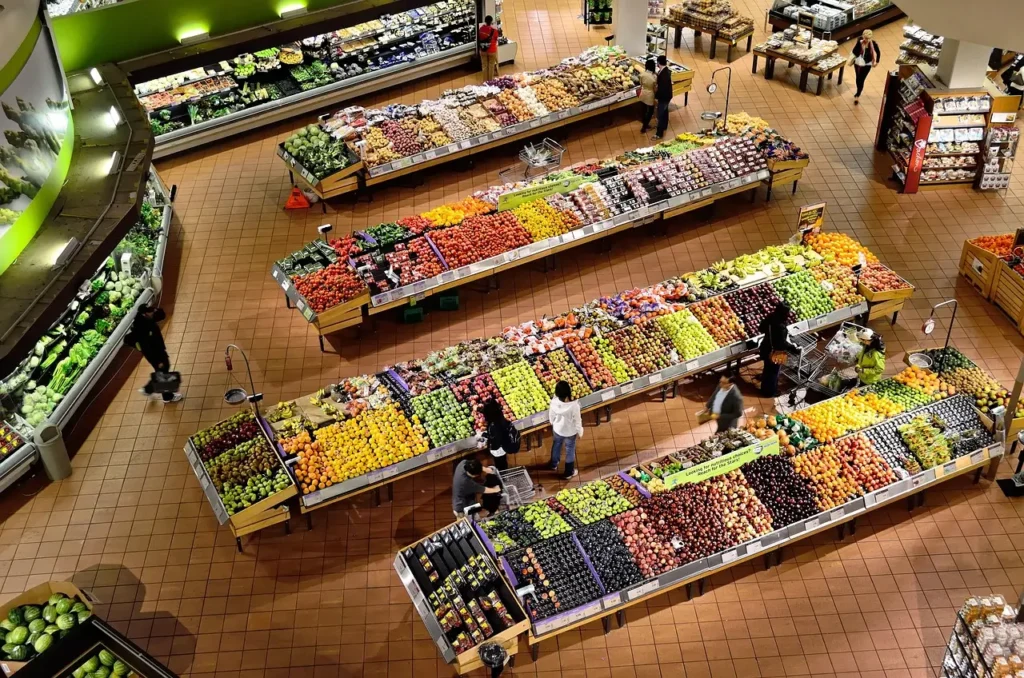
Tourist-friendly features: Self-checkout, large parking lot, pharmacy, and deli section.
Costco (Iwilei & Kapolei)
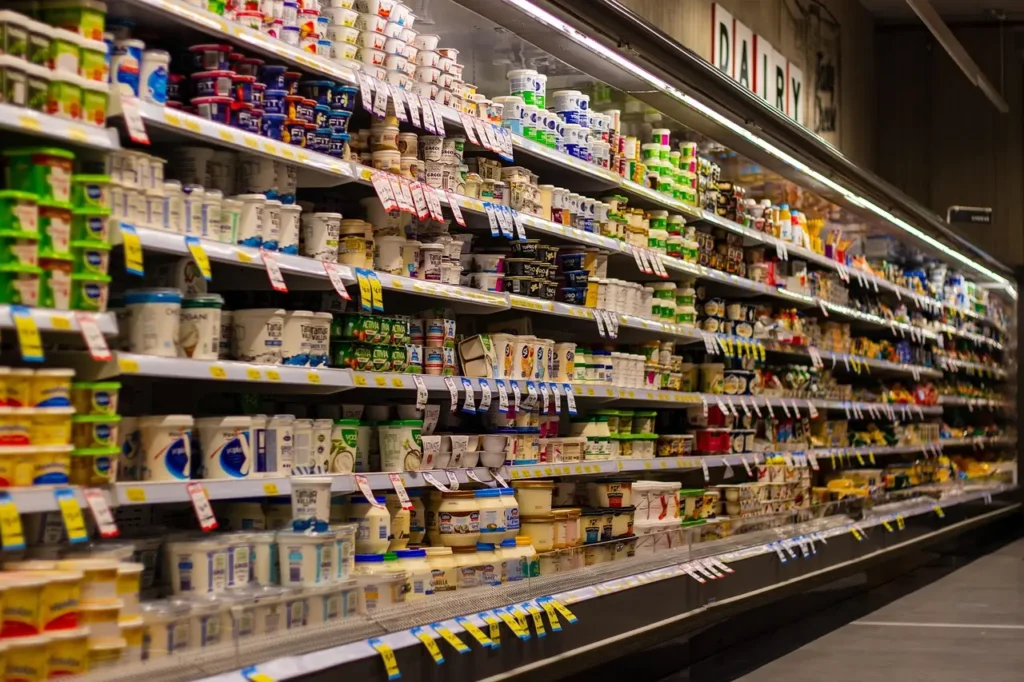
Bulk buying at Costco Hawaii saves serious money. You will need a membership ($65/year), but families can save $100+ on a week’s groceries. The prepared food section offers excellent value. Rotisserie chicken costs $4.99 and the food court has cheap meals.
Best for: Groups, families, condo rentals with freezer space.
Foodland
This local grocery chain has 32 locations across Oahu. Higher prices, but great quality and Hawaiian specialties. The poke bar is legendary. If you want more local food options, check out the best poke in Oahu guide. Fresh ahi costs more but beats mainland quality by miles.
Tourist advantage: Maika’i rewards card offers instant discounts. Sign up free at customer service.
Safeway
Middle-ground pricing with a good selection. The Kapahulu location near Diamond Head serves many Waikiki tourists. Club card deals drop prices 20-30% on sale items. Download the app before shopping.
Hidden gem: Prepared foods section has decent plate lunches for $8-10.
Don Quijote (Donki)
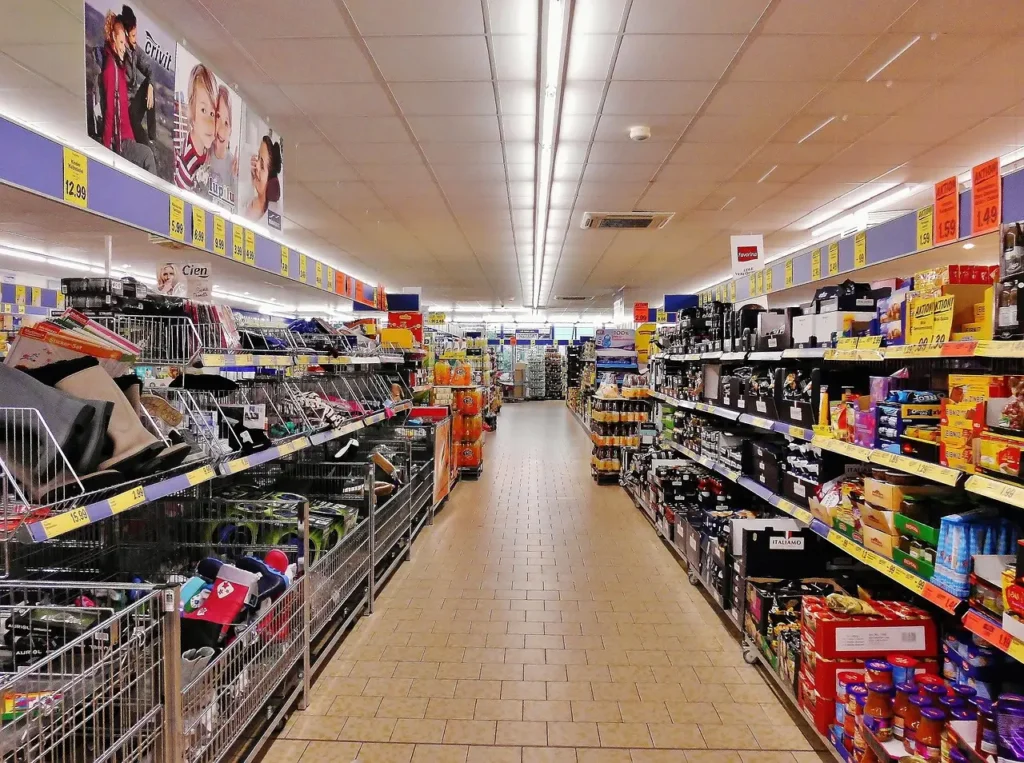
This Japanese discount store brings adventure to grocery shopping. Open 24 hours at the Kaheka location. Great prices on Asian foods, snacks, and produce. The prepared bento boxes run $6-8 and feed you well.
Culture bonus: Experience local Japanese-Hawaiian fusion shopping. Stock up on unique snacks to bring home.
Real Grocery Budget for Oahu Tourists
Many visitors underestimate how much groceries cost in Oahu. Even basic items such as milk, eggs, bread, snacks, and drinks are noticeably more expensive than in most mainland states.
For a typical trip, a solo traveler usually spends around $120–$150 per week on groceries, while couples often spend $200–$280. Families of four can expect grocery costs between $400 and $550 depending on how often they cook and how many restaurant meals they include during their vacation.
| Traveler Type | Weekly Grocery Budget |
|---|---|
| Solo Traveler | $120–$150 |
| Couple | $200–$280 |
| Family of Four | $400–$550 |
| Budget Backpacker | $80–$100 |
These estimates assume travelers shop at stores such as Walmart, Costco, Safeway, or Foodland and combine grocery meals with occasional restaurant visits.
Money-Saving Strategies for Tourist Grocery Shopping
Shop Like a Local
Avoid hotel gift shops and ABC Stores for anything except emergencies. You will pay 50-100% markup on basics. Hit a real grocery store within 24 hours of arrival. Stock your rental with essentials immediately.
Buy local produce when possible. Hawaiian-grown bananas, papayas and avocados cost less than imported apples and berries.
Time Your Shopping Right
Wednesday is new sale day at most chains. Circular deals start mid-week. Early morning shopping (7-9 AM) gets you fresher selection and fewer crowds.
Sunday afternoon often has weekend sale extensions plus markdown stickers on meat and prepared foods.
Join Loyalty Programs Before You Arrive
Download these apps before landing to maximize savings: Safeway Just for U, Foodland Maika’i Rewards, and Times Supermarket Rewards. Digital coupons load instantly to your account. Some programs offer 10-20% off your first purchase for new members, which adds up quickly.
Buy Smart Categories
Always buy here: Water, breakfast items, snacks, alcohol (if drinking), sandwich supplies
Consider buying: Fresh fish (if cooking same day), tropical fruit, local specialties
Skip and eat out: Complex meal ingredients (unless cooking enthusiast), specialty spices you’ll use once
Oahu Grocery Prices vs Mainland USA: The Real Comparison
Here’s how Oahu stacks up against average mainland prices in 2026:
Milk: 70% more expensive Bread: 85% higher
Eggs: 60% premium Fresh produce: 40-120% more (varies by item) Meat: 50-80% higher Packaged goods: 30-50% markup
The cost of living in Hawaii means these gaps won’t close soon. Shipping costs and limited competition keep prices elevated.
But smart shopping still saves money. A $15 restaurant breakfast costs the same as three days of cereal, milk, and fruit.
Items That Cost Less (or Same) in Oahu
Not everything costs more. These items offer good value compared to mainland prices. Pineapple often comes cheaper and infinitely fresher, running $3-4 for a whole fruit. Papayas cost $2-3 each versus $4-5 on the mainland. Local fish runs more expensive but the quality difference justifies the premium.
Spam musubi, a local specialty, costs just $2-3 at convenience stores and makes a filling snack. Plate lunch from grocery store delis runs $10-12 and gives huge portions that feed you well.
Farmer’s Markets: Alternative Shopping Option
KCC Farmers Market (Kapiolani Community College) runs Saturday mornings. High-quality local produce, prepared foods, and crafts.
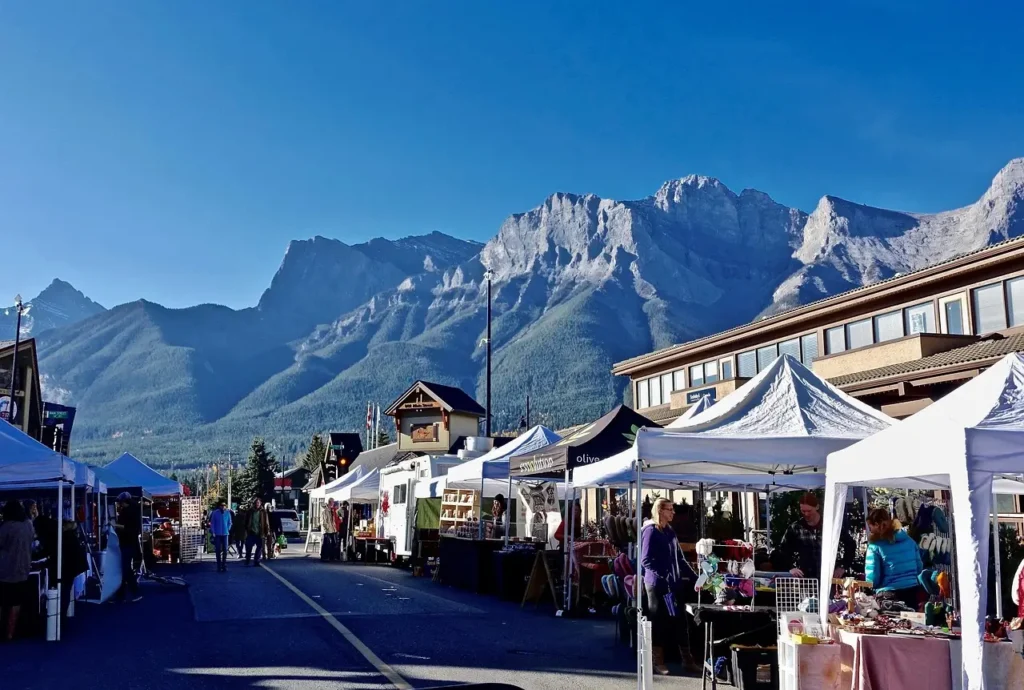
Prices beat grocery stores on some items. Avocados go for $1-2 each, and tropical fruit bundles offer value.
Diamond Head area location makes it tourist-accessible. Arrive by 8 AM for best selection. Other notable markets include Haleiwa Farmers Market on the North Shore every Thursday, Kailua Town Farmers Market on Thursday evenings, and Honolulu Farmers Market on Wednesday and Saturday.
Eating on a Budget: Grocery Store Prepared Foods
Oahu grocery stores serve excellent ready-to-eat options:
Poke bowls: $8-12 (build your own at deli counter) Plate lunches: $9-13 (two scoops rice, mac salad, protein) Bento boxes: $6-10 (Japanese-style lunch boxes at Donki) Rotisserie chicken: $7-9 (Safeway, Foodland) Sushi platters: $12-18 (fresher than mainland)
These items cost 30-50% less than restaurant equivalents. They’re also authentic local food experiences.
How Much Does a Hamburger Cost in Hawaii?
A basic fast-food hamburger in Hawaii costs noticeably more than on the mainland. At McDonald’s, a Big Mac averages around $6.69–$7.89 in Hawaii, compared to roughly $5.91 nationally — a difference of $1 or more per burger. A plain cheeseburger runs about $3.58–$3.80, and a full McMeal combo typically lands near $13. At Burger King, a Whopper averages $7.49 nationally, but Hawaii locations usually run 15–25% above that, putting it closer to $8.60–$9.35.
Sit-down or local specialty burgers cost more. Plate-lunch style hamburger meals at grocery store delis run $9–$13, while gourmet options — like the truffle smash burgers sold at farmers-market food stalls in Kakaako — can hit $16–$18. If you want the local twist on a burger, try loco moco: a hamburger patty over rice topped with brown gravy and a fried egg, usually $10–$14 at a plate-lunch counter.
From what I’ve seen shopping and eating around Honolulu, the pattern holds everywhere: fast food and burgers cost roughly 15–30% more in Hawaii than the mainland average, mainly because of shipping costs on beef and higher local labor wages. If a burger is what you’re craving, a grocery store deli or plate-lunch spot beats a tourist-strip restaurant almost every time.
Should You Cook or Eat Out in Oahu?
Eating out in Oahu is expensive. A simple meal can cost $12–$20 per person, and restaurants in Waikiki often charge even more.
Cooking saves money, but only if you plan right. From experience, preparing simple meals like sandwiches, pasta, or breakfast can cut food costs by 30–50% compared to eating out every day.
Tourist Stores That Charge the Highest Prices
Convenience often comes at a premium in Oahu. ABC Stores, hotel gift shops, and small convenience stores near Waikiki usually charge much higher prices for everyday items such as water, snacks, and drinks. Airport food outlets can also be surprisingly expensive, with prices often well above what you would pay at a supermarket.
For most tourists, a quick stop at Walmart, Costco, or a local grocery store shortly after arrival is one of the easiest ways to avoid unnecessary spending and keep food costs under control.
Grocery Shopping Mistakes That Cost Tourists the Most
One of the biggest mistakes tourists make is shopping only in Waikiki. Stores near hotels charge a premium for convenience, which means everyday items can cost significantly more than they do at Walmart, Costco, or local supermarkets.
Another costly mistake is buying drinks, snacks, and bottled water one item at a time. A case of water from Walmart may cost around $6, while buying individual bottles in tourist areas can easily cost two or three times more. A single grocery trip early in your vacation can save far more money than most visitors expect.
Specialty Grocery Stores in Oahu
If you’re looking for organic foods, international products, or specialty diets, Oahu has several excellent grocery options beyond the major chains. Whole Foods is popular for organic produce, prepared meals, and premium local products, while Nijiya Market offers authentic Japanese foods, snacks, and affordable bento boxes.
Vegetarian and vegan travelers often prefer Down to Earth because of its large selection of organic groceries, plant-based products, and bulk foods. Although prices are generally higher than Walmart or Costco, these stores offer unique products that are difficult to find elsewhere on the island.
Pros and Cons of Grocery Shopping in Oahu
| Pros | Cons |
|---|---|
| Saves money | Higher prices than mainland |
| Fresh local food | Limited brand selection |
| Great prepared meals | Tourist areas expensive |
| Tropical fruit | Bulk shopping harder |
Final Verdict: What Should Tourists Expect to Pay?
Expect grocery prices in Oahu to be 30% to 80% higher than many mainland cities. However, buying groceries is still far cheaper than eating every meal at restaurants, especially for families and longer vacations.
For most visitors, the best strategy is simple: shop once at Walmart or Costco after arriving, stock up on essentials, and save restaurants for the meals that matter most. This approach keeps costs under control while still letting you enjoy Oahu’s food scene.