Budget Trip to Hawaii: The Complete 2026 Guide to Hawaii on a Budget

I still remember my first morning in Hawaii. I woke up at 5 a.m. because my body was still on mainland time. I walked out to the beach with a cup of coffee, and I had the whole shoreline to myself. No entry fee. No ticket. Just me, the waves, and the smell of plumeria in the air. That morning taught me something: you do not need a huge bank account to fall in love with Hawaii.
Since that first trip, I have been back to the islands more than a dozen times. I have slept in cheap motels, split a rental car with friends, and eaten $5 plate lunches that tasted better than fancy resort dinners. I have also made mistakes — like paying $60 for a hotel breakfast I could have made myself for $8. This guide is everything I have learned about planning a budget trip to Hawaii, updated with real 2026 prices.
By the end of this article, you’ll know exactly how much to save, which island fits your wallet, and the tricks locals use to keep their own costs down.
Is Hawaii Expensive? (And Why)
Yes, Hawaii is expensive. It’s often ranked as the most expensive state in the U.S. to visit. But once you understand why, it’s easier to plan around it.
Here’s the simple reason: Hawaii is a group of islands in the middle of the Pacific Ocean. Almost everything you eat, wear, or use gets shipped or flown in. That shipping cost gets added to the price tag. Land is also limited, so hotels and homes cost more to build and to stay in.
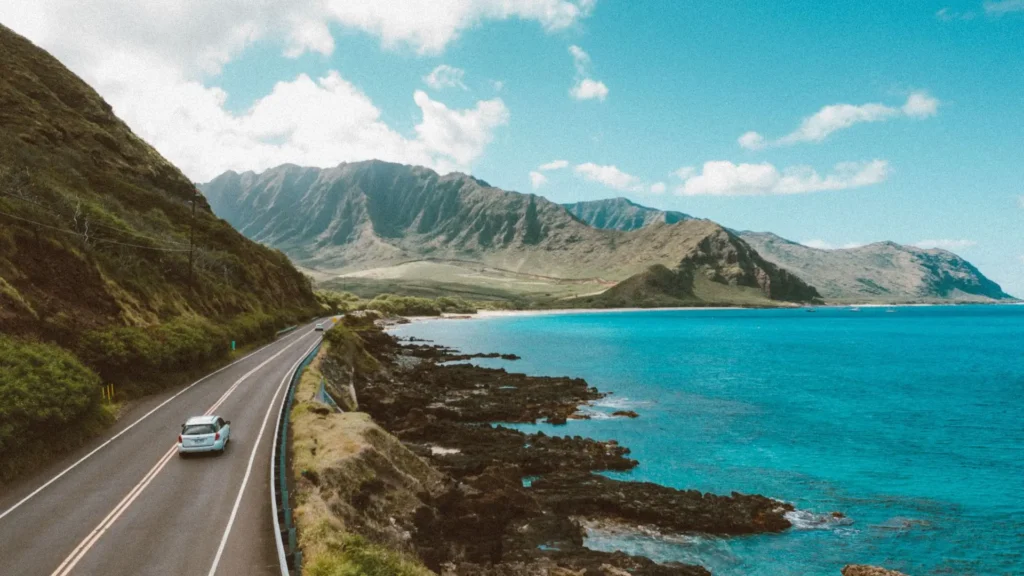
On top of that, Hawaii charges extra taxes on hotels and vacation rentals. In 2026, the state’s Transient Accommodations Tax rose from 10.25% to 11%, and that’s stacked on top of the 4.712% general excise tax. So a $200 hotel room can quietly become $250 or more before you even check in.
The good news? Once your flight, hotel, and rental car are booked smartly, your daily costs can drop a lot. Beaches, hiking trails, and sunsets are still 100% free.
How Much Does a Hawaii Trip Cost in 2026?
This is the question everyone asks first: how much is a trip to Hawaii?
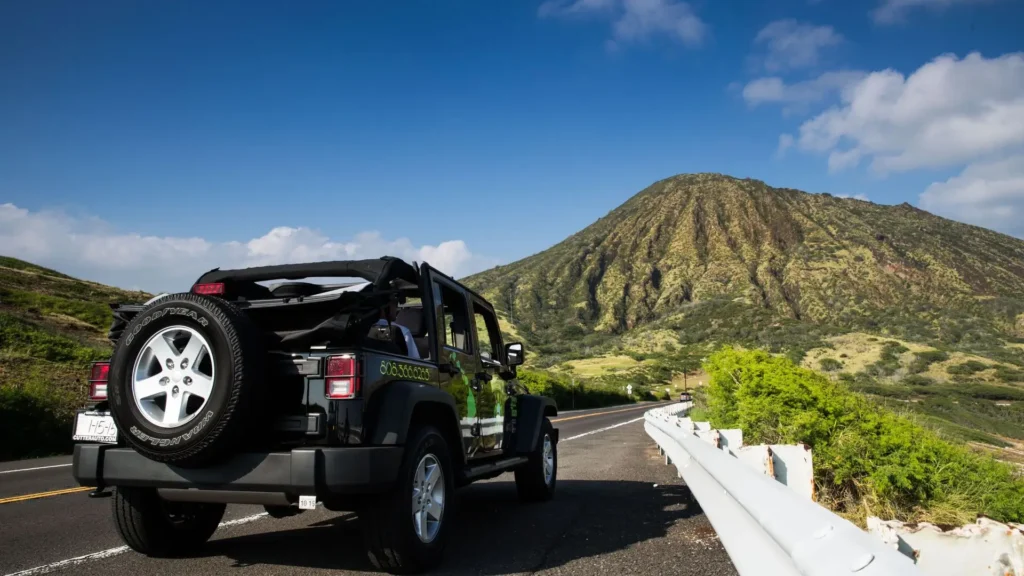
According to the Hawaii Department of Business, Economic Development & Tourism (DBEDT), visitors spent an average of $273 per person, per day in 2026 on hotels, food, activities, and transportation. Since the average trip lasts about eight days, that works out to roughly $2,184 per person, not including flights.
Add flights, and a realistic budget trip looks like this for two people flying from the West Coast:
| Expense | Budget Range (per couple, 7 nights) |
|---|---|
| Flights (round trip, both people) | $500 – $900 |
| Hotel or rental (budget option) | $1,000 – $1,600 |
| Rental car | $200 – $350 |
| Food | $350 – $600 |
| Activities | $150 – $400 |
| Total (7 nights, 2 people) | $2,200 – $3,850 |
Prices rose again in early 2026. Statewide visitor spending was up nearly 15% compared to the same time in 2025, driven mostly by higher hotel rates. That’s exactly why booking smart — not just booking early — matters more than ever this year.
How Much Should I Budget for a Hawaii Trip?
A good rule of thumb: budget at least $150 to $200 per person, per day, once your flight is covered. This covers a modest hotel or rental, food, a rental car split between travelers, and a couple of paid activities.
Here’s a simple breakdown by travel style:
| Travel Style | Per Person, Per Day | Best For |
|---|---|---|
| Bare-bones budget | $100 – $130 | Hostels, house-sitting, cooking most meals |
| Smart budget (this guide) | $150 – $200 | Budget hotels, mixed cooking and eating out |
| Comfortable mid-range | $250 – $320 | 3-star hotels, dining out daily |
| Luxury | $450+ | Resorts, private tours, fine dining |
If you’re planning a 2-week trip, multiply your daily number by 14, then add a buffer of about $150 to $200 for airport transport, souvenirs, and one splurge activity like a boat tour or luau. For a couple, a smart-budget two-week Hawaii trip usually lands between $4,500 and $6,500, including flights.
Most Affordable Hawaiian Island to Visit
Not all islands cost the same. If you’re wondering about the cheapest island to travel to in Hawaii, here’s how they compare, based on average daily visitor spending:
| Island | Average Daily Spend (Per Person) | Why It’s Cheaper or Pricier |
|---|---|---|
| O’ahu | Lowest of the main islands | Most flight competition, budget hotel options, public bus system |
| Big Island (Hawai’i Island) | Low | Large hotel supply, cheaper local car rentals |
| Moloka’i | Low, but harder to reach | Few hotels, limited flights raise transport costs |
| Kaua’i | Mid-to-high | Fewer restaurants, less hotel competition |
| Maui | High | Premium resorts, pricier everything |
| Lāna’i | Highest | Only two hotels, both luxury resorts |
Bottom line: O’ahu and the Big Island are the two most affordable Hawaiian islands to visit. Both have public transportation, budget hotel chains, and lower food costs than Maui or Kaua’i. If your goal is stretching every dollar, start your search on one of these two islands. For a deeper dive, check out our full Oahu budget travel guide and our guide to choosing the best island to visit in Hawaii.
What Is the Cheapest Month to Go to Hawaii?
Prices in Hawaii shift a lot depending on the season. Based on 2026 pricing data, here’s what to expect:
| Season | Months | What to Expect |
|---|---|---|
| Cheapest | September, October, early November | Hotels run 30–40% below winter peak; flights cost 20–35% less |
| Also affordable | Late April, May | Warm weather, thinner crowds, prices drop after spring break |
| Most expensive | Mid-December to mid-January | Holiday travel, highest hotel and flight prices |
| Avoid if on a budget | Mid-March to mid-April | U.S. spring break spikes prices, especially on Maui and O’ahu |
If I had to pick one window, I’d say late September through early November. The weather is still warm, hurricane season is winding down, and hotels are hungry for bookings after the summer rush. I booked a trip during this window myself and paid almost 35% less than I would have in July for the same hotel room. See our full breakdown of the best time to visit Oahu for low prices for month-by-month numbers.
Hawaii Off-Season for Tourists
Hawaii doesn’t have a true “off-season” the way ski towns or beach towns on the mainland do — the weather stays warm year-round. But tourism does slow down in specific windows:
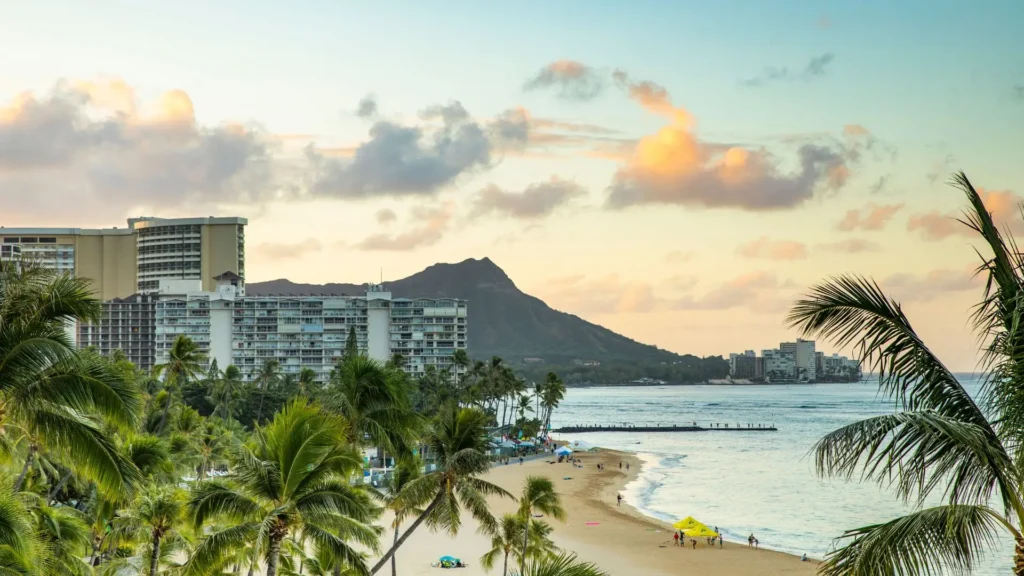
- September through early November (after summer break, before the holidays)
- Late January through February, excluding whale-watching demand
- Weekdays in general, even during busy months, since most travelers arrive on weekends
Traveling during these quieter windows means shorter waits at popular hikes, easier restaurant reservations, and better hotel deals. It also means calmer beaches for swimming, since summer and holiday crowds thin out.
Plan a Trip to Hawaii: Flights and Travel Deals
Flights are usually the first big expense you’ll lock in, so this is where to start when you plan a trip to Hawaii.
A few habits that have saved me hundreds of dollars:
- Track flights on Google Flights. Set a price alert for your dates and wait for a dip before booking.
- Fly midweek. Tuesday and Wednesday departures are often $50 to $100 cheaper than weekend flights.
- Book separate one-way tickets instead of round trip. Sometimes the cheapest flight there is on one airline, and the cheapest flight home is on another.
- Be flexible with your arrival island. Flying into O’ahu and taking a short $50 inter-island hop to Kaua’i or Maui is often cheaper than flying directly.
- Use airline miles or a travel credit card sign-up bonus. A single welcome bonus can cover one or two round-trip tickets to Hawaii.
Average round-trip economy fares from the West Coast during shoulder season run $400 to $600 per person, according to 2026 airfare data. Peak season (Christmas, spring break, summer) adds 30 to 50% on top of that.
Budget-Friendly Trip to Hawaii: Where to Stay
Hotels are usually the biggest line item in a Hawaii budget, so this is where the most savings live.
Ways to cut hotel costs:
- Book a room with a kitchen. Even a mini-fridge and microwave can cut your food bill in half.
- Look outside Waikiki and resort zones. Towns like Hilo, Kahului, and Kapaa often have the same beach access for less.
- Check for locally-owned hotels and small inns. They often skip the daily “resort fee” that big chains charge, which can add $30 to $50 a night.
- Consider a hostel or house-sit. Hostels exist on O’ahu, Maui, and Kaua’i, often for $40 to $70 a night per person.
- Always calculate the real price. A $200-a-night room can jump to nearly $280 once taxes, resort fees, and parking are added. Always check the total before you book.
Hawaii Food Prices: What You’ll Actually Pay
Food is where a lot of travelers get surprised. Here’s a realistic look at Hawaii food prices in 2026:
| Meal Type | Typical Cost Per Person |
|---|---|
| Plate lunch (local spot, food truck) | $12 – $16 |
| Casual sit-down restaurant | $20 – $35 |
| Fast food combo | $11 – $14 |
| Grocery store meal (cooked yourself) | $6 – $10 |
| Shave ice or coffee treat | $6 – $10 |
| Mid-range dinner with a drink | $35 – $55 |
Grocery prices also run about 15 to 20% higher than the U.S. mainland average. My personal trick: I hit a farmers market on the first morning of every trip. You’ll find cheap tropical fruit, fresh bread, and local snacks for a fraction of restaurant prices — and you get to talk to the people actually growing the food.
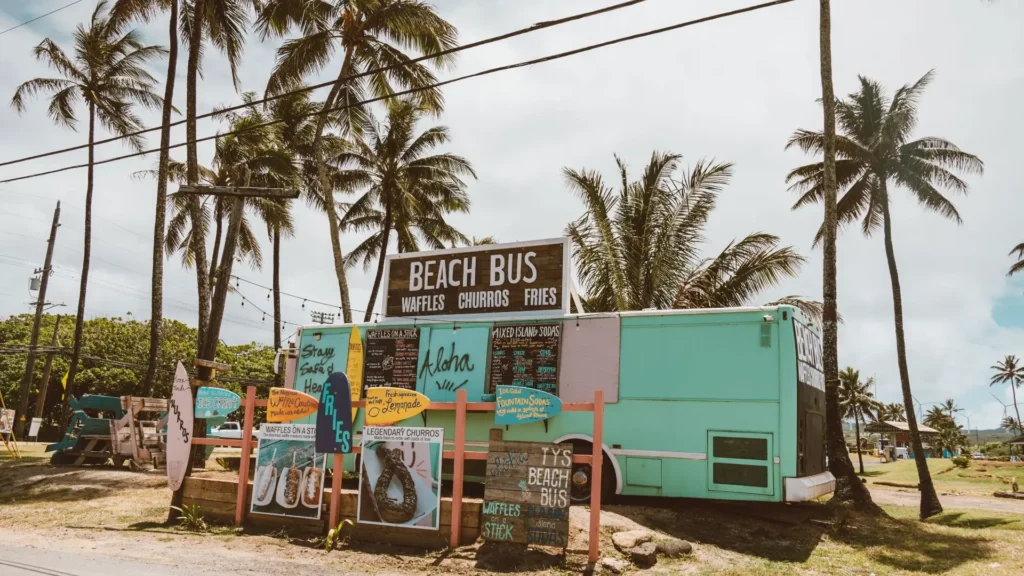
If you split your meals — cooking breakfast and lunch, eating out once a day — a couple can usually keep food costs to $50 to $80 a day combined.
How Much to Pack for a 2-Week Trip to Hawaii (Without Paying Extra)
Packing smart saves you real money in Hawaii, not just closet space. Airlines charge $30 to $75 per checked bag each way, so overpacking can quietly cost you $150 or more round trip for a family.
What I always pack to avoid paying twice:
- Reef-safe sunscreen — it’s sold in Hawaii, but at double the mainland price.
- My own snorkel mask and fins — rental shops often advertise $1.50 a day, but weekly totals with add-ons can reach $70. A basic set costs about the same to just buy once.
- A reusable water bottle and a small cooler bag — tap water is safe to drink, and this alone saves $5 to $10 a day per person on bottled drinks.
- One light rain jacket — even dry islands get sudden showers, and a $2 poncho beats a $20 gift-shop one.
- Reusable tote bags — Hawaii charges a small fee for plastic bags at stores.
For a two-week trip, one carry-on and one checked bag per person is usually enough if you plan to do laundry once mid-trip (many budget hotels have machines for $3 to $5 a load).
What Is the Golden Hour in Hawaii?
Here’s a tip almost no budget guide mentions: the golden hour — the hour just after sunrise and just before sunset — is your best free resource in Hawaii.
The light during golden hour is soft, warm, and low in the sky. It’s when the ocean turns gold and pink, and it’s the best time for photos without paying a professional photographer. In Hawaii, golden hour usually falls around 6:30–7:30 a.m. and 5:30–6:45 p.m., depending on the season and island.
It’s also the coolest, calmest part of the day. I always plan my hikes and beach walks around golden hour. The trails are quieter, the heat is milder, and the light makes every photo look like it belongs in a magazine — all without spending a dime on a tour or photo shoot.
Free and Cheap Things to Do in Hawaii
Some of the best experiences in Hawaii cost nothing at all:
- Beaches — all beaches in Hawaii are public and free to enter.
- Hiking — most trails are free; a few state parks charge a small parking fee.
- Snorkeling — free once you own your gear; turtles and colorful fish are common close to shore.
- Farmers markets — cheap fruit, snacks, and a real taste of local culture.
- Historic sites — places like Pearl Harbor’s visitor center and several state parks are free or low-cost.
- Sunset watching — one of Hawaii’s simplest and most memorable free activities.
Worth the splurge, if your budget allows: a sunset catamaran cruise, a manta ray night snorkel, or a whale-watching tour in season. These are hard to recreate on your own and often become the highlight of the whole trip.
Hidden Fees to Watch For in 2026
Before you finalize your Hawaii budget, plan for these often-missed costs:
- Resort fees: $25–$50 per night at many hotels, even budget ones.
- Parking: Often $30–$50 a night in Waikiki and resort areas.
- Transient Accommodations Tax: 11% as of January 2026, plus the 4.712% general excise tax.
- Rental car surcharges: Airport pickup often adds a “concession fee” of 10% or more.
- Inter-island flights: About $50–$100 one-way if you’re visiting more than one island.
Always ask for the total price with taxes and fees before booking anything — the sticker price rarely tells the full story in Hawaii.
My Honest Hawaii Budget Tips
After many trips, here’s what I actually do differently now compared to my first visit:
- I always rent a car with a kitchen-equipped stay, even if it costs a little more upfront — it pays for itself in food savings within three days.
- I no longer rent snorkel gear. My own mask has paid for itself many times over.
- I chase golden hour instead of paying for sunset cruises every trip.
- I check flight prices for both O’ahu and my target island before booking, since flying into O’ahu first is sometimes $150 cheaper.
- I always budget an extra 20% beyond what any calculator says, because Hawaii has a way of finding small extra costs you didn’t plan for.
Hawaii isn’t a cheap destination. But it’s not out of reach either. With the right planning, you can have an unforgettable trip without draining your savings account.
Final Thoughts
A budget trip to Hawaii is absolutely possible in 2026 — you just need to know where the real costs hide and where the real savings are. Book your flights during shoulder season, choose O’ahu or the Big Island if cost is your top priority, cook some of your own meals, and chase the free stuff: beaches, hikes, and that golden hour light that makes every photo look like a postcard.
I’ve made every mistake in this guide so you don’t have to. Now it’s your turn to book that flight.
Frequently Asked Questions About Hawaii Budgets
Plan for at least $150–$200 per person, per day, once flights are covered. For a 7-night trip for two people, that’s roughly $2,200–$3,850 including flights, hotel, food, a rental car, and activities.
September, October, and early November are usually the cheapest months, with hotel rates running 30–40% below winter peak prices. Late April and May are also good value windows.
Golden hour is the period just after sunrise and just before sunset, roughly 6:30–7:30 a.m. and 5:30–6:45 p.m. depending on the season. It offers the best light for photos and the coolest, calmest time to explore, completely free.
O’ahu and the Big Island are generally the most affordable islands, thanks to more hotel options, public transportation, and lower average daily spending compared to Maui, Kaua’i, or Lāna’i.
Based on 2026 data, a smart-budget trip for two people for 7 nights typically costs $2,200 to $3,850, including flights, lodging, food, a rental car, and activities.