Hanauma Bay Snorkeling Guide: Everything You Need to Know Before You Go (2026)

I set my alarm for 6:40 a.m. on a Wednesday, drove down Kalanianaole Highway with the sun still low over the water, and parked at Hanauma Bay just as the gate opened. By 7:15 a.m., I was standing in shallow, glass-clear water watching a yellow tang swim past my feet. That first morning taught me something every guide online seems to skip: getting into Hanauma Bay is actually harder than snorkeling once you’re inside. The reservation system, the parking, the timing — that’s where most visitors get stuck.
This guide covers all of it. I’ll walk you through how to book your Hanauma Bay reservation, what the tickets really cost in 2026, where to park, when to go for the clearest water, and what to do if you can’t get a spot. I’ll also cover the Hanauma Bay Ridge Trail, other great snorkeling spots on Oahu, and the small details that most articles leave out.
Is Snorkeling at Hanauma Bay Worth It?
Yes, and it’s worth it for a simple reason: Hanauma Bay is the only spot on Oahu where a complete beginner can walk straight off the sand into calm, protected water and see tropical fish within minutes. You don’t need a boat. You don’t need to fight waves. You don’t need any snorkeling experience at all.
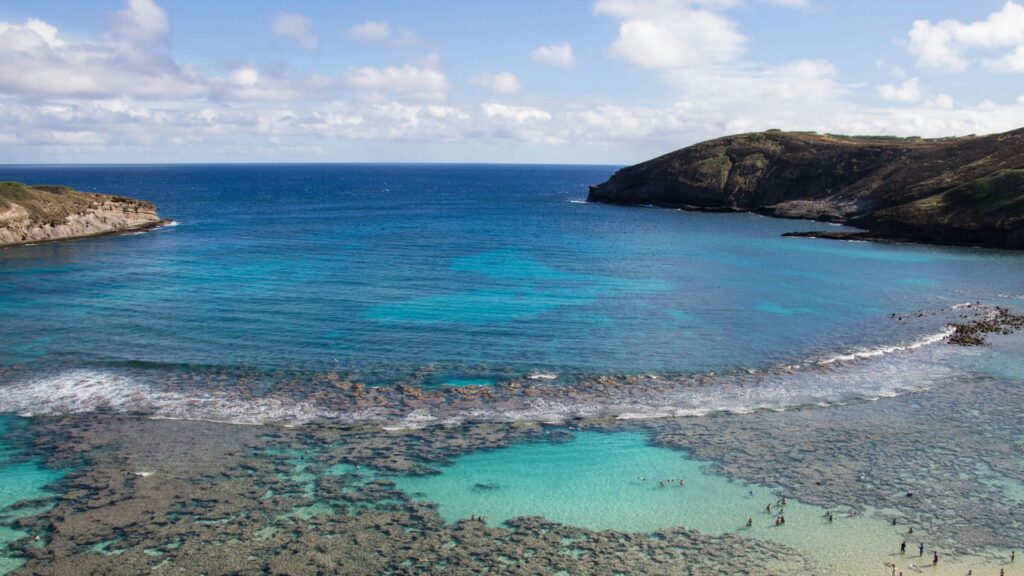
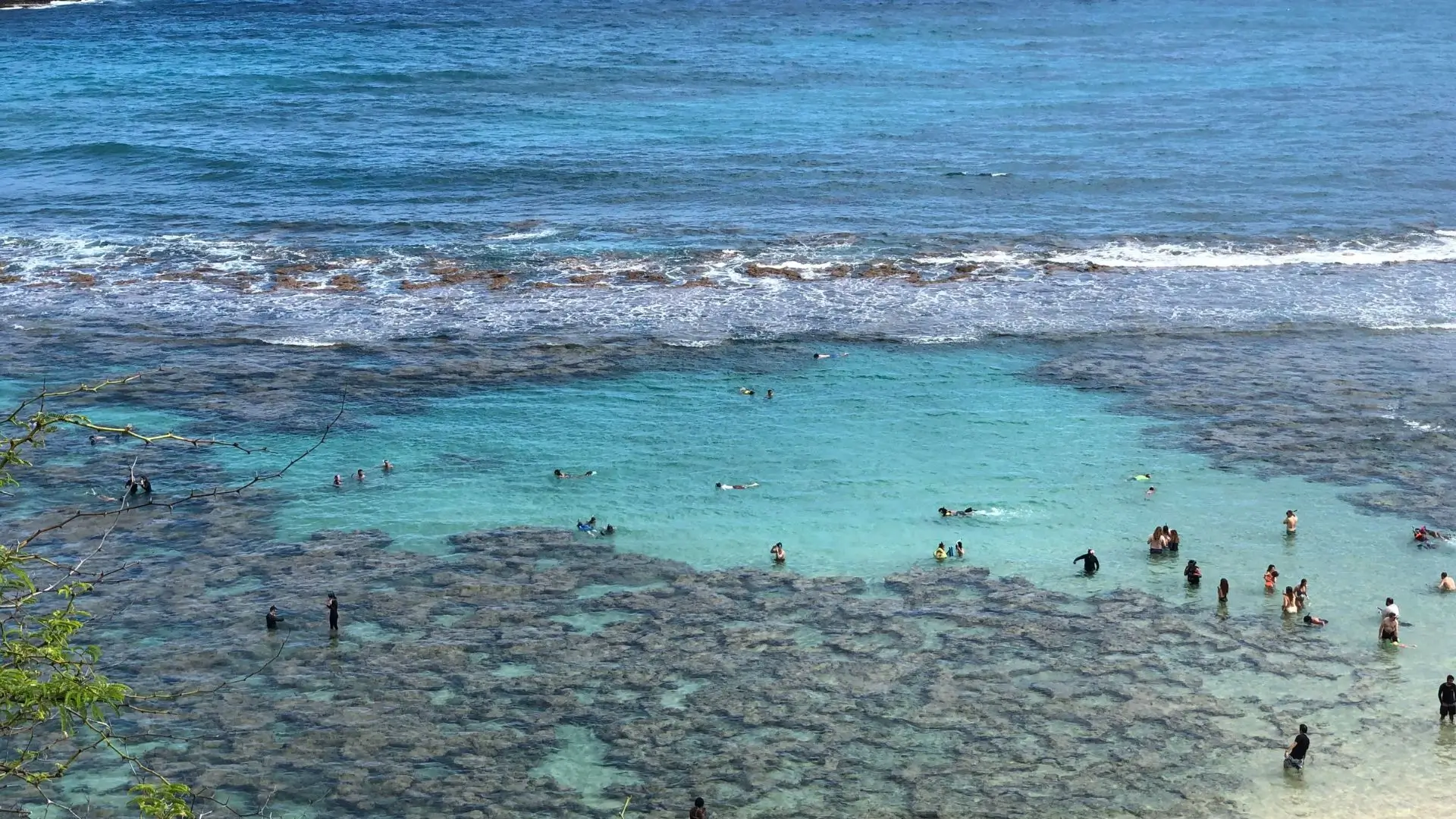
The bay sits inside an old volcanic crater, so the reef is shielded from big ocean swells most of the year. That’s rare in Hawaii, where a lot of the best reefs are out past rough surf that scares off beginners and families with young kids. Inside Hanauma Bay, the water near the shore is often only two to four feet deep, calm enough that you can stand up, catch your breath, and try again if your mask fogs up.
When I finally got in the water that morning, I saw parrotfish, a moray eel tucked into a coral shelf, and a green sea turtle resting near the reef edge, all within the first twenty minutes. That kind of easy access to marine life is exactly why Hanauma Bay keeps its reputation as the best snorkeling spot in Oahu, even with all the extra planning it now takes to get in.
The tradeoff is real, though. You’ll deal with a strict reservation system, a daily visitor cap, and a fee. If you want a relaxed, walk-up beach day with zero planning, Hanauma Bay is not that. But if you want the best chance at seeing coral and fish up close on your first try, it’s still worth the extra steps, and it’s one of the best family-friendly beaches on the island for that exact reason.
Can You Still Snorkel in Hanauma Bay?
Yes, Hanauma Bay is open and snorkeling is fully allowed in 2026. Some travelers ask this because the bay has closed temporarily in the past for reef recovery, storm damage, or maintenance, and older blog posts sometimes leave outdated closure notices online. As of now, the preserve is open five days a week to visitors who book a reservation in advance.
Here’s what changed over the years that makes people ask this question:
- The bay closed for over a year in 2020 during statewide shutdowns, and some old articles never got updated.
- Hanauma Bay is closed every Monday and Tuesday on a permanent basis, not as an emergency closure. This gives the reef two full days of rest each week.
- It also closes on Christmas Day and New Year’s Day.
- After heavy surf or water quality advisories, the preserve can close for a single day with little notice.
Before you lock in travel plans, it’s smart to check the official Hanauma Bay Nature Preserve reservation page the same week you’re traveling, just to confirm there’s no unexpected closure. But under normal conditions, yes, you can absolutely still snorkel here.
Hanauma Bay Reservations: How to Book in 2026
This is the part that trips up almost every first-time visitor, so pay close attention here.
The reservation window is only two days. Hanauma Bay reservations open exactly 48 hours before your visit date, at 7:00 a.m. Hawaii Standard Time (HST). So if you want to visit on a Friday, you need to book on Wednesday at 7 a.m. Hawaii time, not the week before and not the night before.
Slots disappear fast. On my own booking attempt, I logged in at 6:58 a.m., refreshed at exactly 7:00, and had my confirmation by 7:02. When I checked back out of curiosity a few minutes later, the entire day was sold out. Popular dates, especially weekends and school holidays, can sell out in under ten minutes.
Hawaii doesn’t observe daylight saving time. If you’re booking from the mainland U.S. or overseas, double-check the time difference for your specific dates, because it shifts depending on the season where you live.
Here’s the step-by-step process:
- Go to the official City and County of Honolulu Parks and Recreation reservation page for Hanauma Bay (search “Hanauma Bay reservation Honolulu Parks and Recreation” to find the current link, since URLs occasionally change).
- Log in a few minutes early and have your payment details ready.
- At exactly 7:00 a.m. HST, two days before your visit, refresh the page and select your date and preferred time slot.
- Choose your party size. Reservations are technically for a mandatory nine-minute conservation video, not a physical seat on the beach, but you can’t enter without watching it.
- Pay online, screenshot or save your confirmation, and bring a valid photo ID that matches the booking name.
If you miss the reservation window, you have backup options. A small number of walk-in tickets sometimes open at the gate, but these are limited and not guaranteed. A more reliable backup is booking a guided tour that includes a pre-secured entrance slot, since tour operators reserve blocks of tickets in advance. This is also the easier route for families or nervous swimmers who want help getting oriented once inside.
Hanauma Bay Tickets and Prices (2026)
Here’s exactly what you’ll pay:
- Non-Hawaii residents (ages 13+): $25 per person, plus an online service fee of about 2.35%
- Children 12 and under: Free
- Hawaii residents with valid state ID: Free
- Active-duty U.S. military and dependents with valid ID: Free
- Snorkel gear rental (mask, snorkel, fins): About $25 at the rental booth near the bottom of the hill
- Life vests: Available for rent for visitors who want extra buoyancy
Parking is a separate cost from your entrance ticket (more on that below). One thing worth noting: your reservation confirms your entry time slot, not a parking space. Those are handled completely separately, on a first-come, first-served basis.
Hanauma Bay Parking: What to Expect
Parking is where a lot of well-prepared visitors still get caught off guard. Even with a confirmed reservation, the parking lot fills up fast, and a booking does not guarantee you a spot.
- Parking costs $3 for non-residents and $1 for Hawaii residents (kamaaina), paid at the entrance booth.
- The lot regularly fills by mid-morning, sometimes as early as 8:00 a.m. on busy days.
- If the lot is full, cars are turned away at the entrance, even if you have a valid reservation for that time slot.
- Arriving right at opening time, around 6:45 a.m., is the safest way to guarantee parking.
- If parking is full or you’d rather skip the stress, a Waikiki hotel pickup or transportation package is a solid alternative. Several tour operators run shuttle service directly from Waikiki, which also solves the parking problem entirely.
My personal tip after doing this myself: treat the parking lot like it has its own reservation system, even though it doesn’t. Arrive at opening time or plan on a shuttle. For more tricks like this, check our full Oahu parking tips guide, which covers every busy lot on the island, not just this one.
What Is the Best Time to Snorkel at Hanauma Bay?
Early morning, ideally right when the gates open. Here’s why that window beats every other time of day.
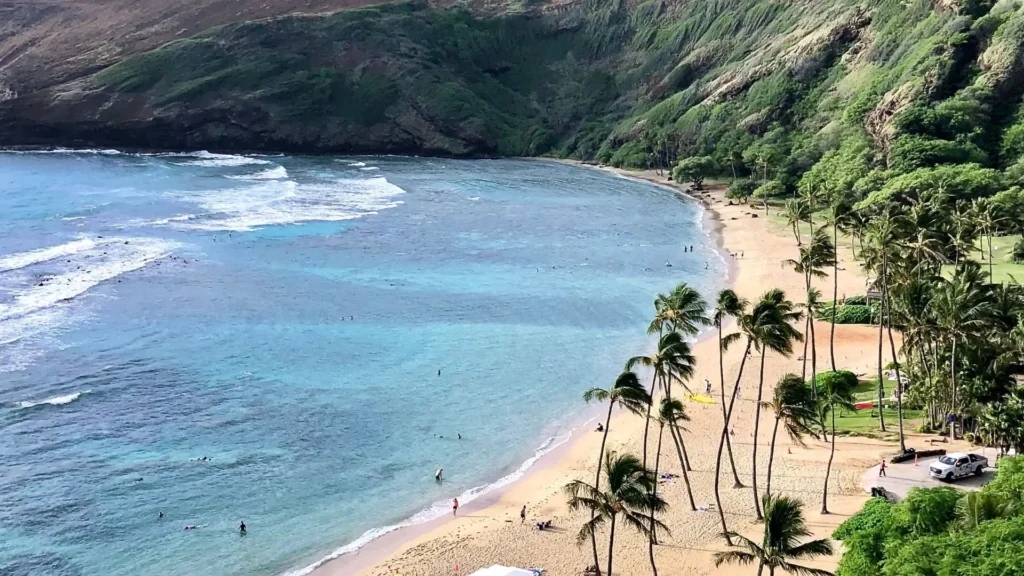
Water clarity drops as the day goes on. More swimmers means more sand gets kicked up from the bottom, and visibility gets cloudier by early afternoon. When I snorkeled at 7:30 a.m., the water was noticeably clearer than when I came back up to the surface around 11 a.m.
Mornings are calmer. Wind tends to pick up later in the day on this part of Oahu’s coast, and calm water makes it far easier to see fish and avoid getting knocked into the reef.
Fish are more active early. Many snorkelers report seeing more fish activity in the first couple of hours after sunrise, before the water fills with people.
Tide matters too. Low tide, often mid-morning, exposes more of the shallow reef and can make navigating the inner bay easier for beginners. High tide gives you more water above the reef, which some experienced snorkelers prefer because it reduces the risk of scraping coral.
Season matters less than time of day. Spring and early summer tend to bring the calmest seas overall, but winter (December through February) can bring bigger swells and rougher water, along with a chance to spot humpback whales offshore. Whatever season you visit, aim for the same window: sunrise to about 10 a.m.
Hours to know: Hanauma Bay opens at 6:45 a.m. and closes at 4:00 p.m., but the last entry allowed is 1:30 p.m. The preserve is closed every Monday and Tuesday, plus Christmas Day and New Year’s Day.
If crowds are your main worry, it’s worth reading our guide to the least crowded beaches in Oahu for quieter backup options on the days Hanauma Bay feels packed.
What to Bring to Hanauma Bay
- Reef-safe sunscreen (regular sunscreen is restricted here because of the marine preserve’s conservation rules)
- Swimsuit and a towel
- Your own mask and snorkel if you have one, since a good fit matters more than people expect
- Cash or a card for parking and rentals (rental booths typically take credit or debit cards)
- A refillable water bottle
- A light jacket if you’re arriving before sunrise, since mornings can be cool
- Water shoes if you plan to explore the rocky edges
There’s a tram available for a small fee that takes visitors down the steep hill to the beach, which is worth considering if you’re traveling with young kids, older family members, or heavy gear. Otherwise, it’s about a ten-minute walk downhill from the visitor center to the sand.
Bonus: The Hanauma Bay Ridge Trail
If you have extra time, the Hanauma Bay Ridge Trail is one of the most underrated things to do at this Oahu Hawaii beach, and most snorkeling guides don’t mention it at all.
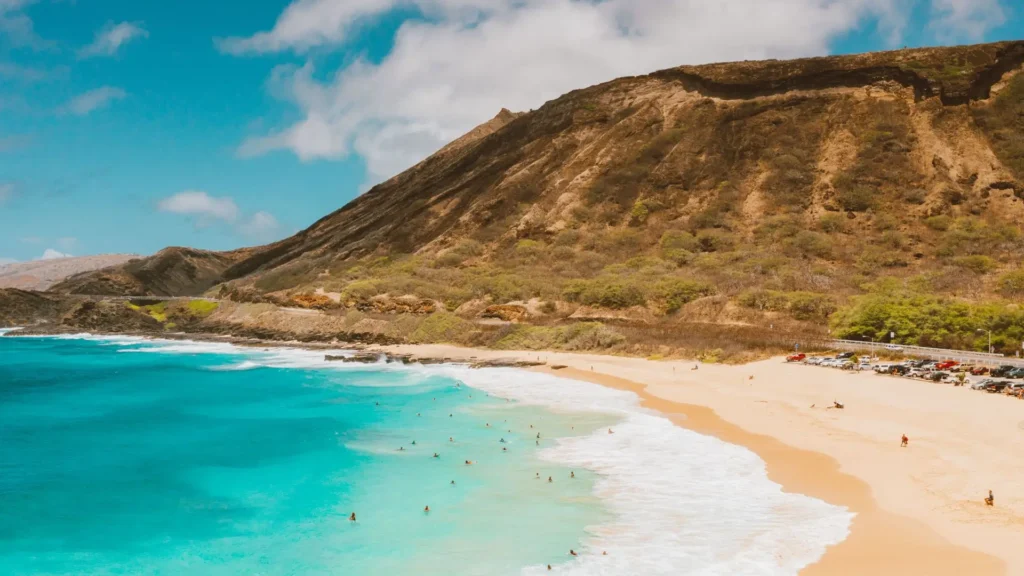
This trail runs along the ridge above the bay, giving you a wide, sweeping view of the crater, the reef below, and Koko Head in the background. It’s mostly paved, with a gentle incline for the first stretch, making it manageable for families and casual hikers. If you continue further, the trail gets steeper and less maintained, eventually opening up to views of Diamond Head and the Waikiki skyline in the distance.
Quick facts:
- Distance: About 1.5 miles round trip for the paved out-and-back version, or up to 3 miles if you add the full ridge loop
- Difficulty: Easy to moderate
- Best time: Sunrise or sunset, both for cooler temperatures and better light for photos
- Access: You can park in the Hanauma Bay lot (paying the standard parking fee) or find a spot along Kalanianaole Highway near the trailhead
Winter visitors get an extra bonus here: this ridge is a solid spot to watch for humpback whales passing through the channel below. Check our Oahu whale watching season guide to time your visit right. If you want a steeper challenge nearby, the Koko Head Trail sits just across the road and is one of the toughest short hikes on Oahu.
Best Places to Snorkel in Oahu (If Hanauma Bay Is Sold Out)
If you can’t snag a Hanauma Bay reservation, Oahu still has excellent snorkeling. Here are the best backups, based on what regularly ranks among the best places to snorkel in Oahu, Hawaii:
Electric Beach (Kahe Point): Warm water discharge from a nearby power plant attracts sea turtles and tropical fish. It’s a strong pick for snorkeling on Oahu’s leeward coast, though currents can be stronger here, so it suits more confident swimmers.
Shark’s Cove (North Shore): Calm and excellent for snorkeling in summer, but dangerous in winter when big surf rolls in. Check conditions before you go.
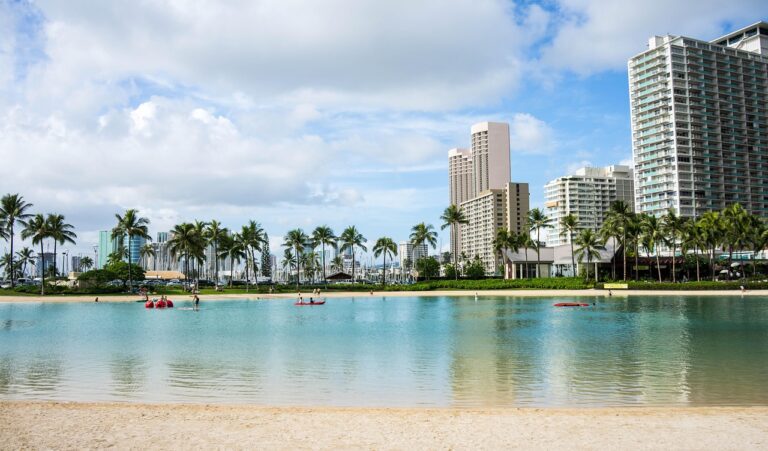
Maunalua Bay Beach Park, Honolulu, HI: This is a solid alternative closer to town, especially popular for kayaking and stand-up paddleboarding combined with light snorkeling. It’s calmer than open-ocean spots and easier to access without a reservation.
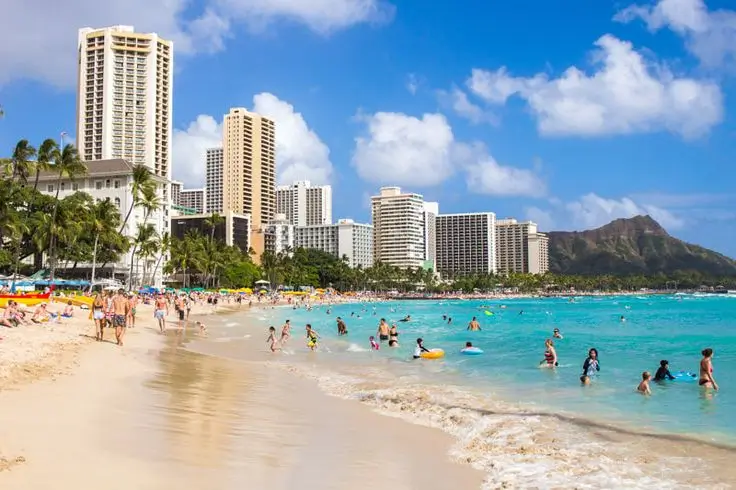
Snorkeling in Waikiki, Hawaii: Waikiki isn’t known for dramatic reefs, but there are a few snorkel-friendly patches near Kuhio Beach and the breakwaters, especially convenient if you’re staying nearby and don’t want to drive. Several waikiki snorkel companies also run boat trips out to better reef spots offshore, which is a good option if you want guided snorkeling in Hawaii without renting a car.
Guided Hawaii snorkeling tours on Oahu: If you’d rather skip the planning entirely, a guided boat tour can take you to spots like the Turtle Canyon snorkel tour or the outer reefs near Waikiki, often with gear, instruction, and photos included.
Nervous swimmers and non-swimmers: If shallow, gentle water matters more to you than a big reef, our list of the best calm beaches in Oahu for non-swimmers is worth a look before you commit to Hanauma Bay’s crowds.
One note on names: if you searched for “Hanamaulu Beach,” that’s actually located on the island of Kauai, not Oahu, so it’s a separate destination from everything covered in this guide. Don’t mix up your island when booking flights or rental cars.
Marine Life You’ll See at Hanauma Bay
Part of what makes Hanauma Bay such a highlight of Hawaii nature is the sheer variety of marine life packed into one small, protected bay. On a typical morning, you can expect to see:
- Yellow tang and other reef fish in bright, easy-to-spot colors
- Parrotfish grazing on the coral
- Moray eels tucked into rock crevices
- Green sea turtles (honu), especially near the outer reef
- Sea urchins in the shallows, which you should avoid stepping on
- Occasional spotted eagle rays in deeper water
Because Hanauma Bay has been a protected marine life conservation district since 1967, the reef has had decades to recover and stay healthier than many unprotected coastal areas. That protection is exactly why the visitor cap and reservation system exist, even though it adds friction for tourists.
Safety Tips for Snorkeling at Hanauma Bay
The preserve itself is upfront that snorkeling here carries real risk, especially for inexperienced swimmers. A few things to keep in mind:
- Watch the mandatory orientation video carefully. It covers current safety information specific to that day.
- Stay in the inner reef area if you’re a beginner. The outer reef has stronger currents and is meant for more experienced snorkelers.
- Never touch or stand on coral. It’s fragile, slow-growing, and protected by law here.
- Watch for rip currents near the reef edges, especially during high surf advisories.
- Keep a respectful distance from turtles and other wildlife. Getting too close disturbs them and can result in fines.
- Reapply reef-safe sunscreen, and reapply again if you’re in the water for more than an hour.
Final Thoughts
Hanauma Bay earns its reputation as one of the best snorkeling spots in Oahu, and honestly, in all of Hawaii. The calm, protected water makes it an easy win for beginners, families, and anyone who wants to see coral and tropical fish without dealing with rough open-ocean conditions. The catch is that you have to plan around the reservation system, the parking limits, and the reduced hours.
Set your alarm, book the moment your two-day window opens, and get there early. Do that, and you’ll get the same clear-water, fish-everywhere morning I did, minus the guesswork.
Frequently Asked Questions
Yes, non-Hawaii residents need a reservation to enter. Reservations open two days ahead at 7 a.m. Hawaii Standard Time and often sell out within minutes.
Non-residents ages 13 and up pay $25 per person plus a small online service fee. Kids 12 and under, Hawaii residents, and active-duty military enter free.
It’s open Wednesday through Sunday, closed Monday and Tuesday, and also closed on Christmas Day and New Year’s Day.
Aim to arrive right at the 6:45 a.m. opening. This gives you the clearest water, the fewest crowds, and the best shot at finding parking.
Yes, and it’s often more comfortable than rental gear, especially the mask. Rentals are available on-site for about $25 if you don’t have your own.