Nuʻuanu Pali Lookout Oahu Guide: Hours, Parking, History and How to Get There

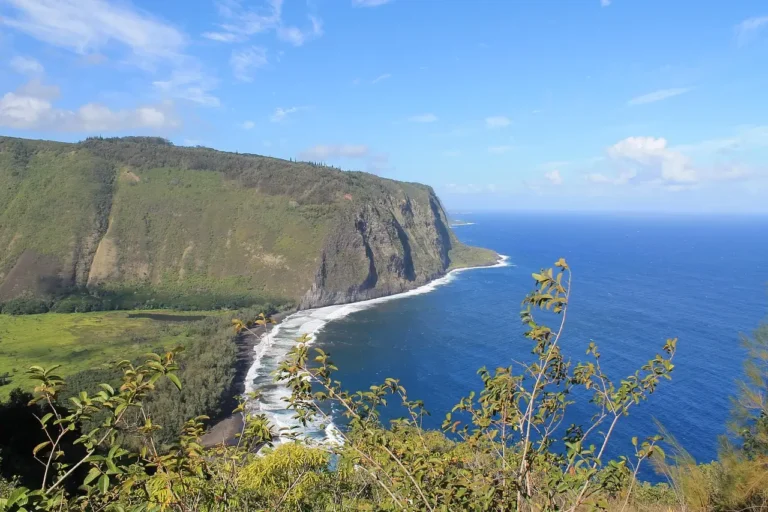
Nuʻuanu Pali Lookout is one of those places in Hawaii that makes people stop talking and just stare. Located high in the Koolau Mountains, this famous viewpoint connects Oahu’s natural beauty with deep Hawaiian history. Travelers visit pali lookout oahu for its powerful winds, dramatic cliffs, and sweeping views of the Windward Coast. It is not just a scenic stop—it is a place filled with meaning, stories, and unforgettable moments.
This guide explains everything you need to know about nuuanu pali lookout oahu, including history, legends, directions, parking, hours, safety tips, hiking options, and photography advice. All information is factual, carefully written, and designed to help real visitors plan a better trip.
Where Is Nuʻuanu Pali Lookout Located?
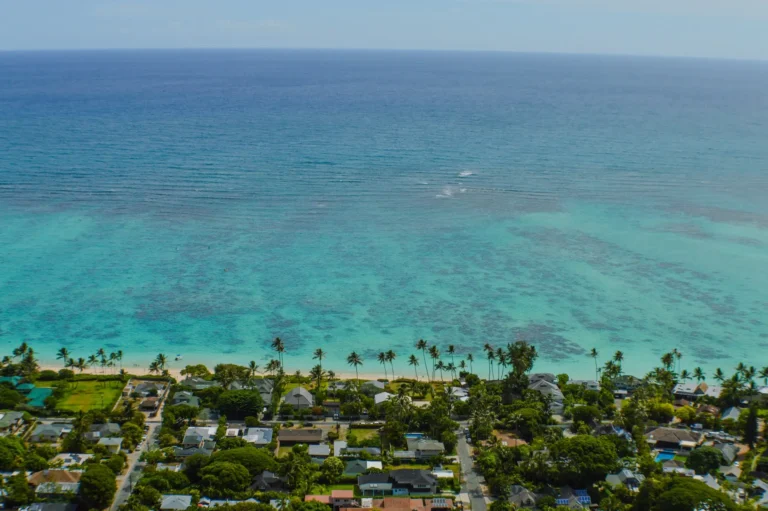
Many travelers ask, Where is Pali island? The answer is simple. Pali is not a separate island. It is a steep mountain pass located on Oahu. The lookout sits between Honolulu and the Windward side of the island, overlooking towns like Kaneohe and Kailua.
Because of its location, oahu pali lookout acts as a natural gateway between two very different sides of the island. One side feels urban and busy, while the other feels green, calm, and open. This contrast makes the lookout even more special.
What Is Pali Famous For?
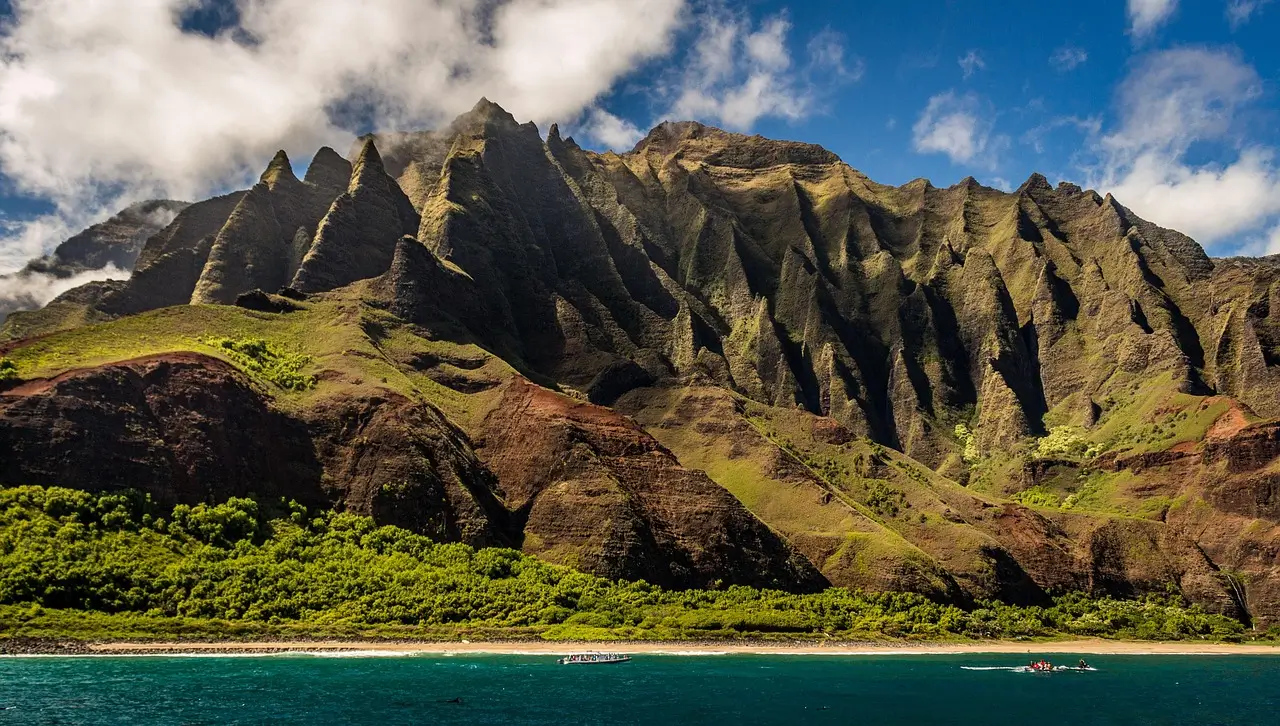
People often wonder, What is Pali famous for? The lookout is known for three main reasons: breathtaking views, strong winds, and historical importance. From the viewing platform visitors can see miles of coastline, mountains and ocean stretching far into the distance.
The winds at pali lookout oahu are no joke. Trade winds funnel through the mountain gap and can be strong enough to make walking feel challenging. This natural force adds excitement to the visit, but it also reminds visitors to stay alert and safe.
Pali Lookout History and the Famous Battle
The pali lookout history is one of the most important chapters in Hawaiian culture. In 1795, King Kamehameha I fought the historic pali lookout battle, also known as the Battle of Nuʻuanu. This battle played a major role in uniting the Hawaiian Islands under one ruler.
During the conflict, warriors were forced over the steep cliffs below the lookout. Today, the area stands as a place of remembrance and respect. Visiting nuuanu pali lookout oahu is not just about enjoying the view. It is about understanding the land and its past.
Pali Highway Legends and Urban Stories
The area around the lookout is also known for the pali highway legend and pali highway urban legend. One of the most talked-about stories says that spirits protect the land and may cause cars to stop if travelers show disrespect, especially on the old Pali Highway at night.

These stories are part of local folklore and cultural belief. While not everyone believes them, they reflect how deeply Hawaiians respect sacred places. Hearing these legends adds mystery and reminds visitors to treat the site with care.
Pali Lookout Hours and Entry Information
Many visitors ask, is pali lookout open every day. In general, yes. The lookout is open daily during daylight hours, although times may change due to weather or maintenance.
The official pali lookout hours usually start in the morning and end in the early evening. A small parking fee applies to non-residents, and this helps maintain the site. Checking official Hawaii State Parks updates before visiting is always a smart idea.
Parking for Nuʻuanu Pali Lookout Point
Parking for nu’uanu pali lookout point is available in a designated lot located directly next to the viewpoint. The lot is convenient, but spaces are limited, especially during peak tourist hours.

Most visitors stay for a short time, so parking usually opens up quickly. Parking along the road is unsafe and not allowed, so it is best to wait patiently for a legal spot.
How Do I Get to the Pali Lookout?
A common question is, How do I get to the Pali Lookout? The easiest way is by car. From Waikiki or downtown Honolulu, drive toward Pali Highway and follow the signs leading to the lookout.
These pali lookout directions are simple and clearly marked. The drive usually takes 15 to 20 minutes and offers scenic mountain views along the way. Public transportation is possible but less convenient, as buses do not stop directly at the lookout.
What to Expect When You Arrive
When you arrive at oahu pali lookout, the first thing you will notice is the wind. It can be strong enough to push against you, so holding onto hats, phones, and loose items is important.
The viewing area is paved and protected by railings. As long as visitors stay within designated areas and follow safety signs, the experience is safe and enjoyable. The atmosphere feels dramatic but welcoming.
Nuʻuanu Pali Lookout Photos and Photography Tips
Many visitors come specifically for nu uanu pali lookout photos. The lookout offers excellent photo opportunities, especially in the morning when skies are clearer.
Wind can affect camera stability, so using a firm grip or faster shutter speed helps. Clouds often move quickly across the landscape, creating unique lighting that makes photos stand out. Even foggy days can produce stunning, moody images.
Pali Lookout Hike and Nearby Trails
Travelers looking for adventure often ask about a pali lookout hike. While the main lookout requires no hiking, nearby trails offer rewarding experiences for prepared visitors.
Popular routes like the Pali Puka Trail and Old Pali Road Trail provide forest views and historical paths. A pali lookout trail can be muddy and slippery after rain, so proper shoes and weather checks are essential.
Safety Tips You Should Know
Safety at pali lookout oahu is extremely important. The winds can affect balance, especially near the edges. Visitors should always stay behind railings and supervise children closely.
Ignoring safety rules can turn a beautiful visit into a dangerous situation. Respecting the power of nature ensures a positive experience for everyone.
Accessibility and Facilities
The main viewing platform at nuuanu pali lookout oahu is accessible and suitable for most visitors. However, there are no restrooms or food vendors on-site.
Travelers should plan ahead and use facilities in nearby areas such as Honolulu or Kailua before visiting the lookout.
Best Time to Visit Pali Lookout
The best time to visit depends on your goals. Morning visits often offer clearer views, while afternoons can bring stronger winds and dramatic clouds.
Weather can change quickly in the mountains, so patience pays off. Even if visibility is low at first, waiting a few minutes can reveal stunning scenery.
Final Thoughts on Visiting Pali Lookout Oahu
Visiting pali lookout oahu is more than a sightseeing stop. It is a chance to experience Hawaii’s natural beauty, history, and culture in one powerful location. From its legendary past to its unforgettable views, nuuanu pali lookout oahu leaves a lasting impression.
If you want a place that feels authentic, meaningful, and unforgettable, this lookout deserves a place on your Oahu itinerary.
Trusted Sources Used
- Hawaii State Parks
- Bishop Museum (Hawaiian history)
- University of Hawaii cultural archives
- Local tourism and conservation authorities
These sources help ensure all information is factual, respectful and reliable.
Nuʻuanu Pali is located on the island of Oahu, between Honolulu and the Windward Coast. It sits in the Koolau Mountains and overlooks towns like Kaneohe and Kailua.
The Pali Lookout is significant for its natural beauty and historical importance. It offers panoramic views of Oahu’s Windward side and marks the site of a major battle that helped unify the Hawaiian Islands.
In 1795, the Battle of Nuʻuanu took place near the Pali Lookout. King Kamehameha I defeated opposing forces, and many warriors were forced over the cliffs, leading to the unification of Hawaii under one ruler.
Nuʻuanu Valley is often linked to Hawaiian legends and stories about ancestral spirits. While there is no scientific evidence of hauntings, these stories are part of local folklore and cultural traditions.
Nuʻuanu has a long history as a sacred valley in Hawaiian culture. It was an important travel route, farming area, and the site of key historical events, including the Battle of Nuʻuanu, which shaped Hawaii’s future.