Queen Emma Summer Palace: A Real Look Inside Hawaii’s Royal Home

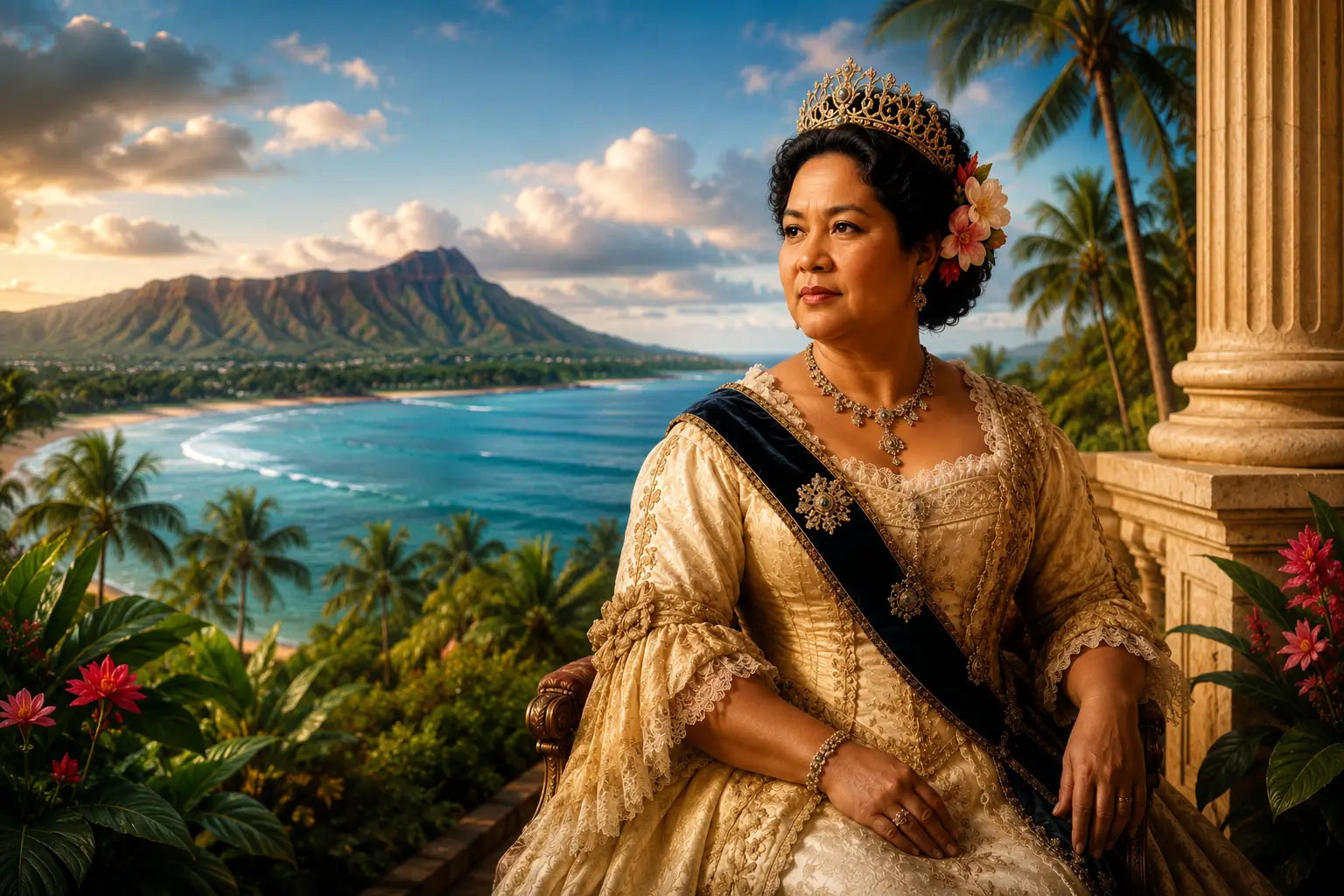
Most people picture Hawaii as beaches and sunsets. Fair enough. But tucked into a quiet, cool valley just outside Honolulu sits a small white house with a much bigger story. It’s called Hānaiakamalama, though almost everyone knows it as the Queen Emma Summer Palace.
This isn’t a palace in the “guarded by knights” sense. It’s more personal than that. It’s where a real queen escaped the heat, raised her son, and hosted her closest friends. And it’s still standing today because a small group of women refused to let it get bulldozed for a baseball field. Yes, really.
This guide covers the palace itself, Queen Emma’s life, the Daughters of Hawaii who saved it, and its sister site on the Big Island, Hulihe’e Palace in Kailua-Kona.
1. What Is the Queen Emma Summer Palace? (Hānaiakamalama Explained)
The Queen Emma Summer Palace sits in Nu’uanu Valley tour on Oahu, about a five- to ten-minute drive from downtown Honolulu. Its Hawaiian name, Hānaiakamalama, refers to the Southern Cross constellation. The home was built around 1848 and originally belonged to Queen Emma’s uncle, John Young II.
Queen Emma inherited the house and used it from 1857 to 1885 as a retreat from the formality of court life in Honolulu. Her husband, King Kamehameha IV, and their young son, Prince Albert, spent time there too. The building earned a spot on the National Register of Historic Places in 1972.
Architecturally, it’s a straightforward New England-style home with a colonnaded front lanai, which is a fancy way of saying it has a shaded porch held up by columns. The frame was actually built in Boston and shipped to Hawaii, which sounds like an ambitious IKEA order for the 1800s.
Queen Emma Summer Palace, Oahu: Quick Facts
- Location: Nu’uanu Valley, Honolulu, Oahu
- Built: Around 1848
- Hawaiian name: Hānaiakamalama (“the Southern Cross”)
- Historic status: National Register of Historic Places, listed 1972
- Managed by: Daughters of Hawaii, a nonprofit founded in 1903
Today, the palace operates as a house museum. You walk through the same rooms Queen Emma once lived in, and the furniture, china, and portraits inside are largely original.
2. Who Was Queen Emma of Hawaii?
Queen Emma of Hawaii was born on January 2, 1836, in Honolulu. Her father was High Chief George Naea, and her mother was High Chiefess Fanny Kekelaokalani Young. Following Hawaiian tradition, she was raised by her aunt and uncle, Grace Kamaikui Young Rooke and Dr. Thomas Rooke.
She married King Kamehameha IV in 1856 and became queen consort of the Kingdom of Hawaii. She wasn’t just a figurehead standing next to the throne. Queen Emma co-founded what is now known as The Queen’s Hospital, still operating today, to provide healthcare for Native Hawaiians at a time when disease was devastating the islands.
She was also famous for her horsemanship. A 19th-century Hawaiian song, “Wahine Holo Lio,” literally “horseback riding lady,” was written in her honor. So if you ever needed proof that queens can be tough and practical at the same time, there it is.
After losing her young son and then her husband, Queen Emma later ran for the Hawaiian throne herself in 1874. She lost that election to King Kalakaua, but her legacy as a humanitarian and cultural figure only grew stronger afterward.
Queen Emma and the Kamehameha Dynasty
Queen Emma married into the House of Kamehameha through Kamehameha IV, making her part of one of the most influential royal lines in Hawaiian history. While she wasn’t born a Kamehameha, her marriage tied her permanently to that dynasty’s legacy, and her summer home became one of the few surviving physical links to that era of Hawaiian royalty.
Queen Emma’s Broader Legacy
Queen Emma’s influence didn’t stop at the palace doors. The original had the baptism happening after the England trip, but she was actually baptized in 1862, three years before she met Queen Victoria in 1865. I put the events back in the correct order and tightened the last line while I was at it.
After her son Prince Albert died at just four years old, and her husband died not long after, she was given the name Kaleleonalani, meaning “flight of the heavenly ones.” It’s a heavy title, but it explains why so much of her legacy centers on care for others. She turned personal loss into public service, and the Queen’s Hospital she helped found is still treating patients in Honolulu today.
3. Inside Hānaiakamalama: Rooms, Furniture, and Royal Gifts
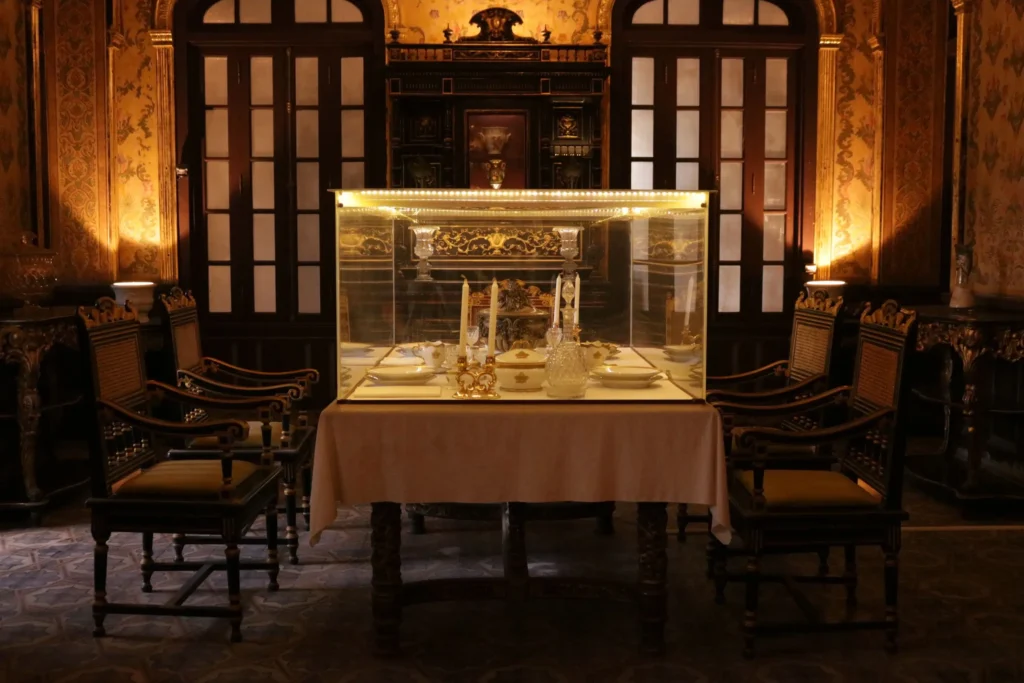
The palace has several preserved rooms, each packed with items that belonged to the royal family. One standout is the Edinburgh Room, which holds a cabinet of china gifted by Queen Victoria of England to the Hawaiian royals. It’s a small detail, but it says a lot. Hawaii’s monarchy wasn’t isolated. It had real diplomatic relationships with major world powers.
Visitors will also find koa wood furniture, feather work, quilts, and family portraits throughout the home. None of it feels staged for tourists. It genuinely looks like a family home that people left for the day, minus the family.
Outside, the grounds cover a little over two acres, filled with native Hawaiian plants and shaded lawns. It’s peaceful, and honestly a little underrated compared to some of Oahu’s louder attractions.
4. How the Daughters of Hawaii Saved This Palace in Hawaii
Here’s where the story gets interesting. In 1903, seven women born in the Kingdom of Hawaii before annexation founded an organization called the Daughters of Hawaii. Their parents had been American missionaries, but these Hawaii women had grown up as citizens of the Hawaiian Kingdom, and they saw Hawaiian culture slipping away as the islands changed hands politically.
So they formed a nonprofit with one clear mission: preserve the memory, language, and historic sites of old Hawaii before it disappeared for good.
In 1915, that mission got put to the test. The Territorial Government planned to demolish Hānaiakamalama and build a baseball field on the land. The Daughters of Hawaii stepped in and secured the property instead. The government agreed to let them keep and maintain the home, on one condition: it had to stay open to the public as a museum.
Not exactly Hawaii sisters by blood, but close enough in spirit. These women weren’t professional preservationists. They were determined citizens who refused to watch their history get paved over, quite literally.
More than a century later, the Daughters of Hawaii still run the palace, along with Hulihe’e Palace on the Big Island. Their organization now has over a thousand members, all descended from someone who lived in Hawaii before 1880.
5. A Memorial Palace to Hawaii’s Royal Past
It’s fair to call Queen Emma Summer Palace a memorial palace, not in the sense of a tomb, but as a living tribute. It’s one of only three surviving royal residences from the Hawaiian Kingdom, alongside Iolani Palace and Hulihe’e Palace. Once you know that, the small size of the building starts to feel less modest and more precious. There are not many of these left.
Is It a Real Hawaii Castle?
Some visitors nickname it Hawaii’s castle, and it’s easy to see why. It’s old, royal, and full of history. Technically, though, it isn’t a castle. It has no fortress walls or moat. It’s a home, built for comfort rather than defense, which honestly makes it more interesting. This was where a queen actually lived, not just where a monarchy performed power.
6. Visiting Queen Emma Summer Palace in Honolulu, HI
If you’re planning a visit, here’s the practical stuff.
Queen Emma Summer Palace Honolulu HI: Location, Hours, and Tickets
The Queen Emma Summer Palace, Honolulu, HI, sits at 2913 Pali Highway. It’s an easy stop if you’re already driving the Pali Highway toward the windward side of Oahu. The museum typically opens daily, though hours can shift around holidays, so it’s worth checking the official Daughters of Hawaii website before you go. Admission fees are modest, especially compared to some of Oahu’s other paid attractions, and kama’aina and military discounts are usually available.
Because the home was built in the 1800s, there are stairs, and accessibility can be limited for visitors who have difficulty climbing them. The staff generally offer alternative arrangements if you call ahead.
Emma Tours and Guided Visits
You can explore the Queen Emma Summer Palace, Oahu, either on a self-guided walk or with a docent-led tour. The guided option, sometimes called a Mo’olelo tour (moʻolelo means “story” in Hawaiian), tends to be worth the extra time. Docents share details you won’t get from a plaque, like Queen Emma’s daily routines, her horseback rides through the valley, and the quieter, sadder parts of her story, including the loss of her son.
Ho’onanea and Other Special Events
The Daughters of Hawaii also host themed events at the palace throughout the year. One example is Ho’onanea, a hosted morning experience where guests dress in vintage muumuu, learn to make a lei, and tour the home before enjoying a picnic lunch on the grounds. It’s less “museum tour” and more “step into 1870s Hawaii for a few hours.” A fun way to experience the site if a standard walkthrough sounds a little dry.
7. Hulihe’e Palace in Kailua-Kona: Hawaii’s Other Royal Palace
While Queen Emma Summer Palace sits on Oahu, Hulihe’e Palace is over on the Big Island, right on Ali’i Drive in Kailua-Kona. It’s an easy source of confusion since both are managed by the Daughters of Hawaii and both connect to Hawaiian royalty, but they are two separate buildings in two separate towns.
Hulihe’e Palace Kailua-Kona History and Architecture
Hulihe’e Palace was built in 1838 by High Chief John Adams Kuakini, who served as governor of Hawaii Island during the Kingdom era. Unlike the wood frame of Hānaiakamalama, Hulihe’e Palace was constructed from lava rock, coral, and native koa and ohia timbers by foreign seamen working under Kuakini’s direction.
After Kuakini died in 1844, the home passed through several royal hands, including Princess Ruth Keelikolani, Bernice Pauahi Bishop, and eventually King Kalakaua, who purchased it in 1885. It became a favorite retreat for Hawaiian royalty for decades, including King Kalakaua and Queen Kapiolani, and even Queen Emma herself visited to care for Princess Ruth during her final illness in 1883.
By the 1920s, the palace had fallen into disrepair. The Daughters of Hawaii took it over and restored it, and it was officially added to the National Register of Historic Places in 1973.
Hulihe’e Palace Tickets and Visiting Hours in Kona
Hulihe’e Palace in Kailua-Kona is open to the public most days of the week, with both self-guided and guided tour options. The palace tickets are inexpensive, generally under ten dollars for adults, with reduced pricing for kids, seniors, and kama’aina. One thing to note if you’re driving: there’s no dedicated parking lot at the palace itself, but free public parking is available a short walk away.
Inside, you’ll find six rooms filled with Victorian-era furnishings, koa wood pieces, portraits, tapa cloth, and Hawaiian quilts. One highlight is Queen Emma’s Music Room, where she reportedly entertained guests during her visits to the palace in Kona.
8. Queen Emma Summer Palace vs Hulihe’e Palace: What’s the Difference
Since these two often get mixed up in searches, here’s a quick side by side.
| Queen Emma Summer Palace | Hulihe’e Palace | |
|---|---|---|
| Location | Nu’uanu Valley, Honolulu, Oahu | Ali’i Drive, Kailua-Kona, Hawaii Island |
| Built | Around 1848 | 1838 |
| Built by/for | Connected to Queen Emma’s family | High Chief John Adams Kuakini |
| Material | Wood frame, New England style | Lava rock, coral, koa and ohia timber |
| Primary royal residents | Queen Emma, King Kamehameha IV | King Kalakaua, Queen Kapiolani |
| NRHP listing year | 1972 | 1973 |
| Managed by | Daughters of Hawaii | Daughters of Hawaii |
If you’re island hopping, it’s genuinely worth seeing both. They tell different sides of the same royal story.
9. Queen Emma’s Name Around Hawaii
Queen Emma’s legacy shows up in more places than just these two palaces. Downtown Honolulu has a Queen Emma Street, named in her honor, near several sites tied to Hawaiian royal history. There’s also Queen Emma Ballet, a Honolulu dance studio founded in 1989. It’s worth noting that the ballet school isn’t part of the historic palace or the Daughters of Hawaii. It simply shares her name and is located near Queen Emma Street.
It’s a small example of how deep her name runs through the city, even outside the walls of the actual palace.
10. Planning Your Visit: A Few Practical Tips
A little planning goes a long way with these two sites, since they’re on different islands and run on their own schedules.
- Check the calendar first. Both palaces close for major holidays, and Hulihe’e Palace occasionally closes for private events or hula performances on select Sundays.
- Book guided tours ahead of time when you can. Docent-led tours at both locations often run on limited days of the week, so walking in and hoping for one isn’t always reliable.
- Wear comfortable shoes. Both palaces involve stairs and wood floors, and Hulihe’e Palace sits right along Kailua Bay, so a short walk from public parking is part of the visit.
- Bring cash or a card for the gift shop. Both museum shops support the Daughters of Hawaii directly, and proceeds go toward maintaining the buildings.
- Combine it with nearby history. If you’re visiting the palace in Kona, Mokuaikaua Church, also linked to Governor Kuakini, sits just up the road and pairs well with a Hulihe’e Palace visit.
None of this requires a full day of planning. These are the kind of stops that fit naturally into a bigger Oahu or Big Island itinerary, without needing a reservation made months in advance.
11. Why These Palaces in Hawaii Still Matter
It would have been easy for both of these buildings to disappear. One nearly became a baseball diamond. The other sat empty and crumbling for a decade. Neither had guaranteed government protection until regular citizens, mostly volunteers, stepped up and fought to keep them standing.
That’s really the core of this story. Hawaii’s royal history isn’t preserved in some grand government archive. It survives because of nonprofits, descendants, and community members who decided these buildings mattered more than whatever else could have replaced them.
If you visit either palace, you’re not just looking at old furniture. You’re looking at what’s left of an entire kingdom, kept alive one guided tour at a time.
Final Thoughts
Queen Emma remains one of Hawaii’s most respected historical figures, remembered for her compassion, leadership, and lasting contributions to healthcare and education. Her dedication to improving the lives of the Hawaiian people continues to inspire visitors and historians alike.
Exploring her legacy offers a deeper understanding of Hawaii’s royal history, cultural heritage, and enduring spirit. Whether you’re interested in history, Hawaiian culture, or iconic landmarks connected to her life, Queen Emma’s story is a meaningful part of Hawaii’s rich past.
FAQs about Queen Emma Summer Palace
No. They are two separate historic homes on two different islands, though both are preserved by the Daughters of Hawaii.
It was built around 1848, making it well over 175 years old.
Yes, but you’ll need to plan for inter-island travel since one is on Oahu and the other is on Hawaii Island.
The Daughters of Hawaii, a nonprofit founded in 1903, manages both Queen Emma Summer Palace and Hulihe’e Palace.
Not exactly. Hulihe’e Palace was built by Governor John Adams Kuakini, but Queen Emma did visit and spend time there, including her Music Room, which is still on display.