Safe Neighborhoods in Honolulu for Tourists in 2026 (Honest, Local-Verified Guide)

There’s a feel-good version of this answer, and then there’s the one that truly helps you travel smarter. This guide gives you the second one.
Yes, Honolulu is safe for tourists. Completely safe and based on facts. The Hawaiian Tourism Authority named Honolulu the safest city in the world based on certain measures. The Honolulu Police Department’s data show that violent crime is rare in tourist areas.
But here’s what most travel blogs leave out:
Honolulu has a high vehicle theft rate. Every year, 1 in 216 registered cars gets stolen. Larceny (theft) makes up 68% of recorded crime on Oahu. Property crime is much higher than the national average. The robbery rate is almost double the U.S. average. About half of all robberies happen in public places.
The honest picture is this: As a tourist in Honolulu, you face a low risk of physical harm. You are much more likely to have something stolen. That completely alters the nature of your preparation. You do not need to be fearful; you need to be smart about your valuables.
This guide aims to give you the full picture. Experience one of the world’s most stunning cities. Avoid mistakes that can spoil your trip.
How Honolulu’s Crime Rate Compares to the U.S.
Honolulu ranks 4th safest large city in the United States a genuinely impressive distinction for a city of over 350,000 people with over 4 million tourist visits per year.

As a it has a crime rate of 3.3 per 1,000 residents, compared to a national average of 3.8. That 14% gap is important. Hawaii often ranks in the top 5 safest states in the U.S.
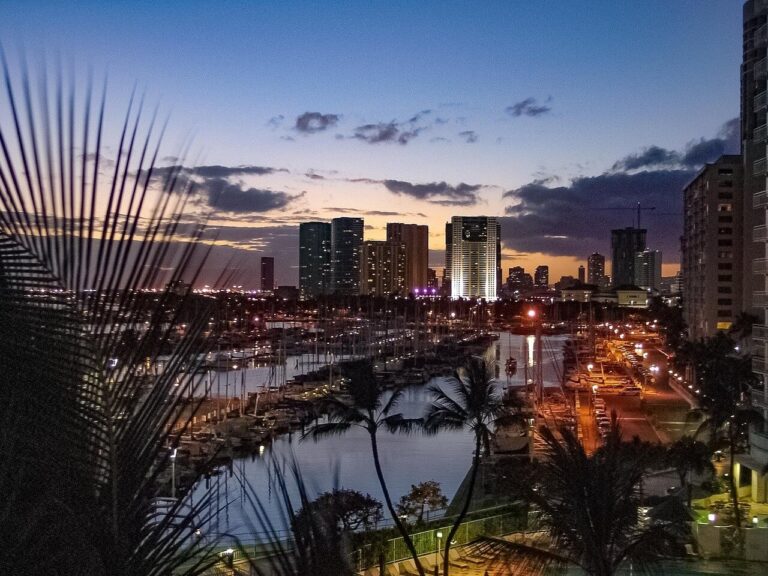
In tourist terms, this translates to real-world calm. Waikiki and key tourist spots have a strong police presence. They also see a lot of foot traffic. They also enjoy the city’s “Safe and Sound” program. This program is a joint law enforcement effort that covers the area from Ala Wai Harbor to Diamond Head.
The numbers to know:
- Violent crime rate: Significantly below national average
- Property crime rate: Above national median
- Larceny (theft): 68% of all crime on Oahu
- Car theft rate: Among the highest in the U.S.
- Most dangerous time window: 10 PM–3 AM in low-traffic areas
The 8 Safest Neighborhoods in Honolulu for Tourists
1. Waikiki — Best for First-Time Visitors
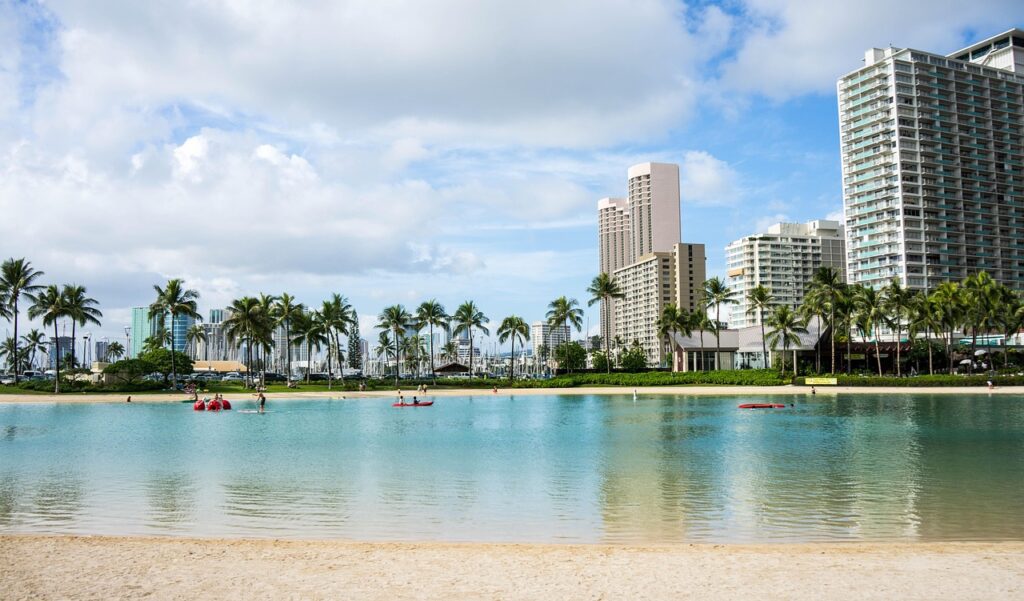
Waikiki is the center of tourism in Honolulu. For first-time visitors, it’s the best spot to stay. The police are everywhere, and the streets stay busy late into the night. Most traveler amenities—hotels, beaches, restaurants, shopping, and surfing lessons—are a short walk away.
What makes Waikiki feel safe is not the statistics. It’s the constant crowd. At 11 PM on a Tuesday, Kalakaua Avenue is still buzzing. That foot traffic creates a natural deterrent to most crime.
Kalakaua Avenue, the main beachfront strip, offers a consistent level of safety at night. Kuhio Avenue, one block north, has more petty crime. It’s best to avoid it after midnight.
What to watch for: Tourist-targeting scams are common here. “Free” lei greetings often ask for tips. You will see aggressive timeshare sales at concierge desks and unofficial kiosks for booking activities all around. Stick to your hotel concierge for tour bookings.
Best hotels: Royal Hawaiian, Hilton Hawaiian Village, Sheraton Waikiki
2. The Gold Coast — Best for Quiet Luxury Near the Beach
The Gold Coast lies between Waikiki and Diamond Head. It is one of Honolulu’s best-kept secrets and the safest spot for tourists on the island.
The Gold Coast is a calm, upscale area by the shore. It features luxury condos and vacation rentals. It’s a short walk from Waikiki, but it feels much calmer. There are fewer crowds and almost no tourist traps.
Travel Lemming calls this area “very safe,” like Kahala. Yet, most travel guides hardly mention it. The Gold Coast is a great choice for your vacation rental.
Best for: Couples, returning visitors, those who want beach proximity without Waikiki noise
3. Ala Moana Kakaako Best for Families and Shoppers
Ala Moana and the nearby Kakaako district sit west of Waikiki. They provide the perfect mix of beach access and city convenience. Waikiki and Ala Moana are the safest spots in Honolulu for families. The data backs this up.
Ala Moana Beach has calm waters. The barrier reef protects the area, which is great for kids. The Ala Moana Center is one of the biggest open-air malls in the U.S. It keeps the area lively and bustling throughout the day. Kakaako has rapidly transformed into a trendy area. It’s filled with vibrant murals, great farm-to-table restaurants, and unique shops.
Safety nuance: Ala Moana Park is perfectly safe during daylight hours. After dark, the park becomes one of the areas where Honolulu’s homeless population concentrates, and it’s best avoided. This is widely known among residents and doesn’t affect daytime visitors at all.
Best hotels: Ala Moana Honolulu by Mantra, Prince Waikiki, Hilton Vacation Club The Modern Honolulu
4. Kahala (Waialae–Kahala) — Best for Upscale, Private Stays
If Waikiki represents Honolulu’s Times Square, then Kahala serves as its Beverly Hills. Locals sometimes describe it exactly that way.
Kahala is a prestigious, quiet residential neighborhood about 10 minutes east of Waikiki. Honolulu boasts low crime rates. Its streets are well-kept and peaceful. The area draws long-term residents who have lived there for generations. Tourists here sense a much different vibe than in the main tourist areas.
The famous Kahala Hotel and Resort is right on the beach. It features a well-known dolphin lagoon. The beach itself is quieter than Waikiki by an order of size.
Who should stay here? Luxury travelers, honeymooning couples, and anyone seeking an authentic Hawaii experience. Not ideal for budget travelers or those who want to walk to Waikiki daily.
Local tip: Even Kahala’s main street, Kahala Avenue, feels completely different after dark it will remain quiet, residential, safe. This is genuinely one of the safest places to stay in Honolulu full stop.
5. Hawaii Kai — Best for Families and Outdoor Adventure
Hawaii Kai is consistently ranked among the safest areas on all of Oahu by crime data. Developed in the 1960s as the island’s first planned community, it offers a completely different side of Honolulu that’s spacious, residential and dramatically low-crime.
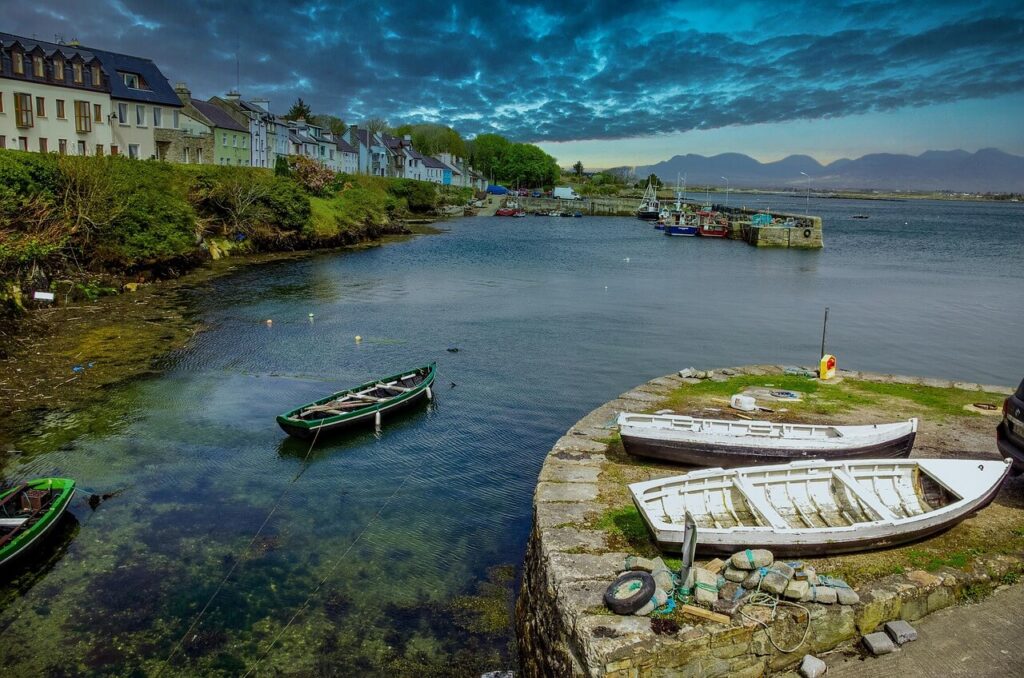
Hawaii Kai is a great base for tourists who love outdoor activities. You can snorkel at Hanauma Bay, hike Koko Crater, bodyboard at Sandy Beach, or kayak on Maunalua Bay. These are some of the best nature experiences on Oahu, and Hawaii Kai puts you right on their doorstep.
For families: Hawaii Kai is the top spot locals suggest for kids. It has great schools like Koko Head Elementary and Henry J. Kaiser High School. The homes are spacious, and the community feels strong. Crime is rare here. The neighborhood has all the ideal traits of a suburban area.
Distance from Waikiki: About 20–25 minutes by car. Not walkable to the Waikiki strip, so you’ll need a rental car.
Best nearby attractions: Hanauma Bay Nature Preserve, Koko Crater Trail, Sandy Beach, Makapuu Lighthouse Trail
6. Kaimuki — Best for Foodies and Local Culture
Kaimuki is the neighborhood that Honolulu locals are most proud to show visitors and the one most tourists completely skip.
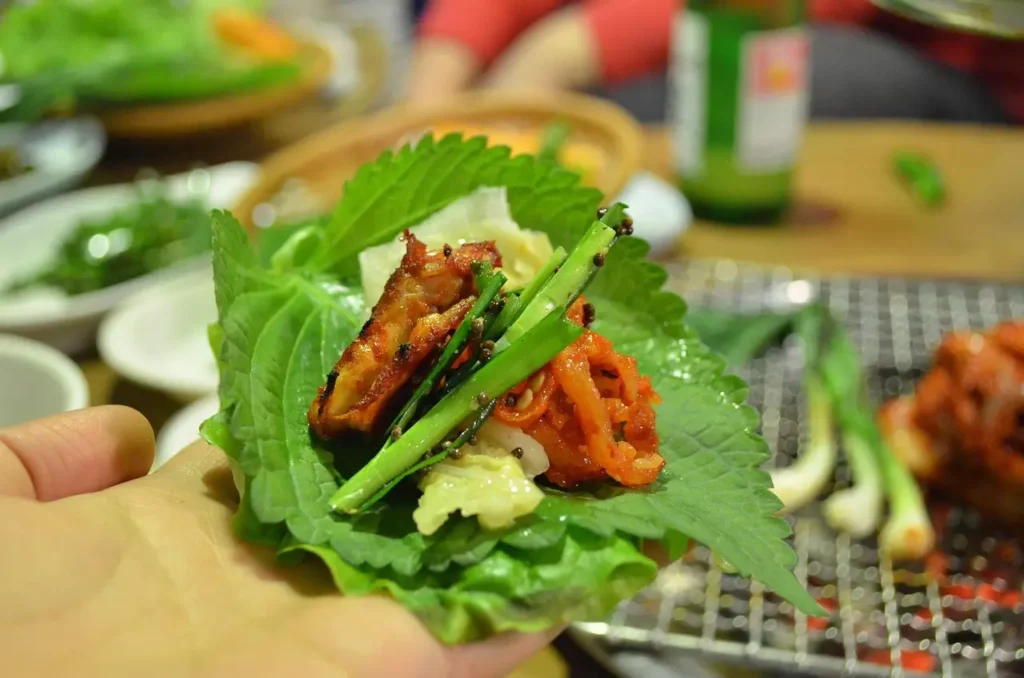
Kaimuki sits above Waikiki, east of Diamond Head. It’s a safe, walkable neighborhood. People know Waialae Avenue for its vibrant food scene. Consider farm-to-table restaurants, local diners, and unique boutiques. Don’t forget to check out the famous KCC Farmers Market at Kapiolani Community College on Saturday mornings!
Crime here is low, and the neighborhood has a real community feel. It’s often called a hipster neighborhood on Reddit. It has a mix of young professionals and local families.
Why most tourists miss it: It’s not beachfront and it doesn’t have big hotels. If you’re in Waikiki and plan day activities, set aside a night for dinner in Kaimuki.
Must-try experiences:
- Waialae Avenue restaurant strip
- KCC Farmers Market (Saturdays)
- Diamond Head Theatre
- Local boutique shopping
7. Manoa Valley — Best for Nature Lovers and Peace Seekers
Manoa is Honolulu’s lush green valley the rainforest side of the island that most visitors never reach.
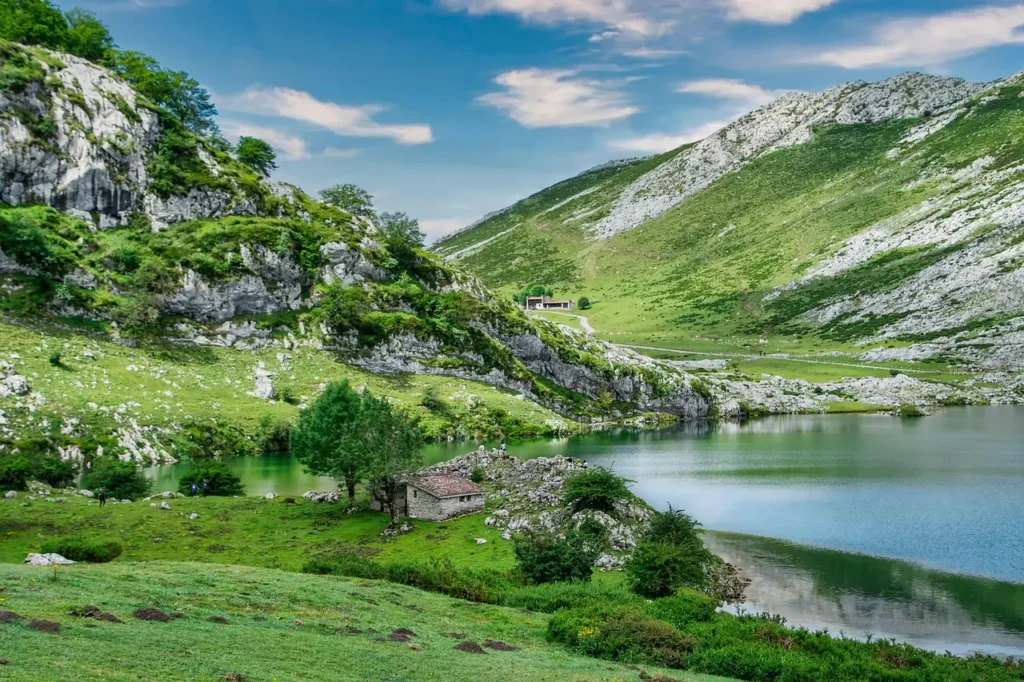
Manoa boasts low crime rates and a well-educated community. It’s next to the University of Hawaii at Manoa. This area has a unique Hawaiian vibe, setting it apart from touristy Honolulu. Real estate prices here are higher than in Waikiki. Median home values are close to $1 million. This shows the neighborhood offers a high quality of life.
Manoa Falls Trail is a stunning hike on the island. It’s a 1.6-mile round trip through a bamboo forest, ending at a 150-foot waterfall. Filmmakers shot scenes from Jurassic Park and Lost in this valley.
For tourists: Manoa is great for a day trip. It also works well as a base for nature lovers who don’t mind driving to the beach. Vacation rentals exist here but the tourist infrastructure is minimal compared to Waikiki.
Heads up: Manoa receives more rain than coastal Honolulu. The valley is wetter all year. Pack a light rain jacket if you’re hiking.
8. Diamond Head Kapahulu — Best for Active Travelers and Families
This neighborhood sits on the eastern edge of Waikiki. It has easy beach access and plenty of outdoor fun near the famous Diamond Head crater. It’s a top choice for tourists.
The Diamond Head–Kapahulu neighborhood is close to Waikiki. You can quickly reach Kapiolani Park, the Honolulu Zoo, the Waikiki Aquarium, and the iconic Diamond Head hike.
Aina Haina is another great neighborhood in Honolulu, just like Hawaii Kai. It’s a top choice for families because of its good schools and low crime rates.
Best for:
- Families
- First-timers seeking beach fun and outdoor activities.
- Anyone planning the Diamond Head hike in the early morning.
Best Activities Nearby:
- Hike Diamond Head State Monument (book ahead — nonresidents need reservations)
- Visit Kapiolani Park.
- Relax at Sans Souci Beach
- Explore Honolulu Zoo
- Check out Waikiki Aquarium
Neighborhoods Tourists Should Avoid and Why
This is the section most travel blogs either skip entirely or sugarcoat. Here’s the honest version.
Kalihi and Kalihi–Palama — Located northwest of downtown, Kalihi has 845 total crimes per 100,000 residents, with theft making up 70% of incidents. It’s one of the oldest neighborhoods in Honolulu and has authentic character, including excellent Filipino food — but locals themselves advise parking close and leaving before dark. There’s no practical reason for tourists to spend time here.
Waianae (Leeward Coast) — Waianae is spectacular in terms of scenery — including some of the most dramatic coastline on Oahu. It has a higher crime rate than the tourist side of the island. Some beach camping areas can attract crowds that may make solo visitors feel uneasy. This area isn’t popular with tourists. But, if you go, stay at the Ko Olina resort on the western edge. It’s a nice, well-kept spot. Avoid going further into Waianae.
Chinatown (at night) — Chinatown has changed a lot lately. It’s now a vibrant arts district with great restaurants and galleries. Daytime visits are fine and recommended. Chinatown, west of Nuuanu Avenue, sees more drug activity and homeless people at night. Tourists should avoid this area after sunset.
The Airport District has 193 burglaries per 100,000 residents. That’s almost double the state average. So, it’s the worst place to leave valuables in your rental car. You’ll pass through it on the way to and from the airport; don’t stop. Thieves here can recognize rental car stickers from a distance.
Wahiawa (Central Oahu) — This area has a higher crime rate and fewer tourist spots. The only exception is Dole Plantation. It’s safe during operating hours.
Stay safe as a tourist: stick to the established visitor zones east of downtown. Go west of downtown only for specific daytime activities. Have clear destinations in mind—avoid wandering.
Which Neighborhood Matches YOUR Trip? (Decision Guide)
Most travel articles tell you which neighborhoods are safe but don’t connect that to what you’re actually doing in Honolulu. Here’s how to match your trip to the right base:
If you’re doing Pearl Harbor and the Arizona Memorial → Stay in Ala Moana or Waikiki. Both give you easy access via H-1 or the bus without venturing into higher-crime west Honolulu neighborhoods.
If you’re mainly snorkeling and hiking (east side) → Base yourself in Hawaii Kai or Diamond Head–Kapahulu. You’ll wake up ten minutes from Hanauma Bay and Koko Crater instead of fighting traffic from Waikiki every morning.
If you’re a foodie doing local restaurants → Stay in or near Kaimuki. You’ll eat better for less money than anywhere in Waikiki.
If you’re on a honeymoon or anniversary trip → Kahala or the Gold Coast. Quiet, luxurious, safe, and a completely different energy from tourist-packed Waikiki.
If this is a family trip with young kids → Ala Moana or Hawaii Kai. Calm swimming waters, proximity to family activities, and the best community atmosphere on the island.
If it’s your first time in Honolulu → Waikiki, no question. The infrastructure, walkability, and constant activity make it the most forgiving place to figure out the island from.
Common Tourist Mistakes That Create Safety Problems
Honolulu does not create safety problems for tourists. Tourists create them for themselves. The same patterns show up again and again:
Leaving anything in a rental car. This is the #1 mistake. Honolulu has one of the highest vehicle theft rates in the country, and rental cars are targeted because thieves can spot them easily. Never leave bags, electronics, documents, or even a phone charger visible in your car. Not even for five minutes. Not in Waikiki, not at a trailhead, not anywhere.
Going to Ala Moana Park after dark. During the day, it’s one of the best beaches on the island. After sunset, the atmosphere changes quickly. This is widely acknowledged by residents and consistent across online forums, Reddit threads, and TripAdvisor discussions.
Swimming without checking conditions. Waikiki’s calmer waters can mislead visitors into complacency. Summer swells from June through August create stronger currents than they appear, especially on the east-facing beaches. Always check surf conditions at surf-forecast.com or ask a lifeguard before entering the water.
Choosing accommodation based purely on price. A vacation rental in a high-crime area might save $50 a night. The difference between a secure hotel in Waikiki and an Airbnb in a sketchy neighborhood isn’t just comfort — it can determine the entire trajectory of your trip. Budget for the right location.
Walking into Chinatown or downtown Honolulu late at night without a plan. Both areas are worthwhile daytime visits and have improved considerably. Both carry elevated risk after midnight compared to the tourist zones. Have a destination, not a wandering plan.
Being too conspicuous with valuables. Expensive cameras around your neck, visible jewelry, and phones out in crowded markets all mark you as a target for the 2% of crimes that are pickpocketing. The key statistic from HPD data: most tourist-targeting theft is opportunistic, not planned. Reduce the opportunity.
Natural Disaster Safety in Honolulu
This is a topic almost no travel article covers but it’s one of the most-searched safety concerns among visitors, particularly those asking about the safest place to live in Hawaii from natural disasters.
Here’s what tourists need to know:
Tsunamis — Honolulu sits on a coastline that is vulnerable to tsunami events, though major tsunamis are rare. The city has a well-developed warning system: the yellow tsunami evacuation zone signs are everywhere, and emergency sirens are tested on the first business day of each month. If you hear sustained emergency sirens that don’t stop after a test, move immediately to higher ground. East Honolulu (Hawaii Kai, Kaimuki, Diamond Head) is generally at lower tsunami risk than beachfront Waikiki areas.
Flash flooding — Manoa and other valley neighborhoods are more susceptible to flash flooding after heavy rain, due to the topography. The risk is manageable but real — don’t attempt Manoa Falls Trail during active rainfall or immediately after.
High surf — This is the most common natural hazard for tourists. North Shore beaches during winter (November–March) produce swells that can reach 20–30 feet and are not swimmable for visitors. Sandy Beach and Makapuu on the east side have powerful shore breaks year-round that have seriously injured experienced swimmers. Always obey the posted flags.
Volcanic activity — Oahu itself is not volcanically active. The active volcanoes are on the Big Island of Hawaii, about 200 miles southeast. Not a concern for Honolulu visitors.
Overall: Honolulu’s infrastructure and emergency systems are well-developed. Download the Hawaii Emergency Management Agency (HI-EMA) app before your trip it will sends real-time alerts for all natural hazard events.
Honolulu Safety Tips for 2026
Consider this your pre-departure checklist:
Accommodation:
- Use the hotel safe for passports, backup credit card, and extra cash — every day
- If using a vacation rental, verify it’s legally permitted (ask for the permit number)
- Choose accommodation east of downtown Waikiki to Hawaii Kai is the tourist-safe corridor
Daily habits:
- Carry only the card and cash you need each day leave the rest locked up
- Never leave anything in a rental car, visible or not
- Keep your phone in your front pocket in markets and on buses
- Walk with confidence and awareness, especially on unfamiliar streets
- Use rideshare (Uber/Lyft) after midnight instead of walking unfamiliar streets
Beach safety:
- Never leave bags unattended on the beach, even briefly
- Check the HPD crime map (available on the Honolulu Police Department website) for current hotspots
- Obey all lifeguard flags and posted water condition warnings
- Swim at lifeguarded beaches only if you’re not an experienced ocean swimmer
Digital safety:
- Download the HI-EMA app for natural disaster alerts
- Screenshot your hotel address and nearby landmarks in case you lose signal
- Know the HPD non-emergency line: (808) 529-3111
Quick Neighborhood Safety Comparison Table
| Neighborhood | Safety Rating | Violent Crime | Property Crime | Best For | Budget Level | Distance from Waikiki |
|---|---|---|---|---|---|---|
| Waikiki | ★★★★ | Very Low | Moderate | First-timers, beach | All | Hub |
| Gold Coast | ★★★★★ | Very Low | Low | Couples, luxury | High | Adjacent east |
| Ala Moana | ★★★★ | Very Low | Moderate | Families, shoppers | All | 1–2 mi west |
| Kahala | ★★★★★ | Very Low | Very Low | Luxury, honeymoon | High | ~4 mi east |
| Hawaii Kai | ★★★★★ | Very Low | Very Low | Families, hikers | Mid–High | ~12 mi east |
| Kaimuki | ★★★★ | Low | Low | Foodies, locals | Budget–Mid | ~2 mi east |
| Manoa | ★★★★★ | Very Low | Very Low | Nature, peace | Mid–High | ~3 mi north |
| Diamond Head | ★★★★ | Low | Low | Active, families | Mid–High | Adjacent east |
| Kalihi | ★★ | Moderate | High | Avoid | — | ~4 mi NW |
| Chinatown | ★★★ (day) / ★★ (night) | Moderate (night) | High | Daytime only | — | ~3 mi west |
| Waianae | ★★ | Moderate | High | Ko Olina area only | — | ~28 mi west |
Conclusion
Honolulu is a friendly city for visitors in the U.S. The aloha spirit is vibrant and welcoming here. You are genuinely unlikely to experience violent crime here as a tourist.
The best way to enjoy Honolulu isn’t just to trust its safety record. Choose the right neighborhood. Be aware of risks like car and bag theft. Also, avoid specific areas after dark. This way, you set yourself up for a great trip.
For first-timers: Waikiki remains the right call.
For families: Hawaii Kai or Ala Moana.
For couples: Kahala or the Gold Coast.
For local culture: Kaimuki.
For nature: Manoa.
No matter how your trip turns out, the ocean will be bluer than you thought. The food will taste better than you hoped. And the people will be friendlier than you imagined. Treat Honolulu like you would any great city. Be smart with your valuables, and you’ll find yourself wishing you had more time there.
That’s the honest travel guide to staying safe in Honolulu. Now go book the trip.