Ultimate Guide to the Waimea Falls Hike: Tickets, Swimming, & Insider Tips

The waimea falls hike is a famous outdoor walk on the North Shore of Oahu. Many travelers think it is a hard jungle trek. The truth is very easy. This entire path is short, smooth, and paved. Families with small kids, older seniors, and casual walkers can enjoy this beautiful place without any stress. You do not need climbing ropes or heavy gear. You just need a desire to see nature.
The trail sits inside a rich historical valley. The area is known for lush gardens, deep Hawaiian culture, and rainforest views. At the end of the paved road, you reach a tall waterfall. Visitors can swim in the natural pool below the stream. It is a rare chance to swim in fresh mountain water on a tropical island.
This smart guide explains everything you need for a great trip. We cover current ticket prices, parking setups, crowd tips, and safety steps. Our goal is to help you plan your day without any confusion. We want you to know exactly what to expect before your feet touch the ground.
Quick Guide: Waimea Valley At A Glance
Use this simple chart to plan your basic trip details before you arrive. It has the quick facts you need for a fast look.
| Detail Type | Target Information | Practical Notes |
| One-Way Distance | 0.75 Miles (1.2 km) | Fully paved path |
| Total Round Trip | 1.5 Miles (2.4 km) | Includes the waterfall loop |
| Average Walk Time | 1 to 2 Hours | Depends on your swimming choice |
| Trail Difficulty | Very Easy / Flat | Works well for strollers |
| Standard Ticket Cost | $25 USD for Adults | Discounts for military and kids |
| Daily Park Gates | Open from 9:00 AM to 4:00 PM | Swimming can close early due to rain |
| Main Surface | Solid black asphalt | Smooth and clear all year |
| Shade Level | Medium shade | Big trees block out the sun |
Where to Find the Waimea Falls Oahu Trail
The entry to the waimea falls park is right across the street from Waimea Bay. If you drive from the hotels in Waikiki, the trip takes about 60 to 90 minutes. You will drive north along the coast using the famous Kamehameha Highway. The drive is beautiful. You will see deep blue ocean waves on one side and green hills on the other side.
This beautiful valley is a very sacred place in local history. High priests lived on this land for hundreds of years. The old name for this place was the Valley of the Priests. The soil here is very rich. Fresh water flows down from the high mountains directly into the sea. This made it a perfect place for early farming and living.
Today, a local non-profit group protects the historical stone sites and rare plants. They work hard to keep the land clean and green. They do not want big buildings to ruin this space. When you pay for your entry ticket, your money goes to help this cause. It keeps the history alive for future generations to see.
The path does not look like a rough mountain track. It is a wide walking street that winds through massive green trees and peaceful stream beds. Helpful signs explain how early people used different plants for food and tools. The clear design makes the trek feel like a relaxing walk through a botanical garden. You get the peace of the jungle without the danger of getting lost.
Exact Distance and Walking Time for Waimea Falls Hawaii
Many people look up the trail distance before they pack their bags. The walk from the ticket office to the water pool is exactly 0.75 miles. That means the full round-trip walk is only 1.5 miles from start to finish. This is why people of all fitness levels love this trail.
[Entry Booth] ---> 0.25 miles (Hawaiian Houses) ---> 0.50 miles (Flower Gardens) ---> 0.75 miles [Waterfall Pool]
A person walking at a steady speed can reach the stream in 20 minutes. But most visitors spend about 40 minutes going each way. They stop to view the giant banyan trees, look at old thatched houses, and watch colorful tropical birds. There is no need to rush your footsteps.
If you want to change into a swimsuit, grab a free life jacket, and float in the fresh pool, you should plan for a longer stay. Set aside at least 2 to 3 hours inside the park gates to enjoy the full experience. This gives you time to dry off, sit on the rocks, and take nice photos.
The path is mostly flat. It has a very low grade that goes upward as you walk toward the falls. You will not feel out of breath. It is a slow rise that is easy on the knees and ankles. On the way back, the path slopes gently downward, which makes the walk back to the car even faster.
Strategic Planning: Waimea Falls Hours and Best Times to Visit
Large tour buses and rental cars usually arrive between 10:30 AM and 1:30 PM. If you want a quiet walk with fewer people, you should aim to arrive early in the morning. The park feels different when it is empty.
Great Perks of a Morning Trip
- Cooler Air: The deep valley traps heavy heat later in the day. A morning walk keeps you out of the burning midday sun.
- Active Wildlife: Local birds fly near the stream pools when the park is quiet. You can hear them sing in the trees.
- No Long Lines: Arriving early means you get your swimming life jacket right away without waiting in a crowd.
- Good Parking: The main parking lot fills up fast. A morning arrival ensures a close spot for your car.
Knowing the Daily Waimea Falls Hours
The official waimea falls hours are from 9:00 AM to 4:00 PM daily. The park stays open throughout the calendar year. The ticket window stops selling passes at 3:00 PM. This ensures everyone has enough time to walk to the back of the valley and return before the main gates lock.
Heavy winter rain can change the water flow very quickly. If a major storm hits the mountains, the waterfall pool can turn muddy and dark. The safety team will close the swimming zone if the water flow is too fast or dangerous. The walking path usually stays open even if swimming is closed. It is smart to call ahead if your main goal is to get into the water.
Understanding Trail Difficulty and Physical Layout
The waimea falls oahu trail is much easier than other mountain hikes on the island. Steep volcanic ridge trails require climbing thousands of rough dirt steps. They have muddy cliffs and narrow paths. This valley path features a smooth asphalt surface with clear concrete edges.
The elevation gain is very gentle. The path rises less than 150 feet across the entire walk. You will barely feel the incline on your way in, and you get an easy downhill walk on your return trip. The ground is stable and does not have loose rocks or slippery gravel roots.
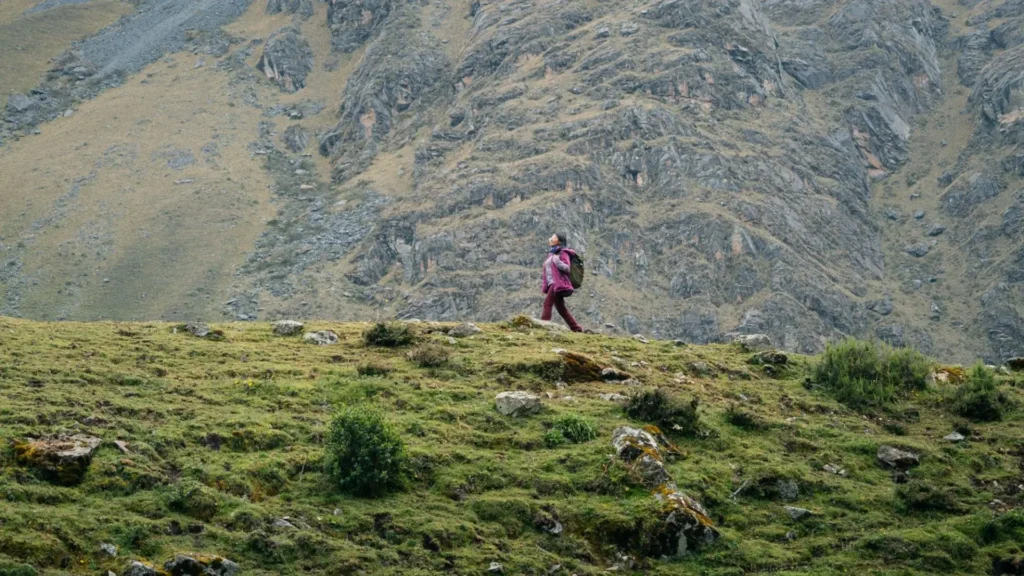
Because the path is wide and smooth, you can easily push an outdoor stroller or an adaptive wheelchair. But you should still wear proper walking shoes with good traction. Daily tropical rain can make the shaded parts of the pavement wet and slick. Leave your flimsy beach flip-flops in your car trunk until you go to the sand.
There are many benches along the path. If you get tired, you can sit down under a shade tree and rest. There are also clean water fountains where you can fill up your flask. The park setup makes sure you feel safe and comfortable during the whole stroll.
Entrance Costs, Fees, and Motorized Shuttle Options
You must buy a ticket to enter the park grounds because the valley is a private reserve. The entry fees pay for planting native trees, clearing weeds, and tracking stream health. It also pays for the professional lifeguards who watch the swimming pool.
Current Ticket Price Ranges
- Adult General Entry: $25.00
- Seniors (Ages 60+): $18.00
- Military / Students: $18.00
- Young Kids (Ages 4 to 12): $15.00
Note: Standard car parking is included with your main admission ticket. You do not have to pay extra money to leave your car in the lot.
The Quick Golf Cart Shuttle
If you are traveling with older relatives or young toddlers who cannot walk 1.5 miles, the park offers a great golf cart shuttle. The ride costs about $10.00 for a one-way trip or $20.00 for a round trip. The shuttle pickup station sits just past the front ticket window and drops passengers off right near the waterfall path loop. It runs back and forth all day long.
This service is perfect for hot days when the sun is high. It allows everyone in the family to see the waterfall, even if they cannot walk far. You can buy shuttle tickets at the main counter when you arrive.
Cool Things to Spot Along the Trail Route
The walk to the fresh water cascade offers many interesting sights for your family. Do not just walk past them. Take your time to explore each section.
1. Old Hawaiian Living Sites
Near the start of the trail, you can tour authentic thatched houses called hale. Local workers show visitors traditional island skills like wood carving, cloth making, and food prep. You can see how large families lived together in the old days. It is a live history lesson under the trees.
2. Rare Botanical Collections
The park has over 30 distinct plant zones. You will walk under giant bamboo shoots and view bright tropical flowers that are protected from extinction. There are plants from Central America, Asia, and other Pacific islands. Each zone has a small sign that tells you the name of the plant and where it comes from.
[Main Gates] ---> [Cultural Houses] ---> [Rare Flower Zone] ---> [Old Farm Terraces] ---> [Waterfall Basin]
3. Native Stream Birds
Keep your eyes on the fresh water stream next to the path. You might spot the rare Hawaiian moorhen. It is a black bird with a bright red beak. You can also see white-tailed birds resting on the steep valley rocks high above your head.
4. The Giant Banyan Trees
Halfway down the path, you will see massive banyan trees. Their roots grow down from the branches into the soil. They look like giant wooden walls. Kids love to look at these trees because they look like something out of a fantasy movie book. They provide excellent shade on warm days.
The Official Swimming Rules at Waimea Falls
The main trail ends at the open rock area facing waimea falls. The clean mountain water drops 45 feet into a large natural pool. The pool basin is deep and stretches up to 100 feet wide. It is a stunning sight to see the white water crash into the green pool.
Lifeguard Rules and Mandatory Safety Gear
The swimming pool is fully monitored by a professional lifeguard team to keep everyone safe. They take their jobs very seriously.
- Mandatory Life Jackets: Everyone who swims must wear a life jacket. The park provides these vest jackets completely free of charge at the pool pavilion. You cannot enter the water without one, even if you are an expert swimmer.
- Flag Warning System: Lifeguards use colored flags at the water edge. Green means safe swimming, amber means low visibility or slow movement, and red means the pool is completely closed to the public.
- Cold Fresh Water: The mountain pool water feels crisp and chilly. It is much colder than the ocean water at the beach. The bottom of the pool is made of dark volcanic rocks that are very slippery, so step slowly when you walk into the shallow edge.
There are changing rooms located right next to the waterfall pool. You can slip out of your walking clothes and into your swim gear easily. There are also lockers where you can store your small items while you are floating in the stream water.
Clearing Up the Kauai vs. Oahu Waimea Confusion
A common issue in digital travel planning is the naming crossover between different Hawaiian islands. Many travelers accidentally mix up their plans by searching for the waimea falls hawaii location on the wrong island.
To keep your planning accurate, remember this geographical separation:
- Waimea Valley & Waimea Falls: Located exclusively on the North Shore of Oahu. This is the gentle, paved garden walk with a lifeguarded swimming pool. It is easy and safe for all ages.
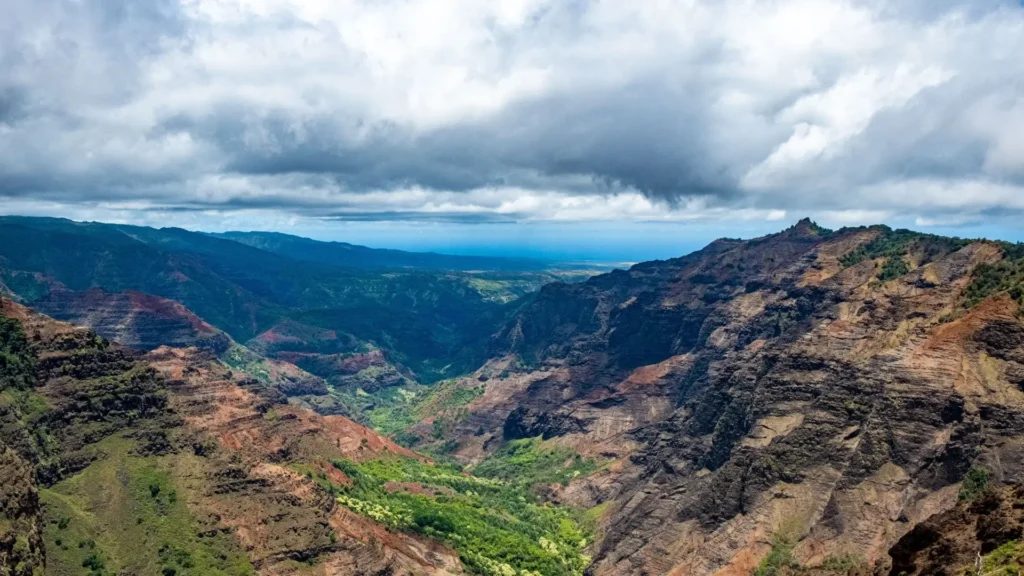
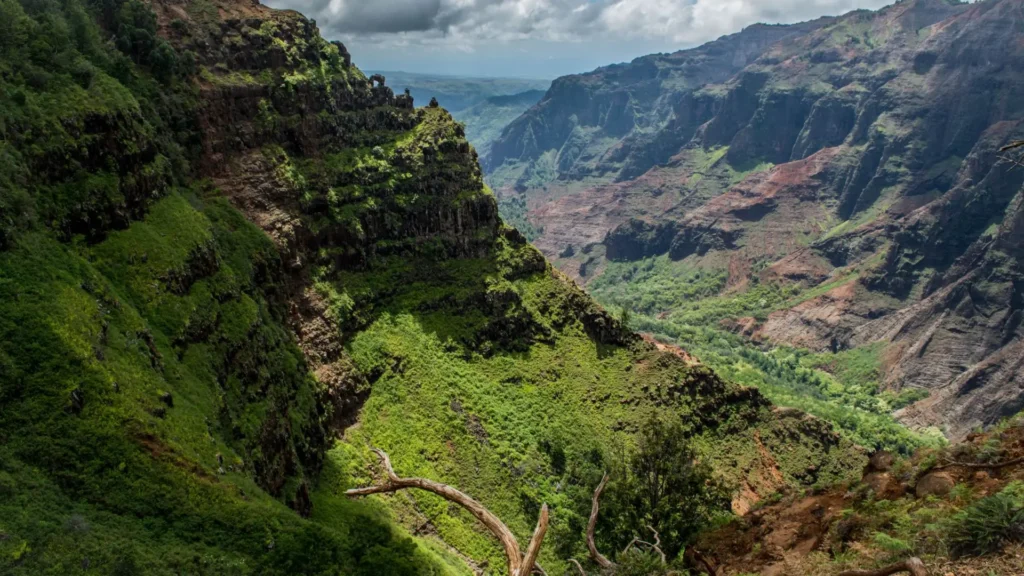
- Waimea Canyon & Waipoo Falls: Located on the West Side of Kauai. This is a massive geological canyon often called the Grand Canyon of the Pacific. The hikes there involve steep dirt paths, red clay ridges, rugged switchbacks, and unmonitored wilderness river crossings.
If your primary goal is an easy, family-friendly walk that ends with an organized waterfall swim, ensure your hotel and flight routing places you on Oahu. Do not buy tickets for the wrong island park.
Packing Checklist: What to Bring in Your Bag
The North Shore weather can shift from hot sunshine to a sudden rain shower in a few minutes. Packing a small daypack keeps your group happy. Here is what you should put inside your bag before you leave your hotel room:
- Good Shoes: Use running shoes or sports sandals with rubber grips. They will keep you safe on wet asphalt streets.
- Fresh Water: Bring a water bottle for each person to combat the thick jungle humidity. Drinking water keeps your energy high.
- Swim Vests: Wear your swimsuit under your clothes to skip the wait lines at the changing rooms. It saves a lot of time.
- Bug Spray: The warm jungle trees attract mosquitoes. Put on eco-friendly spray before you start walking down the road.
- Sun Protection: Wear a wide hat and use reef-safe sunscreen to shield your skin on open parts of the road.
- Waterproof Bag: Bring a plastic pouch to keep your cell phone and car keys dry if a sudden rain shower passes over the valley.
Post-Hike Food Options and Local Spots
When you finish your walk and leave the valley gates, you are in a perfect spot to explore more of the North Shore. The coast is full of fun things to do and great food to taste.
If you feel hungry after swimming, you can drive down to the main road. The area is famous for local food trucks; you can browse our guide to the best food trucks in Oahu nearby. These open-air truck hubs serve fresh garlic shrimp plates, cold acai bowls, and local fish tacos at great prices. Eating hot shrimp out of a paper plate is a true North Shore tradition.
You can also walk to the beach across the street to watch surfers take on giant waves during the winter months. If you visit during the summer, the water at Waimea Bay is as calm as a swimming pool, and you can jump off the famous rock into the ocean. You can also drive a few miles down the road to see sea turtles resting on the golden sand at Laniakea Beach.
Final Thoughts on the Valley Experience
The waimea falls walk is perfect for travelers who want a safe, relaxing day in nature. If you want a dangerous mountain adventure with high cliffs, this paved trail will feel too simple. But if you want to see rich island history, view beautiful tropical flowers, and swim safely under a real waterfall, this park is fantastic.
It gives you a deep look into old Hawaii without any of the stress of deep wilderness hiking. Plan your trip for the morning to miss the crowds, follow the pool safety rules, and enjoy a wonderful day on the North Shore.
FAQs About Waimea Falls
Waimea Falls and Manoa Falls are the most beautiful waterfalls on Oahu. Manoa Falls features a dramatic 150-foot drop in a wild jungle, while Waimea Falls offers a scenic 45-foot cascade with a lifeguarded swimming pool.
No, you cannot hike to Waimea Falls for free. The trail is inside a private cultural reserve. General entry tickets cost $25 USD for adults, which covers parking, garden access, and swim gear.
Yes, Waimea Falls is a very easy hike. The 1.5-mile round-trip path is completely asphalt-paved, wide, and mostly flat. It has no mud, steep cliffs, or dirt steps, making it perfect for all fitness levels.
Yes, Waimea Falls is excellent for kids. The flat, paved trail allows easy stroller access. The waterfall pool is also monitored by professional lifeguards who provide free, mandatory life jackets for a safe family swim.
It takes 20 to 30 minutes to walk the 0.75-mile path to the waterfall. Most visitors spend a total of 1.5 to 2 hours inside the park to view the historical sites and swim in the pool.