Koko Head Trail Hawaii: The Complete 2026 Guide (Steps, Parking, Safety & Difficulty)

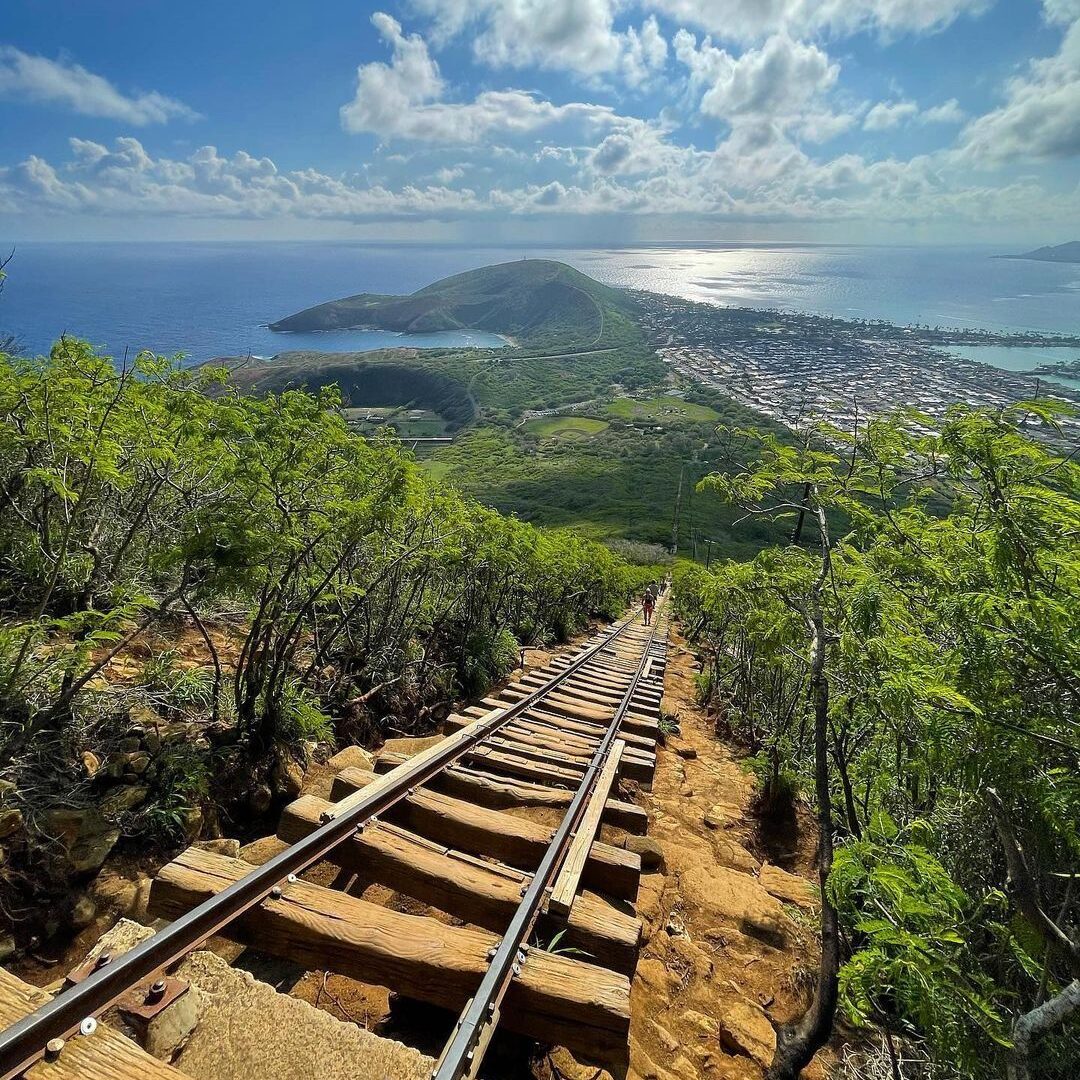
Koko Head Trail is a 1.6-mile round-trip hike in Hawaii Kai, Oahu, that climbs 1,048 old military railway ties straight up the face of an extinct volcanic crater. It gains 990 feet in under a mile, has zero shade, costs nothing to hike or park, and needs no reservation. Most hikers reach the top in 30 to 45 minutes and are rewarded with a 360-degree view of Hanauma Bay, Diamond Head, and the Pacific. As of 2026, the trail is fully open after a temporary 2025 safety closure.
That single paragraph answers the question most people type into Google. The rest of this guide covers everything else: the current 2026 open/closed status, exact parking directions, the real difficulty level, how many steps you’ll actually climb, safety hazards, gear, timing, and how Koko Head compares to nearby trails like the Koko Crater Arch and Diamond Head.
Koko Head Trail Quick Facts (2026)
| Metric | Data | Practical Note |
|---|---|---|
| Official Name | Koko Crater Railway Trail (Koko Head Stairs) | Also called Koko Crater Tramway |
| Hawaiian Name | Kohelepelepe | Summit peak is Puʻu Mai |
| Trail Length | 1.6 miles (2.6 km) round trip | Some GPS trackers log 1.4–1.8 miles |
| Total Steps | 1,048 railway ties | Uneven spacing, not uniform stairs |
| Elevation Gain | 990 feet (301 m) | Summit sits at 1,208 ft (368 m) |
| Difficulty | Hard / Strenuous | Straight incline, no switchbacks |
| Cost | $0 | Free trail, free parking |
| Reservation | None required | Unlike Diamond Head, which requires one |
| Gate Hours | 4:00 AM – 11:00 PM | Automated gates added in late 2023 |
| 2026 Status | Fully open | Reopened after 2025 safety upgrades |
Is Koko Head Trail Open in 2026?
Yes — as of 2026, the Koko Head Trail is fully open and operating normally. This is important because the trail made headlines in July 2025 after a safety incident at the summit bunkers led to a temporary closure. Here’s what actually happened and why it no longer affects your hike.
In July 2025, an accident at one of the old WWII bunker openings prompted the Honolulu Department of Parks and Recreation to close the summit and place caution tape around three access points. Many hikers continued climbing anyway during the closure, since the trail itself was never physically blocked.
By September 2025, crews used a helicopter to transport materials to the summit and permanently sealed the bunker openings with metal bars. The renovated viewing platform installed in 2023 is also still in good condition.
Bottom line: you do not need to check for an active closure before booking your trip, but Hawaii trails can still shut temporarily for storms, maintenance, or flash flood warnings. If you want a live status check the morning of your hike, search “Koko Head trail status” or check the Honolulu Department of Parks and Recreation site directly.
How to Get to Koko Head Trail
The trailhead sits inside Koko Head District Park on the southeast shore of Oahu, in the Hawaii Kai neighborhood.
How to get to Koko Head Trail from Waikiki: Head east on the Kalanianaʻole Highway (it becomes Highway 72). The drive covers about 12 miles and takes 20 to 30 minutes depending on traffic. When you reach the Hawaii Kai Shopping Center area, the crater will be visible ahead on your left. There is no direct bus route that drops you close to the trailhead, so a rental car, rideshare, or organized tour is genuinely your easiest option if you don’t have a car — city buses 22 and 23 get you close to Hawaii Kai but still leave a long walk to the base.
Where to Park for Koko Head Trail
Parking is free and no reservation is needed. Drive into Koko Head District Park and use the main paved lot near the baseball fields and tennis courts. If that lot fills up (common on weekends and around sunrise), park along the nearby residential streets — just avoid blocking private driveways.
What time does Koko Head Trail open? The park gates open at 4:00 AM and close at 11:00 PM, a schedule the city introduced in late 2023 specifically so pre-dawn hikers could get in for sunrise climbs. The trail itself has no official closing time, but if you park inside the gated lot after 11:00 PM, your car can get locked in overnight. Early hikers often park on the street outside the gate instead.
The History Behind the 1,048 Railway Steps
The steps aren’t stone or dirt — they’re the original wooden ties from a U.S. military tramway built in the early 1940s. The Army needed a way to haul equipment and supplies up to a radar station built on the crater’s summit during World War II. A small motorized cable car ran straight up the tracks.
When the military decommissioned the site, it handed the land to the City and County of Honolulu in 1966, and the park opened to the public. For years the tramway fell into disrepair as it grew popular with local fitness hikers, which led to more frequent injuries and rescues.

In 2020, a nonprofit called the Kokonut Koalition formed specifically to maintain and repair the steps. According to the group’s president, Lena Haapala, most rescues happen because visitors underestimate how many steps they’re actually climbing and how much of a cardio workout it is — donations to the nonprofit help fund ongoing repairs.
How Difficult Is the Koko Head Trail?
Koko Head Trail is rated hard to strenuous, and that rating holds up in practice. Unlike most mountain trails, there are no switchbacks to ease the grade — you’re climbing a straight line up the spine of the crater, and the incline gets steeper the higher you go.
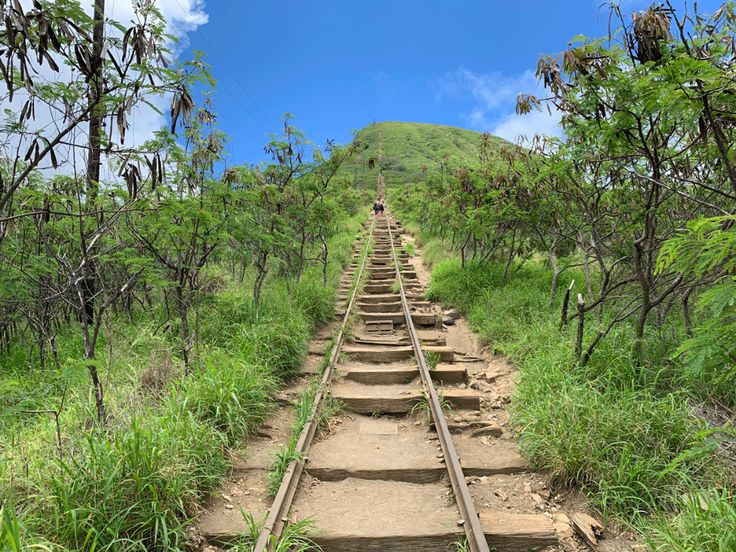
Three things make it harder than the raw numbers suggest:
- Zero shade. The tropical sun hits the crater face directly for the entire climb.
- Uneven footing. The wooden ties are spaced inconsistently, so your stride constantly changes.
- No pacing crutch. Because it’s a staircase, not a trail, there’s no flat section to recover on.
That said, it’s genuinely completable for most healthy adults. If you can climb a long flight of stairs at home without stopping to gasp, and you’re willing to go slow and take breaks, you can finish this hike. The challenge is more mental than technical — pace yourself and it’s manageable.
How Long Does It Take to Hike Up Koko Head?
For an average hiker with moderate fitness, the climb up takes 30 to 45 minutes. Fast local athletes have run the entire staircase in under 15 minutes, while first-time or casual hikers sometimes need closer to an hour.
The descent typically takes 30 to 40 minutes, since you need to step carefully on the way down to avoid slipping on loose volcanic dust. Altogether, plan for 1.5 to 2 hours round trip, which leaves time to rest at the summit, drink water, and take photos.
How Many Steps Is Koko Head?
The exact answer is 1,048 steps — actual wooden railroad ties left behind by the military decades ago. They are not evenly spaced like stairs in a building. Some ties sit close together; others require a longer stride.

Decades of weather exposure have worn down the edges, so watch your footing on every step, especially near the top where the incline is steepest.
Is Koko Head Trail Safe?
Yes, thousands of people climb it safely every week, but one specific section deserves real caution: the railway bridge near step 500. At this point, the dirt beneath the wooden ties has eroded away completely, leaving an exposed drop into the ravine below.
A clear dirt bypass path runs along the right side of the tracks, letting you walk around the open gap on solid ground. Take the bypass, wear shoes with real traction, and this hazard is a non-issue. Beyond that section, most injuries reported to Honolulu Fire Department (HFD) come from heat exhaustion and slips on loose gravel — not falls — which is why hydration and proper shoes matter more than technical climbing skill.
It’s worth knowing that Koko Crater Stairs regularly ranks among Oahu’s most frequent hike-rescue sites alongside Diamond Head and Lanikai Pillbox, according to HFD data. That’s less about the trail being dangerous and more a reflection of how many out-of-state visitors underestimate a 1,048-step vertical climb in tropical heat.
Is Koko Head Trail Harder Than Diamond Head?
Yes, Koko Head is significantly more physically demanding than Diamond Head — but Diamond Head has its own trade-offs.
| Feature | Koko Head Trail | Diamond Head Monument |
|---|---|---|
| Surface | Loose railroad ties, dirt bypass | Paved paths, handrails, lit tunnel |
| Elevation Gain | 990 ft | About 560 ft |
| Crowd Level | Moderate, mostly fitness locals | Very high, tour-bus crowds |
| Reservation | None needed | Required in advance, plus fees |
| Cost | Free | $5 non-resident fee + $10 parking |
| Workout Intensity | High cardio burn | Low to moderate walk |
If your goal is a genuine athletic challenge on an uncrowded, unpolished trail, Koko Head wins. If you’d rather take a gentler, well-maintained walk with handrails and don’t mind booking ahead, Diamond Head is the better fit — read our full Diamond Head guide for its reservation system and pricing details.
Koko Crater Arch Trail: A Different Hike Worth Knowing About
Don’t confuse this with the Koko Head stairs — the Koko Crater Arch Trail is a separate, shorter hike on the outside of the same crater, reached from the Halona Blowhole parking area rather than Koko Head District Park.
It’s about 1 mile round trip and takes roughly 30 to 45 minutes, but it’s unmaintained and involves rock scrambling up a ridgeline to a natural stone arch on the crater’s southern wall. Past the arch, an experienced hiker can continue up a steep, exposed path to link into the Koko Crater Rim Trail, which circles the entire tuff cone and offers an alternate, far more technical way to reach the summit or descend from the stairs.
This route is not for beginners — it has real exposure, no marked path, and should be avoided in wind or rain. Most visitors are better off treating the arch as its own quick side trip near the Hanauma Bay area rather than an alternative to the main stairs.
Can You Actually Handle This Climb?
You can probably do this hike if:
- You exercise regularly and can walk uphill without losing your breath fast
- You’re fine taking frequent short breaks to lower your heart rate
- You carry enough water and pace yourself from step one
- You climb early, while the mountain is still cool
You should probably skip it if:
- You have severe knee pain, chronic asthma, or a heart condition
- You have a strong fear of heights or open exposure
- You don’t do any regular physical activity
- You’re hoping for a flat, casual walk in dress shoes or sandals
Gear Checklist for Koko Head Trail
- 1.5 liters of water minimum — the heat inside the crater causes heavy sweating fast; skip the single small bottle
- Real trail shoes — running shoes or hiking boots with deep rubber lugs, never beach sandals or smooth-soled sneakers
- Sun protection — reef-safe sunscreen, a hat, and sunglasses; there is no shade anywhere on the climb
- Grip gloves — optional, but useful if you need to steady yourself on the wooden ties
- A sweat towel — a small microfiber cloth keeps sweat out of your eyes on the steep upper section
Best Time to Climb Koko Head
Because the crater face has no shade, timing changes the entire experience.
Sunrise (before 7:00 AM): The most popular window. Cooler air, smaller crowds, and you reach the top as the sun comes up over the ocean. Bring a headlamp or phone flashlight if you start in the dark — the gates open at 4:00 AM for exactly this reason.
Sunset (start at least 90 minutes before sunset): The mountain’s shadow blocks direct sun during your final steps, and the changing sky colors over Honolulu are a highlight.
Midday (10:00 AM–3:00 PM): Avoid this window. The dark wooden ties and asphalt absorb tropical heat, and dehydration risk climbs fast with no shade to recover in.
What You’ll See at the Top
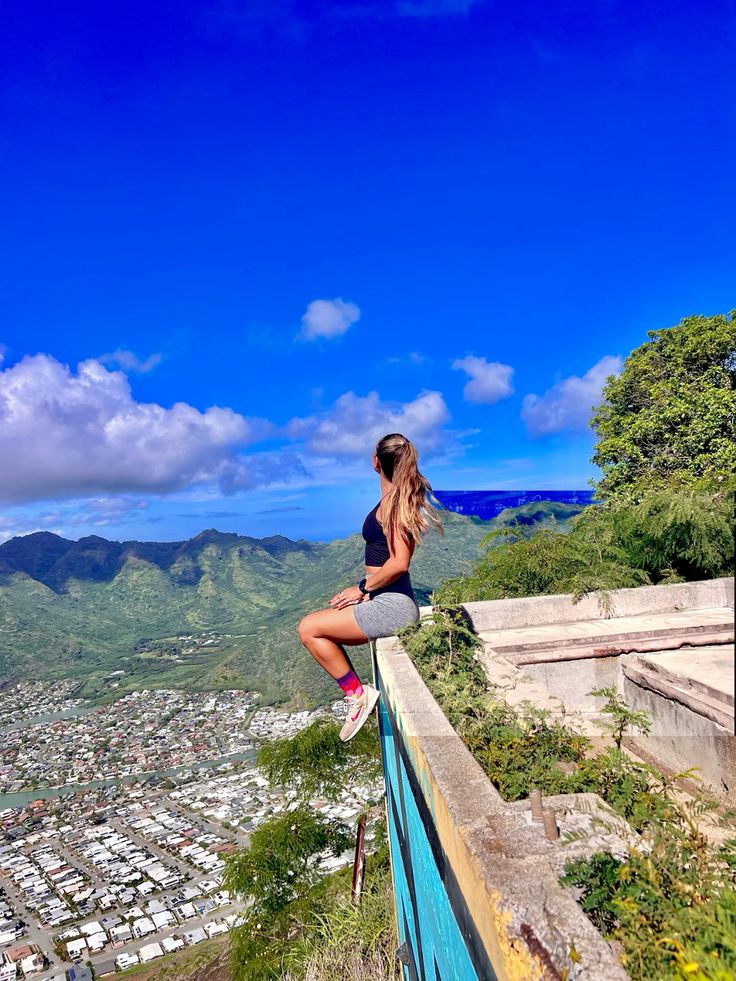
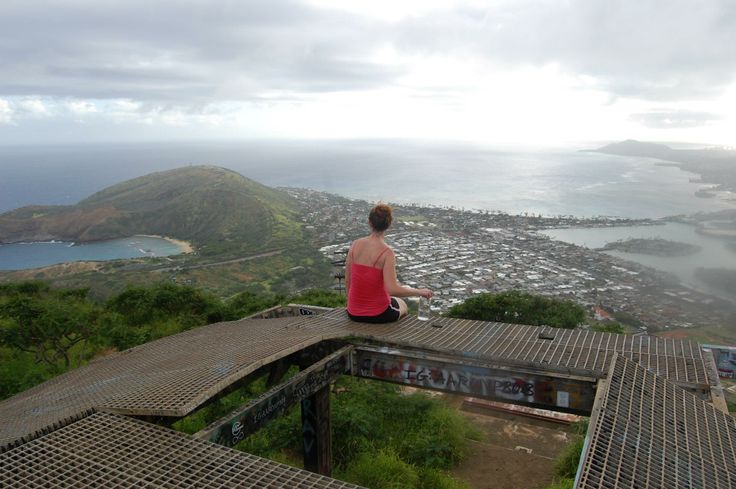
At step 1,048, you’re standing on the flat concrete roof of an old military bunker, 1,208 feet above sea level. The view stretches across the turquoise water of Hanauma Bay, the Hawaii Kai coastline, nearby golf courses, and the open Pacific. On a clear day, you can pick out the silhouette of Diamond Head near Waikiki. Most hikers rest here for 15 to 20 minutes before heading back down.
Park Rules and Facilities
- Restrooms: available near the main parking lot only — none along the trail or at the summit
- Water fountains: at the park base, so fill up before you start climbing
- Trash: there are no bins on the trail; carry your empty bottles back down
- Gate hours: 4:00 AM to 11:00 PM; park on the street if you’re arriving before the gates open for a sunrise hike
Where to Eat After Your Hike
Once you’re back at the base, Hawaii Kai has solid recovery-meal options just minutes away — poke bowls, local breakfast plates, and shave ice at the nearby shopping centers. If you’re continuing up the coast toward the North Shore, stop for garlic shrimp or fish tacos at the roadside stands — our guide to Oahu’s best food trucks covers the top spots. For a gentler, family-friendly hike later in your trip, Waimea Falls is a good contrast to Koko Head’s intensity, and if you’re building out a full hiking itinerary, check our complete Oahu hikes guide for more options like Makapuu Point.
Final Thoughts
Koko Head Trail rewards effort more honestly than almost any other hike on Oahu. It’s steep, it’s hot, and it’s completely unforgiving of a bad pace — but it’s also free, always open, and finishes with one of the best panoramic views in the state. Take the bridge bypass, start early, carry more water than you think you need, and don’t try to race the mountain. With the right prep, this is one Oahu challenge you’ll actually be glad you took on.