China Walls Surf Oahu: Real Conditions, Safety Facts and What Visitors Must Know

I still remember the first time I stood at the edge of China Walls. The wind was warm. The sky was turning orange. And below me, the ocean was slamming into a black lava wall like it had something to prove. A local surfer next to me smiled and said, “This spot doesn’t forgive mistakes.” That one sentence stuck with me. It’s the truth about this famous China Walls surf spot.
This guide covers everything you need to know in 2026. We’ll talk about the waves, the danger, the history, and how to stay safe. We’ll also answer the questions people search for most: how big the waves get, why the spot got its name, and which wave has hurt the most surfers here.
Where Is China Walls, Oahu?
China Walls sits on the South Shore of Oahu, in a neighborhood called Portlock. It’s part of Hawaii Kai, close to Hanauma Bay. The spot is a long, flat shelf of black lava rock. The rock drops straight down into deep blue water. There is no sand here. Just rock, ocean, and a steady left-breaking wave.

Locals also call it “China Wall” or simply “the wall.” If you search a china wall surf report before you go, you’ll usually see it listed under this name too.
Why Is It Called China Walls Hawaii?
This is one of the most searched questions about the spot, so let’s clear it up.
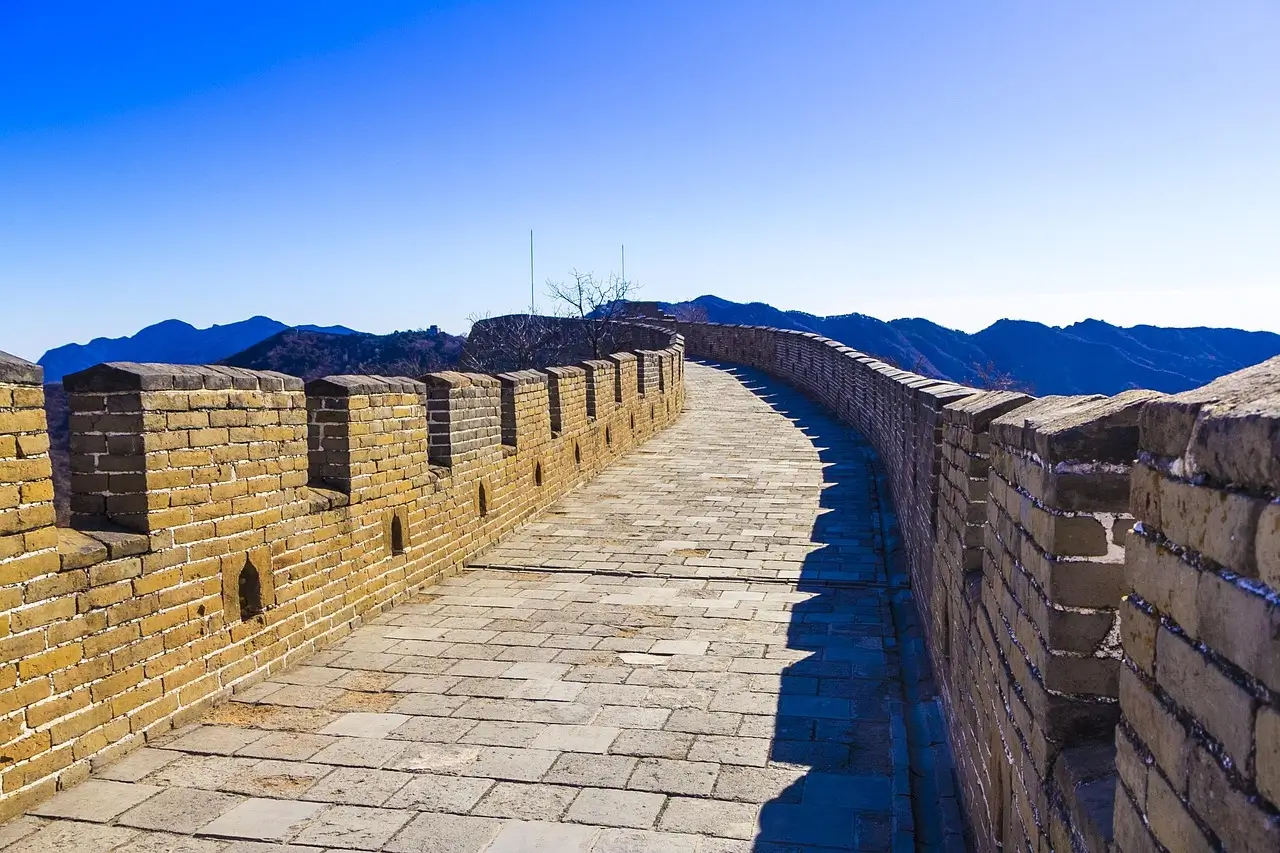
A local surfer named Richard Okita named the break back in 1948. He was studying history in school at the time, and he had just learned about the Great Wall of China. When he looked at the long, curving line of swell peeling along the rocky cliff, it reminded him of that wall. The name stuck, and surfers have used it ever since.
So the name has nothing to do with China itself. It’s about the shape of the wave and the rock. The rock wall formed naturally over thousands of years from old lava flows out of Koko Head trail, the volcanic cone nearby.
How Big Are the Waves at China Walls?
The waves here are not the largest in Hawaii; they don’t reach the massive scales of North Shore giants like Pipeline or Waimea Bay. However, size isn’t what makes this spot treacherous.
- Normal Conditions: Waves typically run about 3 to 6 feet.
- Summer South Swells: Waves can push much higher, occasionally reaching double overhead.
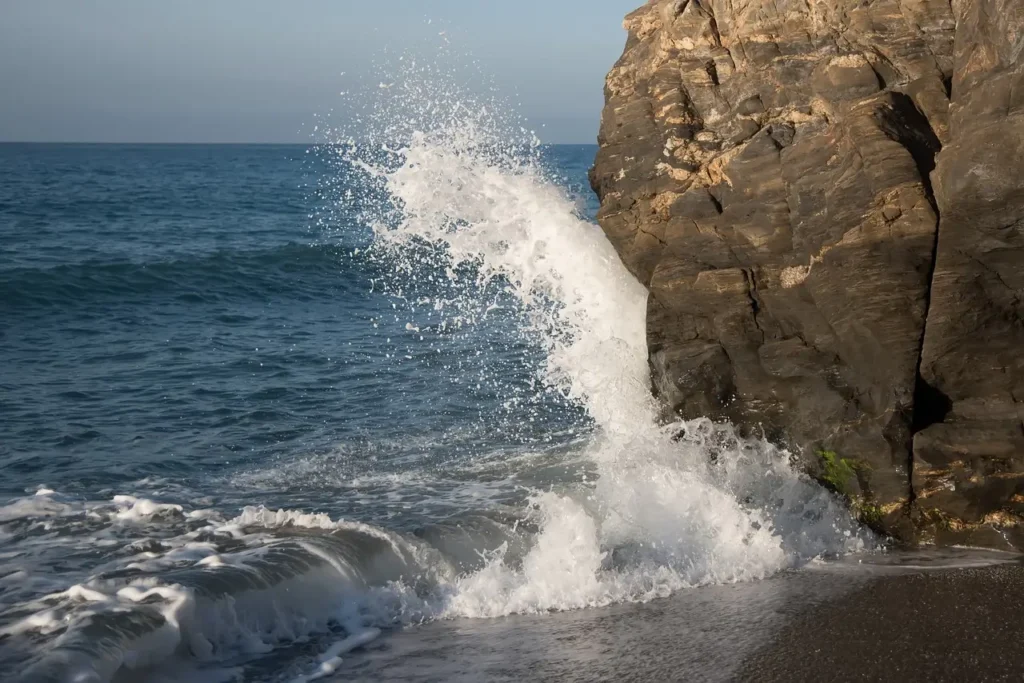
What makes China Walls incredibly dangerous is the wave’s location. The wave breaks left, directly parallel to the jagged rock wall. Surfers have only a few seconds to complete their ride and turn away before the ocean forces them into the cliff. One minor mistake in timing can throw a rider straight into the sharp lava rock.
SEO Note for Surfers: To get clean, rideable waves here, you need a strong south swell paired with light offshore winds from the north-northeast. Always cross-reference this with a current Oahu surf forecast before heading out.
Which Wave Has Killed the Most Surfers?
People often search for the deadliest wave at China Walls, but the truth is different. There is no single “deadly wave” officially recorded here. Instead, the danger stems from a consistent pattern of ocean behavior and human error, making it a regular mention on lists highlighting what not to do in Oahu.
- A visitor jumps off the rocks to swim or cliff dive.
- A set wave arrives without warning.
- The swimmer gets pushed against the rock wall or pulled out by a strong current.
- There is no lifeguard tower to help right away.
Local news in Hawaii has reported several drownings at China Walls over the years, along with dozens of rescues, especially between April and October when south swells are strongest. Long-time locals like attorney Greg Kugle, who has surfed here for over 40 years, have personally pulled swimmers out of the water more than once. One rescue in 2026 was even caught on video, showing a surfer sprinting into the wash to save a woman who had been swept onto the rocks.
So the real danger isn’t one wave. It’s the wall itself, combined with people underestimating the ocean.
Is China Walls Safe to Surf or Swim?
Short answer: only if you know what you are doing.
China Walls surf break is for experienced surfers only. It is not a beginner spot. The takeoff is fast, the reef is shallow and sharp, and the wall is always close by. If you are new to surfing, this is not the place to learn.
For swimmers and cliff jumpers, the danger is even higher. There are no lifeguards stationed at China Walls. The city has said there isn’t a safe place to build a tower here. That means if something goes wrong, help may not arrive fast.
Here are the basic safety rules locals follow:
- Never turn your back on the ocean, even for a photo.
- Watch the water for at least ten minutes before jumping in. Waves come in sets, so calm water can turn dangerous fast.
- Only jump from the rocks if you are a strong swimmer.
- Avoid China Walls completely during a high surf warning.
- Go with a friend, never alone.
- Know your exit point before you jump in. Getting out is much harder than jumping in.
Best Time to Surf China Walls
Summer, from about May through September, brings the most consistent south swells to this spot. This is when China Walls surf conditions are best for experienced surfers, and also when the water is most crowded and most dangerous for casual visitors.
Winter months are usually calmer here, since China Walls faces south and the big winter swells hit Oahu’s North Shore instead. If you want to check conditions before heading out, look at a current china walls surf report the morning of your trip. Wave height and wind direction can change fast in Hawaii.
China Walls vs Other Oahu Surf Spots
If you follow surf news Hawaii outlets like local TV stations or surf magazines, you’ll notice China Walls gets mentioned often, right alongside spots like Sandy Beach and Pipeline. Here’s how it compares:
- Pipeline: Bigger, more famous, more dangerous overall, but has more safety patrols due to its fame.
- Sandy Beach: Known for shorebreak injuries, mostly neck and back, different type of danger.
- Waimea Bay: Massive winter waves, but a wide, sandy bay with more room for error.
- China Walls: Smaller waves, but almost zero room for error because of the rock wall right next to the takeoff.
This comparison matters because many guides only describe China Walls on its own. Understanding how it stacks up against other Oahu breaks helps you decide if it fits your skill level.
What Locals Wish Visitors Knew
Long-time Hawaii Kai residents have spoken publicly about how the spot has changed. It used to be visited mostly by experienced surfers. Now, more tourists come just to watch sunsets, take photos, and jump off the rocks. This has led to more rescues, not fewer.
Retired fire official John Clark, who has responded to many rescues here, put it simply: jumping in is the easy part. Getting back out is what gets people hurt. The rock face is slippery, the current is strong, and there’s no ladder or ramp to climb out on.
If you plan to visit, treat it like visiting someone’s backyard. Park legally, don’t block driveways, and don’t leave valuables in your car. Respecting the neighborhood keeps the spot open for everyone.
China Walls Surf Report: What to Check Before You Go
Before any surf session or visit, check these three things:
- Swell direction and size — Look for a south swell. Anything above four feet at 12+ second intervals means strong, powerful waves.
- Wind direction — Offshore wind from the north-northeast keeps waves clean. Onshore wind makes waves messy and harder to read.
- Ocean Safety alerts — Honolulu Ocean Safety posts high surf warnings when conditions turn dangerous. If a warning is active, skip the visit or watch from a safe distance.
Checking a live china walls surf report the morning of your trip takes two minutes and can save you from a bad day.
Cliff Jumping at China Walls: Worth the Risk?
Cliff jumping has become one of the biggest reasons tourists visit China Walls, even more than surfing itself. The jump spots range from low ledges to higher points along the wall. But timing is everything.
The safest time to jump is on a completely flat day, with no swell at all. On flat days, the water is calm and clear, and you can see the bottom. On any day with active swell, even a small one, jumping here is not worth the risk. Waves can appear without warning and slam a swimmer straight into the rocks.
What to Bring for a China Walls Visit
A little planning makes the trip smoother and safer. Here’s a simple checklist:
- Reef-safe sunscreen — the sun near the water is strong, even on cloudy days.
- Water shoes — the lava rock is sharp and can cut bare feet fast.
- A towel and dry bag — spray from the waves reaches far up the rock shelf.
- A fully charged phone — in case you need to call for help or check a live china walls surf report on the spot.
- A friend — never go alone, especially if you plan to swim or jump.
Skip the cooler with glass bottles. Broken glass on lava rock is a hazard for everyone, including the next family that visits after you.
Quick Facts About China Walls
- Location: Portlock, Hawaii Kai, Oahu South Shore
- Wave type: Left-breaking reef wave
- Best swell direction: South
- Best wind: Offshore, north-northeast
- Skill level: Experienced surfers only
- Lifeguards: None on site
- Named by: Richard Okita, in 1948
- Best season: Summer (May to September)
Final Thoughts
China Walls is one of Hawaii’s most photographed and most misunderstood surf spots. The waves aren’t huge, but the setting makes every ride and every jump higher stakes than it looks from the parking lot. Respect the ocean, check the china walls surf report before you go, and never underestimate a spot just because the waves look small.
Whether you’re a surfer chasing a fast left, or a visitor hoping for a sunset photo, the same rule applies here: watch the water first, act second.
China Walls surf is not safe for beginners. It has sharp reef, strong waves, cliff entry and no lifeguards. Only experienced surfers should enter the water.
China Walls is located in the Portlock area of Honolulu, near Hawaii Kai, on Oahu’s southeast coast.
No. Beginners should not surf at China Walls. The reef break, fast waves, and difficult exit make it dangerous for new or casual surfers.
Deaths at China Walls have occurred due to strong waves, cliff jumps, difficult exits and people underestimating ocean conditions. Most incidents happen during rough surf.
Yes. China Walls Oahu sunset views are some of the best on the island. You can enjoy the sunset safely from the rocks without entering the water.
No. China Walls is not in Waikiki. It is about a 30–40 minute drive from Waikiki, depending on traffic, and feels very different from Waikiki beaches.