The Ultimate Guide to Snorkeling with Manta Rays on the Big Island (Kona, Hawaii)

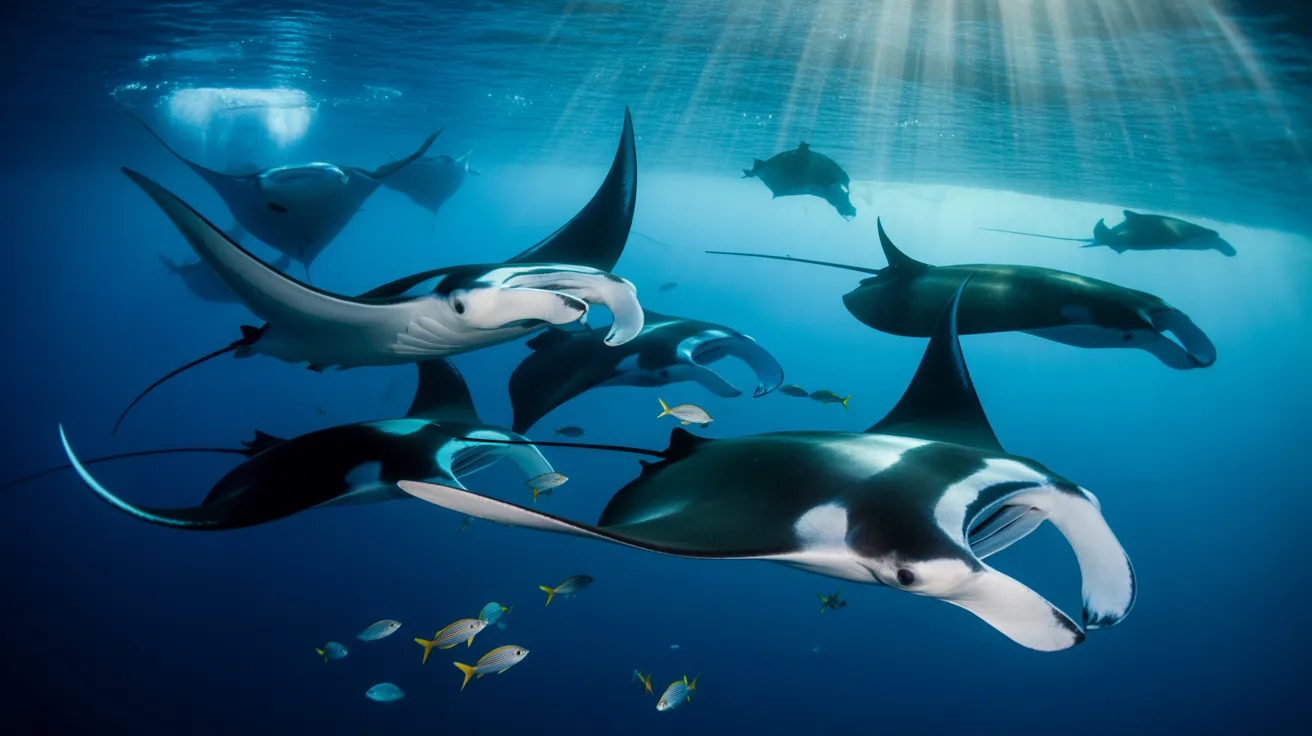
Seeing manta rays on the Big Island is one of the most magical experiences in Hawaii. Unlike other wildlife encounters where you chase animals, here, these gentle giants swim close to you in the ocean at night. It is a calm, exciting, and completely ethical encounter that deserves a spot on your ultimate Hawaii itinerary.
If you are wondering how to experience this natural wonder, this complete, updated guide will help you step-by-step. You will learn where to go, when to visit, how to book the right tour, and even how to view them for free.
What Is the Manta Ray Experience on the Big Island?
The Big Island manta ray experience is a guided night activity in Kona where you watch coastal manta rays feed. Powerful underwater lights are used to attract microscopic ocean life called plankton. Because plankton is their primary food source, the manta rays gather to sweep, roll, and glide through the water to eat, creating an amazing natural acrobatic show.
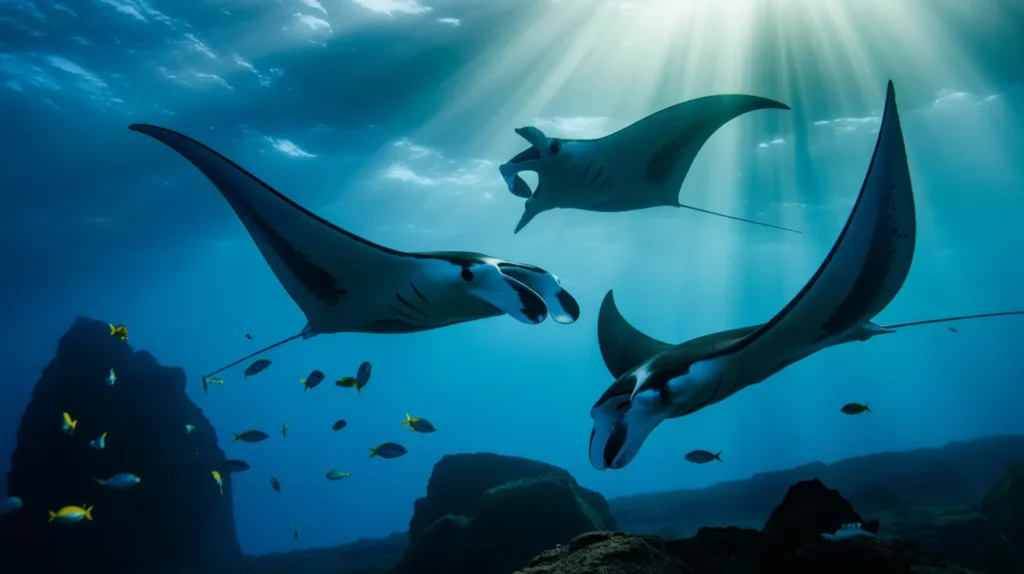
[Ocean Plankton] ---> Attracted by Lights ---> Draws [Manta Rays] (Natural Feeding Loop)
Fast Facts About Kona’s Manta Rays:
- Species: Coastal Manta Rays (Manta alfredi).
- Size: Wingspans average 10 to 14 feet, but they can grow up to 16+ feet wide.
- Diet: Exclusively microscopic plankton.
- Safety: They do not have stingers, teeth, or barbs. They are entirely harmless to humans.
- Identification: Each manta has unique black-and-white spots on its belly, acting like a biological fingerprint. Local scientists have logged over 300+ unique residents!
Why Kona Is Famous for Manta Rays
Kona is globally recognized as the best place to snorkel with manta rays. The geographic setup of the Kona coast provides calm waters, warm temperatures, and excellent underwater visibility.
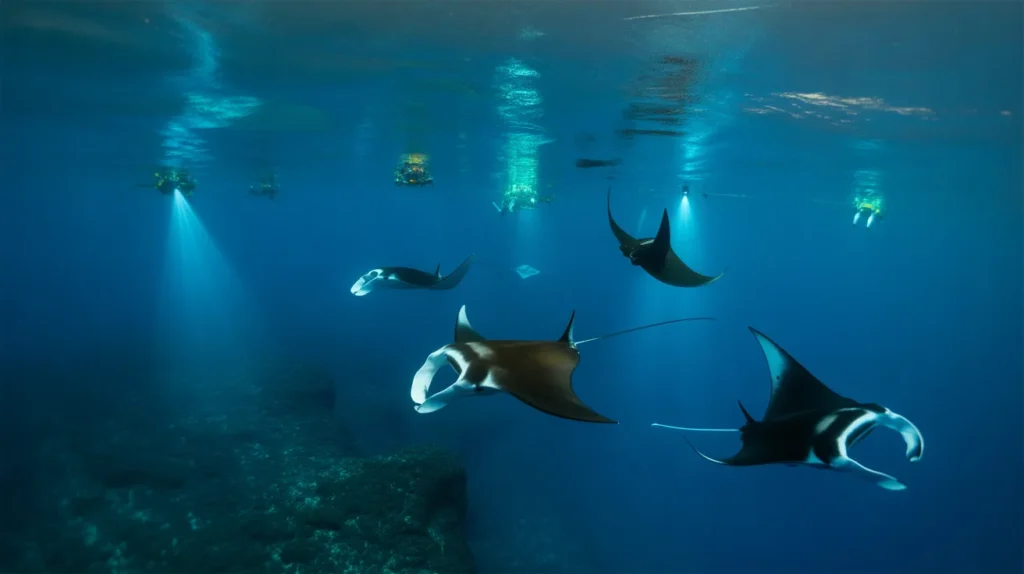
Because the west side of Hawaii Island is shielded from strong trade winds, tour operators can run successful trips almost 365 nights a year. If you are planning a multi-island vacation, you can easily compare how this island matches up against other spots by reading our guide on Oahu vs Maui to choose your perfect base.
Furthermore, the resident manta ray population does not migrate. They stay in these shallow coastal waters year-round, giving you a near-guaranteed chance of seeing them on any given night.
Where to See Manta Rays on the Big Island (The Top Spots)
There are three primary locations along the Kona coast where manta rays gather to feed at night. While weather conditions dictate which spot your captain selects, knowing the differences helps you choose the perfect tour.
1. Manta Ray Village (Keauhou Bay)
Located south of Kailua-Kona, Keauhou Bay is the historic birthplace of the manta ray night snorkel. In the 1970s, the nearby hotel (now the Outrigger Kona Resort & Spa) turned on bright ocean-facing spotlights. This accidental experiment created a nightly “plankton buffet” that local mantas have visited ever since!
- Best For: Beginners and families looking for a short boat ride.
- Vibe: Lively, historic, and highly consistent.
2. Manta Heaven (Garden Eel Cove / Makako Bay)
Located just north of the Kona airport, Garden Eel Cove is a naturally protected bay. For scuba divers, this is often considered the superior site because of its sandy bottom layout.
- Best For: Scuba divers and advanced snorkelers.
- Vibe: A deep-water “campfire” setup where divers sit on the sandy floor at 30 feet, shining lights upward while snorkelers watch from above.
3. Manta Ray Point (Kaunaʻoa Bay / Kohala Coast)
Situated further north in front of the luxurious Mauna Kea Beach Hotel, this is a shallower, shore-accessible reef area.
- Best For: Eco-friendly beach entries and non-swimmers who want to watch from a dry lookout platform.
Snorkeling vs. Scuba Diving: Which is Best?
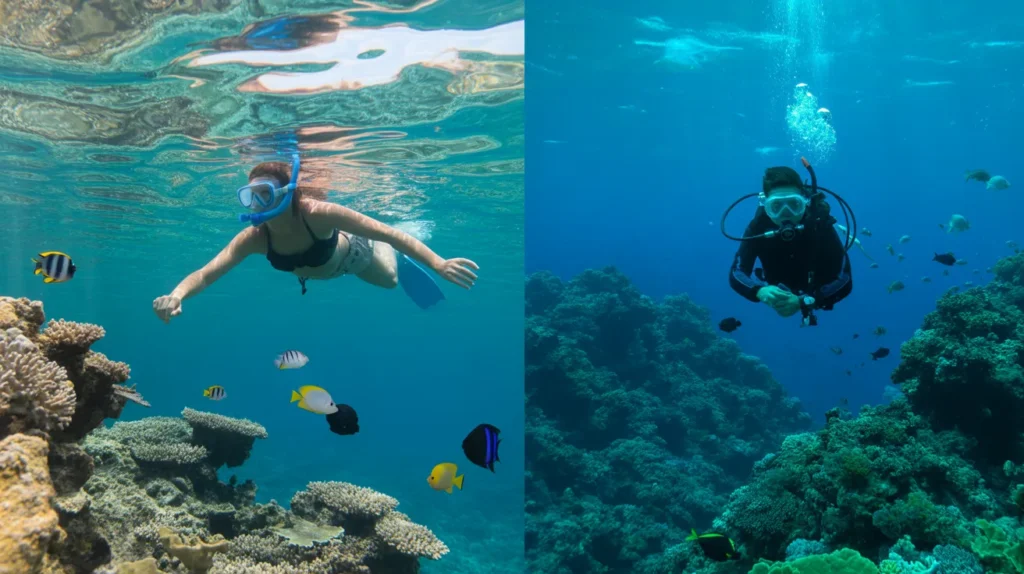
You do not need to be an expert swimmer or a certified diver to enjoy this experience. However, the perspective you get in the water is very different depending on the style you choose.
| Feature | Night Snorkel Experience | Scuba Diving Night Tour |
| Your Position | Floating flat on the surface holding a light board. | Sitting or kneeling on the sandy ocean floor. |
| Skill Needed | Basic comfort in water (Floatation provided). | Open Water Scuba Certification required. |
| The View | Birds-eye view looking straight down. | Looking up as mantas loop directly over your head. |
| Equipment | Mask, snorkel, wetsuit, and foam noodle. | Full scuba unit, regulator, tank, and dive lights. |
| Best For | Families, beginners, and casual travelers. | Certified divers looking for maximum immersion. |
Best Time to See Manta Rays in Kona
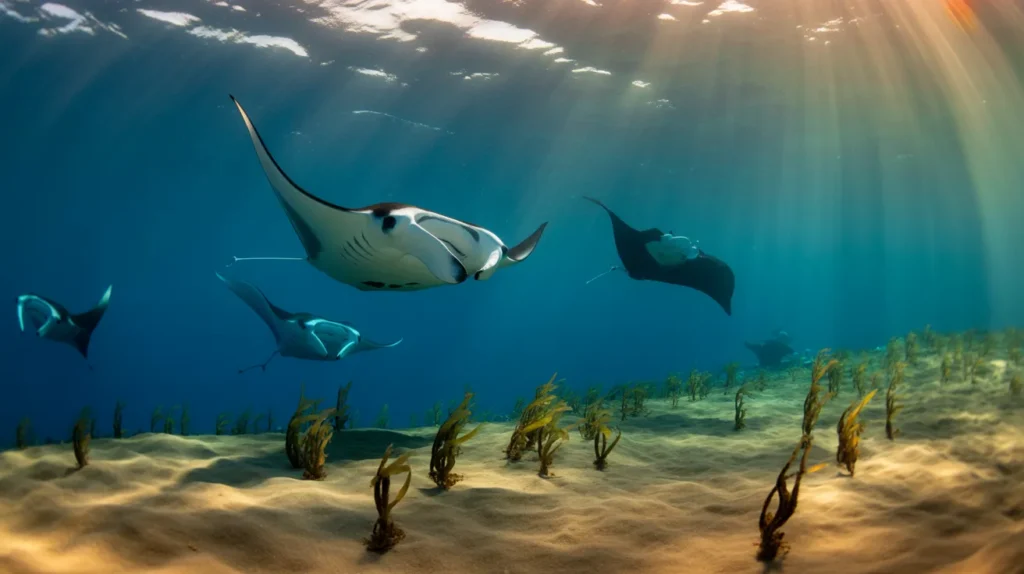
Because the coastal manta rays of Hawaii do not migrate, you can book a tour at any time of year with excellent results. However, subtle seasonal shifts can affect your comfort level.
Time of Day
This is strictly a nighttime activity. Tours depart the harbor just before sunset so you can enjoy the beautiful Hawaiian sky before slipping into the dark water. If you want to check the island time offsets for your flight planning, see our breakdown of what time is it in Kona Hawaii.
Summer vs. Winter Months
- Summer (May to September): This is the ideal window. Ocean swells are calmer, water temperatures are warmer, and underwater visibility is at its peak.
- Winter (October to April): Sightings remain high, but winter brings larger ocean swells and cooler winds. It is highly recommended to wear a full wetsuit during these months to stay comfortable.
How to See Manta Rays on the Big Island (Step-by-Step)
To ensure a safe and smooth experience, it is important to follow a structured plan. If you are designing your broader trip, check out our Big Island itinerary to integrate this smoothly with volcano hikes and road trips.
1.Book a Certified Tour Operator:1-2 Months in Advance.
Do not wait until you arrive on the island. The best manta ray night snorkel Kona tours sell out quickly. Choose an operator certified by the Hawaii Association for Marine Education and Research (HAMER) to ensure ethical wildlife practices.
2.Arrive for Sunset Prep:30 Minutes Before Departure.
Meet your crew at the designated harbor. For your logistics, booking a Kailua-Kona car rental ahead of time is highly recommended to reach the marina without delays. Gear up with your snorkel, mask, fins, and a thick neoprene wetsuit.
3.Listen to the Safety Briefing:Onboard the Boat.
Your captain and swim guides will explain the house rules. The most important rule is the “No Touch” Policy. Touching a manta ray removes the protective slime coat on their skin, leaving them vulnerable to painful infections.
4.Enter the Dark Water:At the Feed Site.
Carefully enter the water with your guide. You will hold onto a custom-built floating swim raft equipped with powerful blue and white LED lights. You do not need to swim around; simply hold onto the board, keep your feet flat on the surface, and let the rays glide beneath you.
Where is the Best Place to See Manta Rays on the Big Island?
If you are looking for the absolute best overall experience, the consensus among locals and travel experts points to Manta Ray Village in Keauhou Bay.
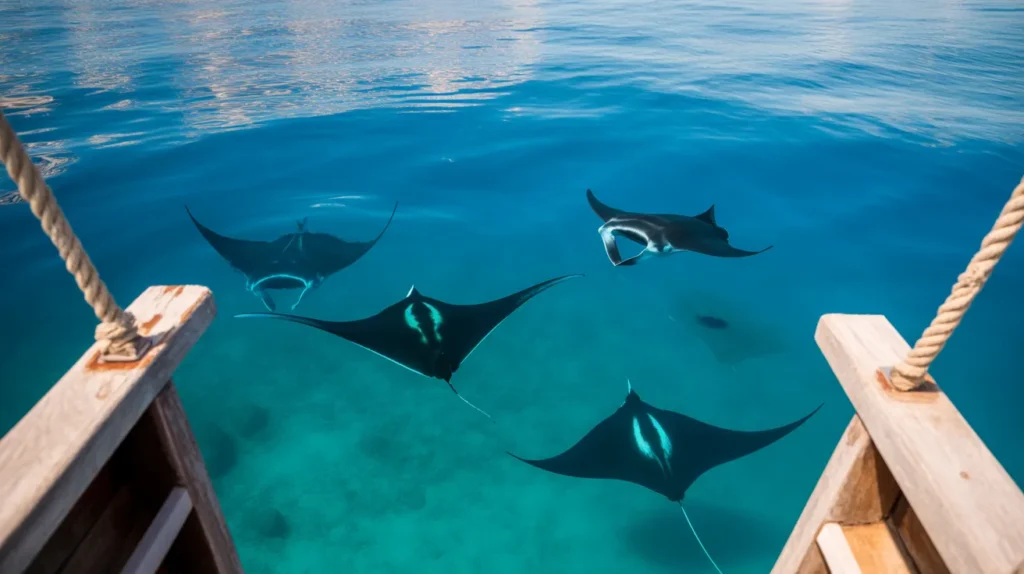
Because it is a semi-enclosed bay, the water here is consistently calmer and warmer than open ocean reefs. This makes it incredibly beginner-friendly. Additionally, the boat ride from the Keauhou launch ramp to the actual manta site is only about 5 minutes, meaning you spend less time traveling and more time in the water with the animals.
For scuba divers, however, Manta Heaven (Garden Eel Cove) is the superior choice because the underwater “campfire” creates a more organized structure for sitting on the ocean floor.
If you are trying to figure out which island matches your travel goals for beaches and hikes, read our breakdown of the best island to visit in Hawaii to narrow down your choices.
What is the Best Time to See Manta Rays in Kona?
While you can see them year-round, the best time of day is the early night tour (typically departing around 5:30 PM to 6:30 PM).
These early tours let you watch the sunset from the boat. As soon as darkness falls, the initial wave of plankton rushes to the surface, bringing active manta rays with them.
If you prefer fewer crowds, consider booking a late-night tour (starting around 9:00 PM). While the water can feel slightly cooler, there are far fewer boats on the water, creating a highly peaceful and private atmosphere.
Can You See Manta Rays Without a Tour?
Yes, you can see manta rays without booking a boat tour, and you don’t even have to get wet! If you are a non-swimmer, budget traveler, or prone to motion sickness, use these two insider locations to watch them from dry land:
1. The Manta Ray Lookout at Mauna Kea Beach Hotel
Located on the Kohala Coast, the Mauna Kea Beach Hotel operates a dedicated oceanfront lookout known as Manta Ray Point.
- How it works: Each night, the hotel turns on a massive, high-powered floodlight over the rocky surf below.
- How to visit: You can park at the resort (public beach parking is available, though space is limited and gate security may charge a parking fee). Walk down past the hotel’s Manta Restaurant to the public viewing deck. You will see the manta rays doing backflips right in the shallow shore break!
2. The Viewing Deck at Outrigger Kona Resort (Keauhou Bay)
Because the Outrigger Kona Resort & Spa sits directly on the cliffs of Keauhou Bay, they have a dedicated oceanfront viewing path.
- How it works: You can grab a drink or dinner at the resort, then walk along the paved coastal path to the rocky overlook. The resort’s giant spotlights shine down onto the water, allowing you to watch the mantas feed alongside the tour boats floating nearby.
⚠️ Safety Warning on Beach/Self-Entry Snorkeling: We strongly advise against attempting to swim out to the manta sites from the shore on your own at night. Navigating dark rocky shorelines, strong currents, boat traffic, and sudden swells without a boat and professional safety lights is extremely dangerous.
Tips for the Best Manta Ray Experience
- Take Motion Sickness Medicine: Even in calm bays, holding onto a floating board while looking down can trigger nausea. Take a preventative remedy (like Dramamine) about an hour before your boat departs.
- Wear the Wetsuit: Even in summer, being static in the water for 45 minutes at night will cool your body temperature down fast. Ask your tour operator for a full wetsuit rather than just a shorty.
- Use a Waterproof Go-Pro Style Camera: If you plan on taking photos, secure the camera to a wrist strap. Turn off your camera flash, as bright, sudden flashes can temporarily blind and startle the rays.
- Keep Your Legs Flat: When holding the light board, keep your body flat on the surface like a plank of wood. If you let your legs dangle, you risk accidentally kicking a passing manta ray.
Is Swimming with Manta Rays Safe?
Swimming with manta rays is incredibly safe. Unlike stingrays, manta rays do not have any venomous stingers, barbs, or sharp teeth. They are filter feeders that consume microscopic organisms, making them completely peaceful giants.
Furthermore, because you are holding onto a sturdy, supervised floatation raft with professional marine guides by your side, it is an ideal adventure for kids, seniors, and hesitant swimmers.
What to Bring on Your Manta Ray Night Snorkel
To ensure you stay comfortable before and after your time in the water, pack the following essentials:
- Swimwear: Wear your swimsuit under your clothes to save prep time on the boat.
- A Warm Change of Clothes: Once you exit the water, the night wind on the boat ride back can feel cold. Bring a windbreaker, hoodie, or dry towel.
- Waterproof Dry Bag: To protect your phone, wallet, and dry clothes from ocean spray.
- Reef-Safe Sunscreen: While it is a night snorkel, applying only mineral, reef-safe sunscreen during the day helps protect Hawaii’s fragile coral reef systems.
Ready to Book Your Kona Adventure?
The Big Island’s manta ray night snorkel is a bucket-list experience that highlights the beauty and fragility of Hawaii’s marine ecosystems. By choosing a certified eco-operator, respecting the “no-touch” guidelines, and preparing correctly, you will secure memories of a lifetime.
Common FAQS:
No, you cannot safely see manta rays without a guided tour. Licensed Kona tours provide lights, safety gear, and expert guides, which are required for this experience.
The best time is at night, just after sunset. Manta rays come to feed on plankton attracted by lights, and they can be seen year-round in Kona.
Snorkeling is better for most people because it is easy and beginner-friendly. Diving gives a different view from below but requires certification and experience.
Most manta ray tours cost between $100 and $180 per person. Prices vary based on tour type, group size, and included services.
No, manta rays are completely safe. They do not have stingers or teeth and are known to be gentle and harmless to humans.
The best places are Kona Manta Ray Village (Keauhou Bay) and Manta Heaven (Garden Eel Cove). These spots have the highest chances of sightings.