What Is the Time in Hawaii Maui? A Simple Guide (Plus Hidden Gems & Weather)

The current time in Maui, Hawaii runs on Hawaii Standard Time (HST), which is UTC-10 all year, since Hawaii never observes daylight saving time. That one fact solves most of the confusion people have about Maui time zone questions.
I still remember my first morning on Maui. I woke up at 5 a.m., jet-lagged, and had no idea if it was too early to call my family back home. I opened my phone, checked the time, and realized I had it all wrong. That mix-up taught me something. Maui time is simple once you know the trick. But most guides make it sound hard.
I’ve been to Maui three times now. Each time, I check the local clock before I book tours, call home, or plan my day at the beach. In this guide, I’ll walk you through everything about Maui’s current time and time zone. Then I’ll share the best things to do on the island, plus a few hidden spots most visitors miss.
Current Time in Maui, Hawaii
Maui runs on Hawaii Standard Time (HST). This is the same time zone used across the whole state of Hawaii, including Oahu, Kauai, and the Big Island.
Here’s the key fact: HST is 10 hours behind UTC (Coordinated Universal Time). So if it’s noon in London, it’s 2 a.m. in Maui.
Unlike most of the U.S., Hawaii does not change its clocks for daylight saving time. The clock in Maui stays the same all year long. This makes planning much easier once you visit.
Quick facts about Maui time:
- Time zone: Hawaii Standard Time (HST)
- UTC offset: UTC-10
- Daylight saving time: Not observed
- Same time zone for the whole island chain (Oahu, Maui, Kauai, Big Island)
I always tell friends this one tip: bookmark a live world clock site before your trip. Type in “Maui” and it will show you the exact time down to the second. I use this every single day I’m on island, mostly to know when to catch the sunset.
Note: Since a written guide can’t update itself every second, use the live clock widget above (or a site like time.is) for the exact current time. The rules below never change, so they’ll always be accurate.
Maui Time Zone & Time Differences
This is the question I get asked the most by friends back home. The easiest way to figure it out is to use this simple math trick:
Take your local time, then subtract hours based on your time zone.
Here’s a quick chart I made after years of doing this math myself:
| Your Location | Time Zone | Hours Behind Maui (Winter) | Hours Behind Maui (Summer) |
|---|---|---|---|
| Los Angeles | Pacific | 2 hours ahead | 3 hours ahead |
| Denver | Mountain | 3 hours ahead | 4 hours ahead |
| Chicago | Central | 4 hours ahead | 5 hours ahead |
| New York | Eastern | 5 hours ahead | 6 hours ahead |
| Florida | Eastern | 5 hours ahead | 6 hours ahead |
| London | GMT | 10 hours ahead | 11 hours ahead |
| Tokyo | JST | 19 hours ahead | 19 hours ahead |
Since Hawaii never springs forward or falls back, the gap between Maui and the mainland U.S. actually grows by one hour each summer. That trips a lot of people up, including me on my first trip. I called my mom at what I thought was a normal hour. It was actually 4 a.m. her time.
Planning an island-hopping trip? Every Hawaiian island shares the same clock, so what time it is in Kona, Hawaii is always the same as Maui. One less thing to think about.
Time Difference Between Florida (EST) and Maui
I get this question a lot because so many of my readers travel from the East Coast. Here’s the simple answer:
Florida is 5 to 6 hours ahead of Maui.
- During Eastern Standard Time (winter), Florida is 5 hours ahead of Maui.
- During Eastern Daylight Time (summer), Florida is 6 hours ahead of Maui.
So if it’s 8 a.m. in Miami, it’s only 2 a.m. or 3 a.m. in Maui, depending on the season. This is exactly why the flight from Florida to Maui feels so brutal. You’re flying west for around 11 hours, and you land at a time your body doesn’t understand yet. My advice from personal experience: try to sleep on the plane, and don’t book anything for your first morning on island. Give yourself time to adjust.
Morning or Night in Hawaii Right Now?
This is a fun one, because Hawaii’s days don’t shift much all year. Since Maui sits close to the equator, sunrise and sunset stay fairly steady:
- Sunrise is usually between 6 a.m. and 7 a.m.
- Sunset is usually between 6 p.m. and 7 p.m.
So here’s a simple rule I use: if the clock in Maui reads anywhere from 6 a.m. to 6 p.m., it’s daytime. Anything outside that window is night. It sounds obvious, but I mention it because so many mainland visitors expect long summer evenings like they get at home. Maui doesn’t work that way. The sun sets close to the same time all year, give or take 30 minutes.
If you want to catch the famous Haleakalā sunrise (and you should), plan to leave your hotel around 3 a.m. That drive up the volcano takes longer than most people expect.
Why Doesn’t Hawaii Use Daylight Saving Time?
I asked a local this question on my second trip, and the answer stuck with me. Hawaii sits close to the equator, so the amount of daylight barely changes throughout the year. In places like New York or Chicago, days get much longer in summer and much shorter in winter. That’s why daylight saving time helps there.
In Maui, sunrise and sunset barely shift. There’s no real reason to move the clocks forward or back. Hawaii opted out of daylight saving time back in 1967, and it’s stayed that way ever since. Honestly, it’s one of the small things that makes Hawaii feel calmer. You never have to think about “springing forward.”
Maui Temperature by Month
Weather is another thing I check constantly before a trip. Maui stays warm all year, but there are small shifts worth knowing about. Here’s what I’ve experienced (and confirmed with local climate data):
| Month | Average High | Average Low | Notes |
|---|---|---|---|
| January | 79°F | 65°F | Coolest month, still warm |
| February | 79°F | 65°F | Whale season peak |
| March | 80°F | 66°F | Great shoulder season |
| April | 81°F | 67°F | Low rain, low crowds |
| May | 83°F | 68°F | One of my favorite months |
| June | 85°F | 70°F | Summer crowds begin |
| July | 86°F | 71°F | Warmest month |
| August | 87°F | 72°F | Hot and busy |
| September | 87°F | 72°F | Still warm, fewer crowds |
| October | 86°F | 71°F | Great shoulder season |
| November | 83°F | 69°F | Rain increases |
| December | 80°F | 66°F | Winter swells arrive |
A tip from experience: the west side (Lahaina, Kaanapali) usually runs a few degrees warmer and drier than the east side (Hana). If you want the sunniest beach days, stick to the west and south shores.
What Is the Weather Like in Maui Right Now?
Since weather can shift hour to hour on a tropical island, here’s what actually affects it:
- Trade winds blow most days, keeping the heat comfortable.
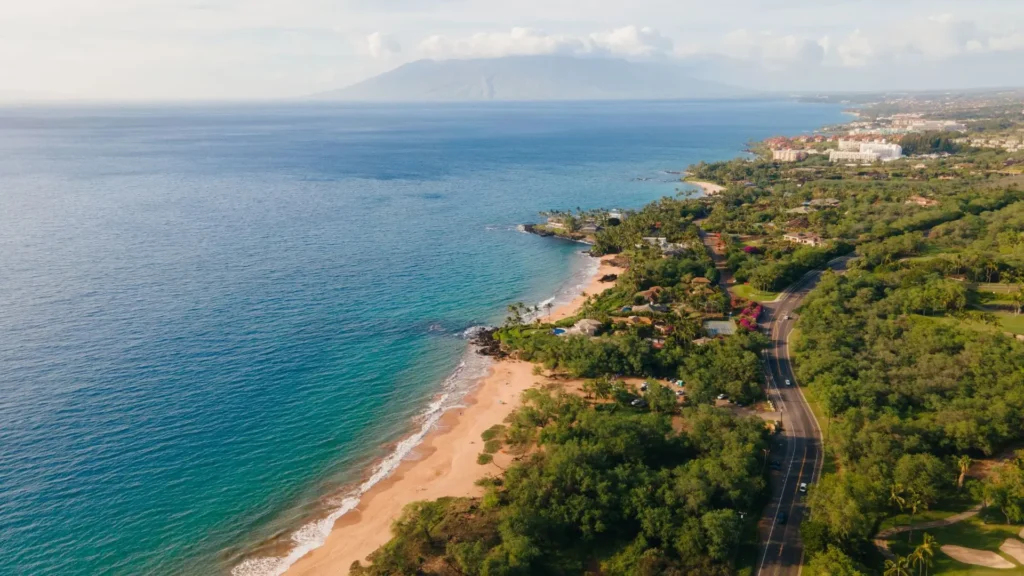
- Leeward areas (west and south, like Kihei and Lahaina) stay dry and sunny most of the year.
- Windward areas (north and east, like Hana) get more rain and lush green scenery.
- Haleakalā’s summit can be cold, sometimes near freezing at night, even though the beaches stay warm.
I learned this the hard way. I packed only shorts and t-shirts for a sunrise trip up the volcano. I froze. Now I always pack a light jacket, no matter the season, just for that one drive. See my full Hawaii packing list so you don’t make the same mistake.
Best Things to Do in Maui
After three trips, these are the spots I keep coming back to, plus a few I wish someone had told me about sooner.
1. Road to Hana
This winding coastal drive is packed with waterfalls, lookout points, and small towns. Give yourself a full day. Don’t rush it.
2. Haleakalā National Park
Watching the sunrise from the summit is something I’ll never forget. The sky turns colors I didn’t know existed. Book your reservation online in advance, since spots fill up fast. Check what needs a reservation in Maui before your trip so you don’t get turned away at the gate.
3. Molokini Crater
This crescent-shaped reef just off the coast has some of the clearest water I’ve ever snorkeled in. Book an early morning tour for the calmest conditions.
4. Kaanapali Beach
A classic, easy beach with soft sand and calm water. Great for families or a relaxed afternoon.
5. Iao Valley
Green cliffs rise up around a peaceful stream. It’s quiet, cool, and a nice break from the busier beach towns. If you’re curious about the area, read the full history of Iao Valley before you go. It makes the visit mean a lot more.
Unusual Things to Do in Maui (Hidden Gems)
Most guides repeat the same list. Based on what I’ve actually done on the ground, here are a few spots that don’t always make the popular lists. For an even deeper list, check out my full guide to Maui off the beaten path.
- Kepaniwai Park: A quiet garden near Iao Valley that honors Hawaii’s immigrant history. It’s free and almost always empty.
- Pua’a Ka’a State Wayside: Two small waterfalls right off the Hana Highway. Far less crowded than the famous Twin Falls.
- Kama’ole Beach Park III cove: My personal favorite beach on the island. Sea turtles hang out here often, and the water stays calm.
- Upcountry Maui farmers markets: Held on Saturdays in Kula and Makawao. I always grab fresh mango and local honey here.
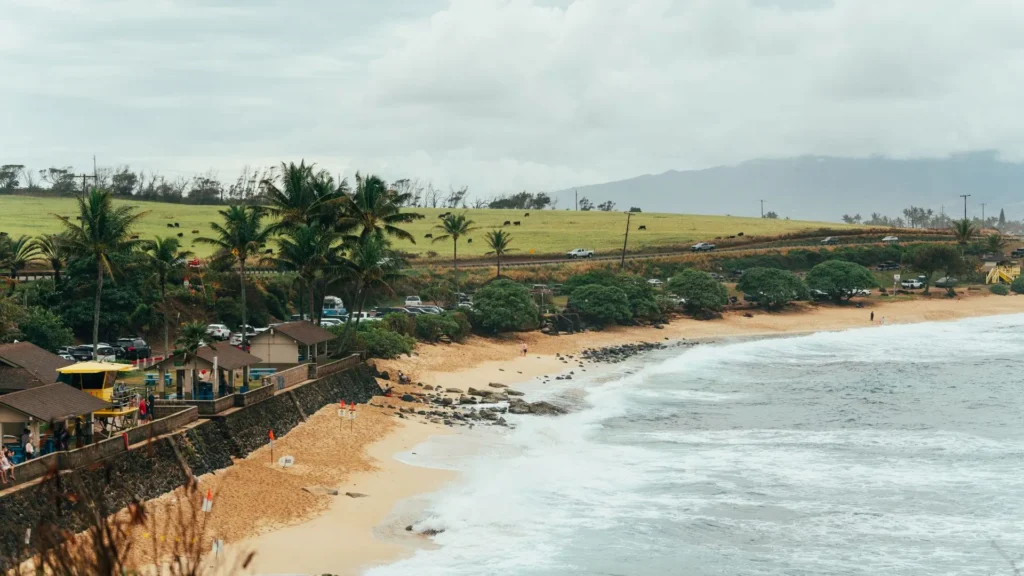
- Ho’okipa Beach Park: A surfer’s beach with sea turtles resting right on the sand. It’s easy to miss on the drive to Hana, but worth the stop.
- Gus’ Hawaiian Shave Ice: A small food truck in Kihei. Try the shave fruit. It’s better than regular shave ice, in my opinion.
Maui Thrift Stores
This is something almost no travel guide covers, but I love thrift shopping on every trip, and Maui has some real finds. Here are the ones locals and visitors both talk about:
- Savers (Kahului): The biggest thrift store on the island. Great for vintage aloha shirts and beach gear.
- Goodwill Hawaii (Kahului): Reliable prices and a wide selection.
- Salvation Army (Kahului): Known for deep discounts, especially on clothing.
- Ka Mana’olana Thrift Store: A smaller shop with a loyal local following.
- C.U.T. Market (Wailuku): More of a creative marketplace, with handmade goods mixed in with secondhand finds.
If you love vintage aloha shirts, thrift shopping in Hawaii is a different experience than on the mainland. You’ll find real island history on the racks, not mass-produced souvenirs.
More Places to See in Maui
If you have extra days, here are a few more spots I’ve added to my own list after each trip:
- Wai’anapanapa State Park: Home to a black sand beach and sea caves. It’s a short stop on the Road to Hana, but you need a reservation to park.
- Lahaina Town (Historical Note & Rebuilding): Lahaina was historically a vibrant waterfront area with shops and restaurants. Following the devastating August 2023 wildfires, the historic town center was largely destroyed, and it remains in an active phase of recovery and rebuilding as of 2026. Nearby resort areas like Kaanapali and Kapalua are open and welcoming visitors, and tourism dollars genuinely help the local economy. Please follow official local guidelines and be respectful if you drive through the area, since parts of it are still fenced off and not a photo opportunity.
- Makena Beach (Big Beach): A long, wide stretch of sand with fewer crowds than the resort beaches.
- Twin Falls: The first easy waterfall stop on the Road to Hana. Good for a quick swim before the long drive ahead.
- Waihe’e Ridge Trail: A tougher hike, but the ridge views over the ocean are some of the best on the island.
Whether you only have three days or a full week, these spots pair well with the must-do classics I listed above. I try to mix one “big name” spot with one quieter spot each day. It keeps the trip from feeling rushed, and it’s how I’ve found most of my own favorite memories on Maui.
Final Thoughts
Maui’s time zone is simple once it clicks: it’s always HST, always UTC-10, and the clocks never change. Once you know that, planning calls home, tours, and sunrise hikes gets a lot easier. Add in the warm weather almost every month of the year, plus hidden spots most visitors never find, and you’ve got everything you need for a smooth, well-timed trip to the Valley Isle.
I hope this guide saves you the confusion I had on my first morning here. Enjoy the island. And don’t forget that light jacket for Haleakalā.
If you’re island-hopping, check out my guide on how to travel from Oahu to Maui for flight times, ferry options, and cost.
Frequently Asked Questions
Maui is in Hawaii Standard Time (HST), which is UTC-10 all year round.
No. Hawaii does not change its clocks for daylight saving time.
Maui is 5 hours behind during winter and 6 hours behind during summer.
April, May, September, and October offer warm weather with smaller crowds and lower rain.
Yes. Haleakalā’s summit can be near freezing, even though the beaches stay warm all year.