Hawaii Packing List 2026: The Complete Checklist for What to Pack, Wear, and Bring

Packing for Hawaii feels harder than it should. One island can give you sun, rain, and cold mountain wind in the same day. I found this out the hard way on my first trip to Maui, when I hiked to the top of Haleakalā in shorts and a tank top and nearly froze at sunrise.
Since then, I have packed for six more Hawaii trips across Oahu, Maui, Kauai, and the Big Island. This guide is built from those trips, plus fresh 2026 travel rules that most packing lists still do not mention.
By the end of this article, you will know exactly what to pack for Hawaii, what to wear, what to leave at home, and which new 2026 rules could catch you off guard at the airport or the hotel front desk. Pairing this list with our guide to common Hawaii mistakes to avoid will save you even more stress once you land.
Quick Answer: What to Pack for Hawaii
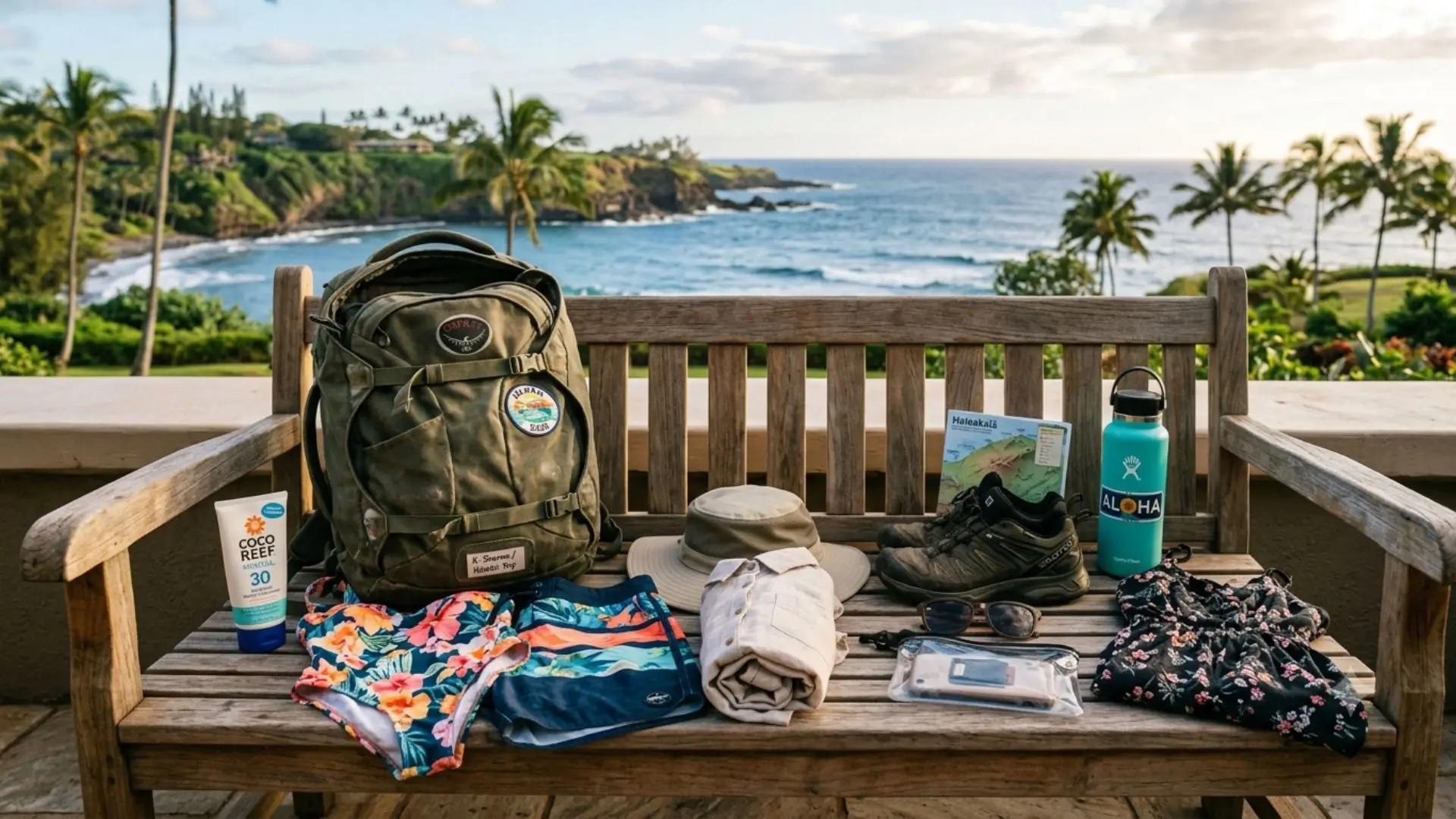
If you only have five minutes, here’s your short list:
- Reef-safe sunscreen (regular sunscreen is banned in Hawaii)
- 3–4 swimsuits
- Lightweight, breathable clothing (cotton, linen, or moisture-wicking fabric)
- One warm layer for volcano hikes or evening trade winds
- Comfortable walking or hiking shoes
- Reusable water bottle
- A REAL ID-compliant driver’s license or passport
- Reef-safe bug spray
- A dry bag for beach days and boat trips
Now let’s go deeper, island by island, activity by activity, so nothing gets left behind.
Before You Pack: 2026 Hawaii Travel Updates Nobody Else Is Telling You
Most Hawaii packing guides are outdated. Hawaii changed several rules in 2025 and 2026 that affect what you need to bring and how much your trip will cost. Here’s what’s new this year.
Since May 2025, the TSA has fully enforced the REAL ID Act. This means your regular driver’s license may not be enough to get through security, even for flights between Hawaiian islands like Honolulu, Maui, Kona, Hilo, and Lihue. Look for a small star in the top corner of your license.
If it’s not there, bring your passport instead. Keep your ID in a carry-on pocket you’ll actually remember, not in your checked bag or hotel safe, since you’ll need it again for inter-island flights. Starting January 1, 2026, Hawaii also began charging visitors a climate impact fee, nicknamed the “Green Fee.” It raised the state’s hotel and vacation rental tax from 10.25% to 11%. On a $400-a-night room, that’s about an extra $3 per night.
It’s automatic and already built into your bill, so you don’t need to pack anything for it, but it’s worth budgeting for when you plan your trip. Hawaii also protects its ecosystem with strict agricultural rules. When you fly home, your checked and carry-on bags may be screened. Fresh fruit, plants, and some flowers need inspection before they can leave the islands, and a few items are banned outright.
If you’re bringing home pineapples or coffee, buy from a shop that pre-packages items for travel, since they’ve already handled the inspection paperwork for you. One more thing worth knowing: parts of Lahaina on Maui are still recovering from the 2023 wildfires and remain closed to visitors out of respect for the community. Always check current advisories for the specific area you’re visiting before building your itinerary.
How Much to Pack for a 2-Week Trip to Hawaii
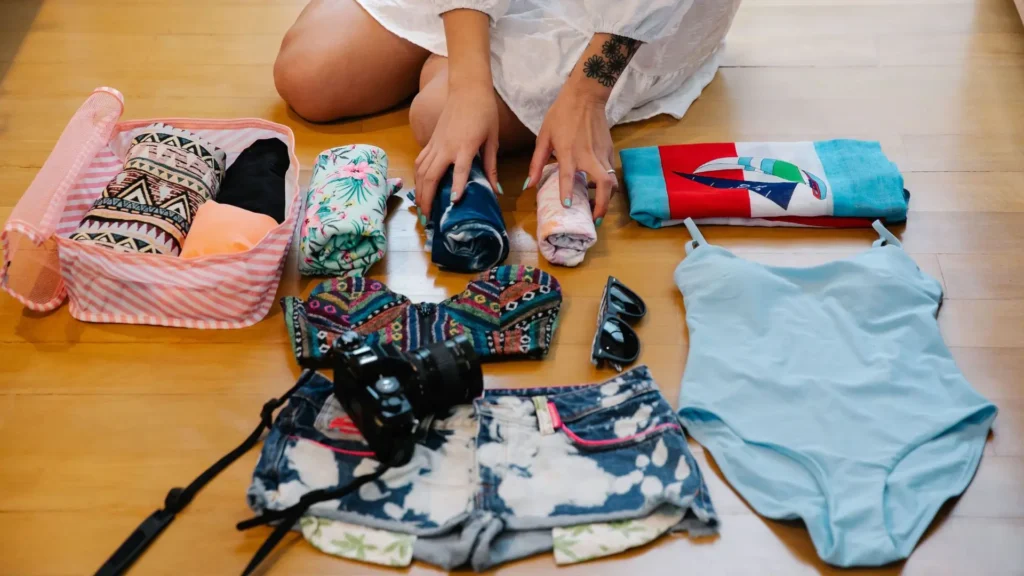
A two-week Hawaii trip does not mean packing double what you’d bring for one week. Hawaii’s laid-back culture means you can repeat outfits, and most accommodations have laundry access or a nearby laundromat. For a 2-week trip, a good target is 7 to 8 tops, 4 to 5 bottoms, 4 swimsuits, 2 to 3 evening outfits, one warm layer, and 2 to 3 pairs of shoes.
Pack enough underwear and socks for about 7 days, then plan to do one load of laundry midway through. This “one week of clothes, wash halfway through” rule works whether you’re staying 7 days or 14, and it keeps your suitcase light enough for a carry-on.
Hawaii Packing List: The Essentials
These are the items every trip needs, no matter which island you’re visiting or what you have planned. Start with reef-safe sunscreen, since Hawaii banned sunscreens with oxybenzone and octinoxate because they damage coral reefs, so check the label before you buy.
A reusable water bottle matters more here than on most trips, since the heat and humidity mean you’ll drink more than usual, and refill stations are common at airports and trailheads. A dry bag keeps your phone, wallet, and camera safe at the beach or on a boat tour, and it’s one of those items people always wish they’d brought.
If you plan to snorkel, bring your own mask and snorkel set for a better fit than a rental, along with a small bottle of anti-fog spray, since foggy goggles ruin more snorkel trips than anything else. Pack two pairs of sunglasses in case one gets lost or scratched, and bring a quick-dry, sand-resistant travel towel, which packs down far smaller than a regular beach towel.
You’ll also want a large beach bag for towels and sunscreen, a day pack for hikes and waterfalls, and a portable charger, since you’ll be taking a lot of photos and outlets aren’t always nearby on the trail. Reef-safe bug spray is worth packing too, especially near waterfalls and on the wetter, greener sides of each island.
Finally, bring water shoes, since Hawaii’s beaches often hide sharp coral and volcanic rock under the sand, and a collapsible cooler bag if you plan on bringing your own drinks and snacks to the beach.
What to Wear in Hawaii: A Complete Clothing Guide
Hawaii’s weather isn’t one thing. Coastal areas stay warm and dry most of the year, while spots like Hāna on Maui or the Nāpali Coast on Kauai see rain nearly every day. Check our detailed Oahu weather guide before you finalize your suitcase, since conditions can shift by month and by coastline. Here’s how to dress for each part of your trip.

Beachwear
Beach time will likely take up most of your Hawaii vacation, so don’t skimp here. Pack 3 to 4 swimsuits, including one athletic or sturdy one-piece for rougher surf, plus a cover-up, sarong, or oversized shirt, and a pair of waterproof sandals or flip-flops.
Everyday Clothes to Wear in Hawaii
For casual sightseeing, walking around town, or grabbing lunch, breathable tank tops and short-sleeve shirts work best, since cotton and linen breathe better than synthetic fabrics in the humidity.
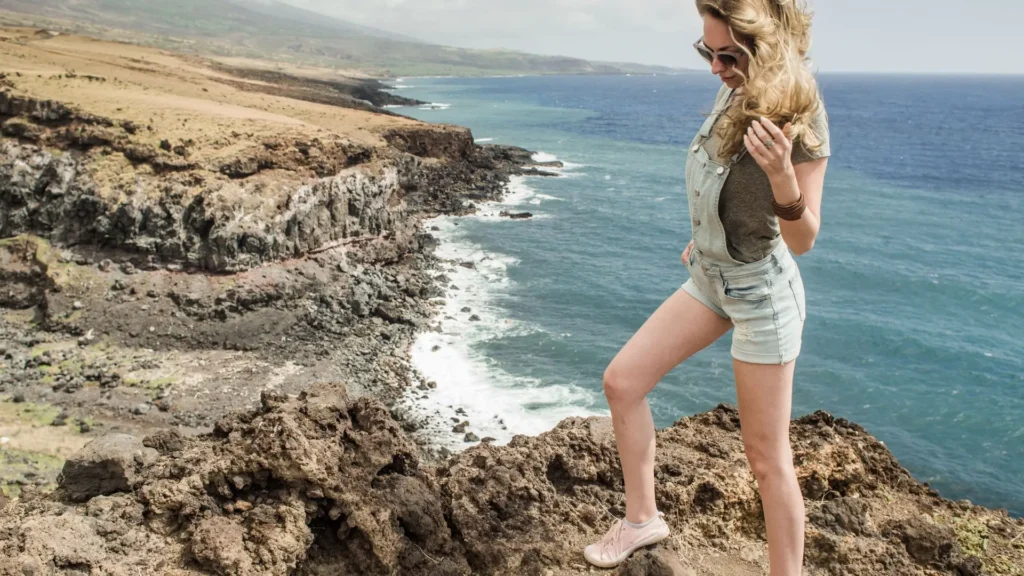
Bring lightweight shorts for daytime, one pair of lightweight pants for cooler evenings or air-conditioned restaurants, and a casual dress or two that doubles as a beach cover-up. Avoid denim and heavy fabrics. They trap heat and take forever to dry if they get wet or sweaty.
Clothing for Hiking in Hawaii
Hawaii’s hikes are more demanding than they look in photos. Trails can be muddy, rocky, and exposed to full sun with almost no shade. Before you go, check our full breakdown of Oahu’s best hikes so you know what kind of terrain you’re dressing for.
Trail runners or hiking shoes with real grip matter more than regular sneakers, which aren’t enough for volcanic terrain, and moisture-wicking hiking socks will save your feet on longer trails. A sun shirt with UPF protection helps on shadeless trails, paired with a sports bra and athletic top, and athletic shorts or leggings on the bottom.
Add a wide-brim hat or cap, a small first-aid kit, and a warm layer for high-elevation hikes like Haleakalā on Maui, where sunrise temperatures can drop close to freezing.
Resort and Evening Wear
Hawaii evenings call for something a little nicer than beachwear, especially for dinner, a luau, or a sunset cruise. Pack 2 to 3 sundresses or resort-casual outfits, or a button-down shirt for men, along with comfortable dressy sandals. A light cardigan or wrap is worth adding too, since air-conditioned restaurants can feel surprisingly cold after a hot day outside.
What to Wear to a Luau
If your luau is run by a tour company, they’ll usually tell you the dress code in advance. As a rule, bright, colorful clothing works best. Think Hawaiian shirts, floral dresses, or anything festive. Avoid all-black outfits, which tend to look out of place at a luau. For a full breakdown of dos and don’ts, see our dedicated guide on what to wear to a luau.
Toiletries to Pack for Hawaii
Bring shampoo, conditioner, and body wash, though a solid shampoo bar saves space and avoids liquid limits at security. Pack face sunscreen for daily wear, plus a leave-in conditioner or hair mask to protect against sun and saltwater damage. Aloe vera gel is worth having on hand for sunburn relief, along with lip balm with SPF. Round things out with basic first-aid items like blister pads, motion sickness tablets, and any personal medication you take regularly.
Electronics to Pack for Hawaii
A phone charger is obvious, but bring two cables if you’re traveling with others so you’re not fighting over one outlet. A portable power bank and a car charger for your rental car will keep you covered on long driving days. If you want good underwater photos, pack a waterproof phone case or a GoPro for snorkeling.
Corded headphones are easy to forget but worth packing, since most airplane entertainment systems don’t support Bluetooth. International visitors should also bring a universal adapter.
Travel Documents: What You Actually Need in 2026
US citizens need a REAL ID-compliant driver’s license, state ID, or valid passport, proof of car insurance if renting a car (see our Hawaii car rental guide for what’s actually required), travel insurance documents, and a digital and printed copy of your accommodation confirmation.
International visitors need a valid passport, a valid US visa or ESTA approval, proof of car insurance for rental cars, and travel insurance, which is strongly recommended given how high US healthcare costs can run.
Packing by Island: What Changes Where You Go
Every island has its own personality, and that affects what you’ll actually use. Still deciding where to go? Our Maui vs. Kauai comparison breaks down which island fits your trip style best.
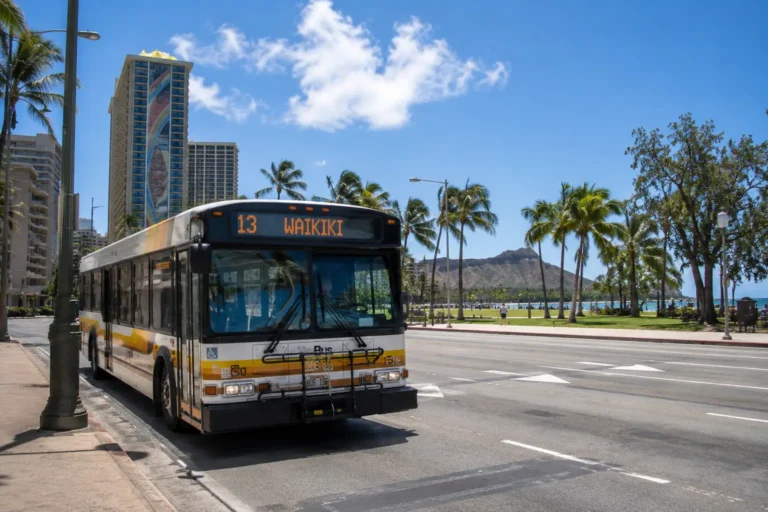
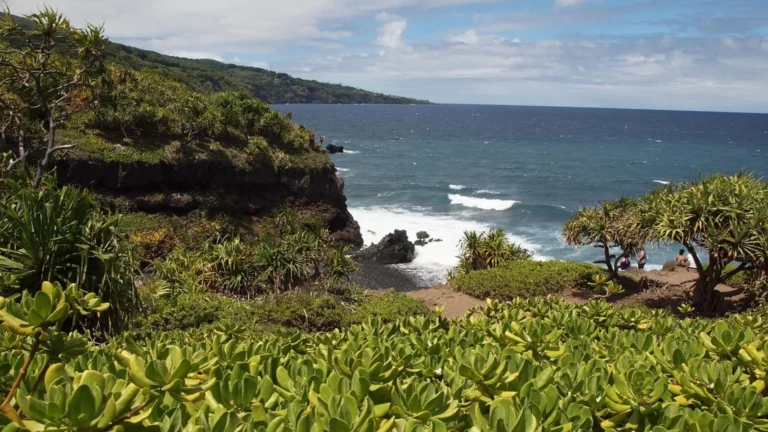
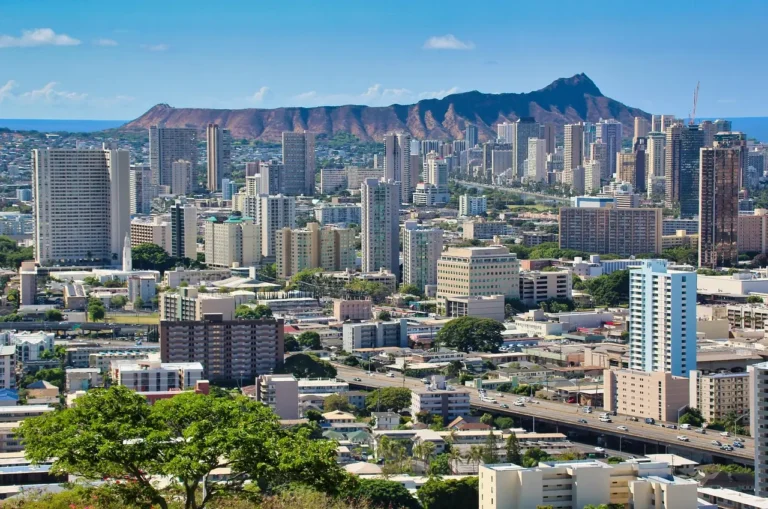
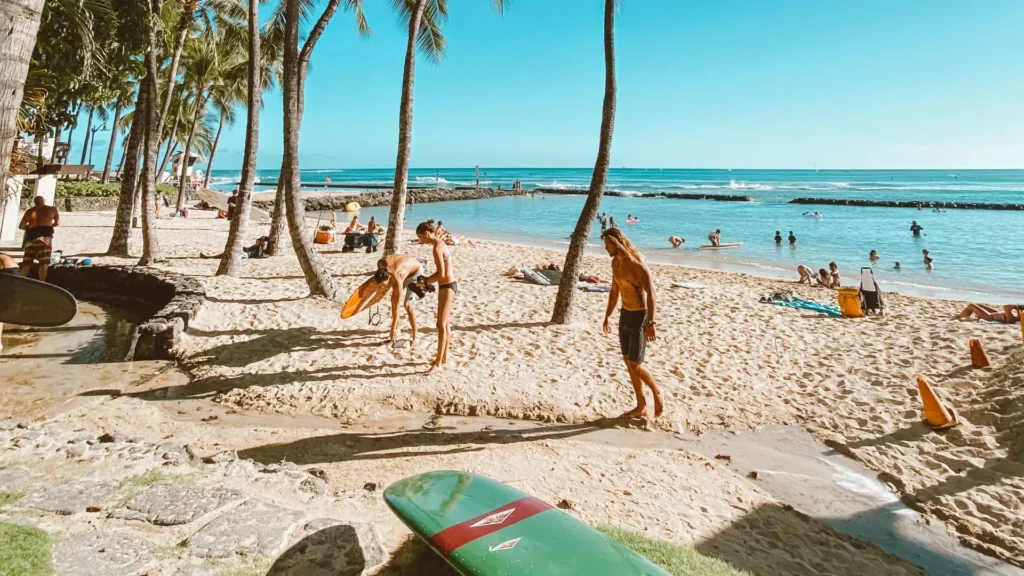
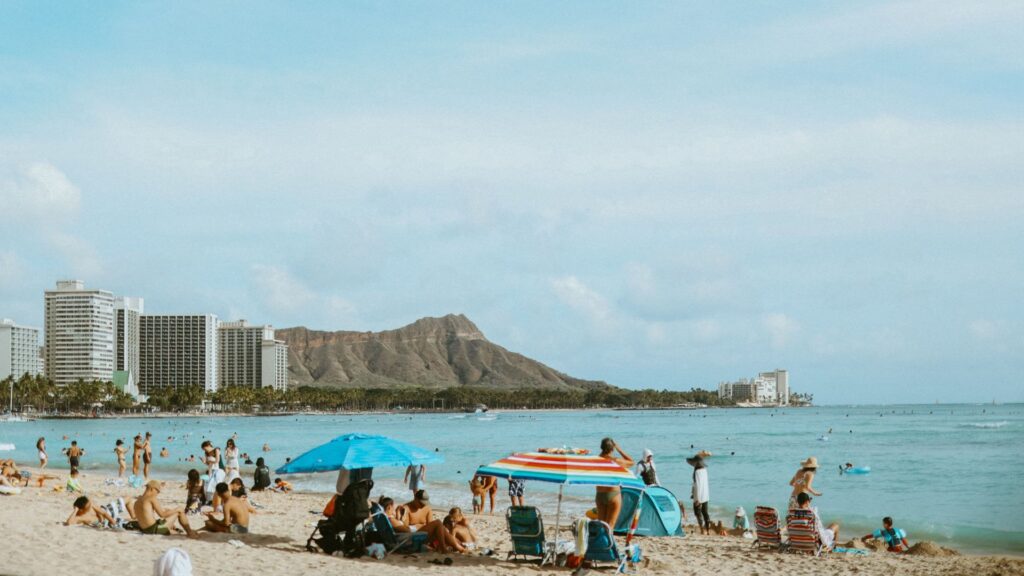
On Oahu, pack for city walking in Waikiki and Honolulu, plus beach gear for the North Shore, and bring one nicer outfit for dinner in town. On Maui, add a warm layer for Haleakalā sunrise trips and rain-ready shoes if you’re driving the Road to Hāna. Kauai is the wettest island, so a light rain jacket, quick-dry clothing, and sturdy hiking shoes for the Nāpali Coast trails are worth the extra suitcase space.
On the Big Island, temperatures swing the most, from beach heat to near-freezing air at Mauna Kea’s summit, so bring layers, closed-toe shoes for lava fields, and a warm jacket if you’re stargazing at the summit.
What NOT to Pack for Hawaii
A good packing list also tells you what to leave behind. Skip regular, non-reef-safe sunscreen, since it’s banned and will just get confiscated or wasted. Leave heavy jeans and denim jackets at home, since they’re too hot for most of the trip. Umbrellas aren’t worth the space either, since locals mostly skip them and use a light rain shell instead.
High heels rarely get used, because Hawaii’s dress code is casual almost everywhere, even at nicer restaurants. You can also leave a full-size hair dryer or straightener behind, since most hotels provide one. And try to resist packing too many shoes. Three pairs, sandals, sneakers or trail runners, and one dressier pair, covers almost every activity.
Sample 2-Week Hawaii Packing List by Category
Clothing: 8 tops, 5 bottoms, 4 swimsuits, 3 evening outfits, 1 warm layer, sleepwear Shoes: Waterproof sandals, trail runners, one dressy pair Beach gear: Towel, dry bag, snorkel set, water shoes, beach bag Toiletries: Reef-safe sunscreen, shampoo bar, aloe vera, SPF lip balm Electronics: Phone charger, power bank, underwater case, headphones Documents: REAL ID or passport, insurance proof, rental car confirmation
Hawaii Packing List FAQs
What should I wear in Hawaii as a woman? Casual, breathable clothing works best. Pack sundresses, shorts, swimsuits, and one or two resort-casual outfits for dinner. Skip anything heavy, tight, or dressy for the daytime.
How many outfits do I need for a week in Hawaii? Plan for about 7 tops, 4 bottoms, 3 swimsuits, and 2 evening outfits. You can repeat swimsuits and shorts more than once since you’ll mostly be in and out of the water.
Do I need a passport to go to Hawaii? No, if you’re a US citizen flying from the mainland. You’ll need a REAL ID-compliant driver’s license or another TSA-approved ID instead. International visitors do need a valid passport and, in most cases, a visa or ESTA.
Is regular sunscreen allowed in Hawaii? Sunscreens containing oxybenzone or octinoxate are banned in Hawaii to protect coral reefs. Always pack reef-safe sunscreen, and check the label before your trip.
Should I pack a rain jacket for Hawaii? It depends on the island and the specific area. Kauai and Hāna on Maui see rain often, so a light rain jacket is worth packing. Drier coastal areas like Waikiki rarely need one.
What shoes should I bring to Hawaii? Three pairs cover most trips: waterproof sandals for the beach, trail runners for hikes, and one dressier pair for evenings out.
How much extra should I budget for Hawaii’s new travel fees in 2026? The new Green Fee adds about $3 per night on a $400 hotel room, based on the 0.75% tax increase that took effect January 1, 2026. It’s built into your bill automatically.
Final Thoughts
Hawaii rewards travelers who pack light but pack smart. Bring reef-safe products, one warm layer, comfortable shoes, and the right ID, and you’ll spend less time worrying about your suitcase and more time in the water. Every island trip I’ve taken has taught me to pack a little differently, but these essentials have made the final cut every single time. Still finalizing your dates? Check our best time to visit Oahu guide to pair your packing list with the right season. Have a great trip, and travel with aloha.
Hawaii Packing List FAQs
Casual, breathable clothing works best. Pack sundresses, shorts, swimsuits, and one or two resort-casual outfits for dinner. Skip anything heavy, tight, or dressy for the daytime.
Plan for about 7 tops, 4 bottoms, 3 swimsuits, and 2 evening outfits. You can repeat swimsuits and shorts more than once since you’ll mostly be in and out of the water.
No, if you’re a US citizen flying from the mainland. You’ll need a REAL ID-compliant driver’s license or another TSA-approved ID instead. International visitors do need a valid passport and, in most cases, a visa or ESTA.
Sunscreens containing oxybenzone or octinoxate are banned in Hawaii to protect coral reefs. Always pack reef-safe sunscreen, and check the label before your trip.
It depends on the island and the specific area. Kauai and Hāna on Maui see rain often, so a light rain jacket is worth packing. Drier coastal areas like Waikiki rarely need one.