
Population in Oahu, Hawaii: 2026 Guide
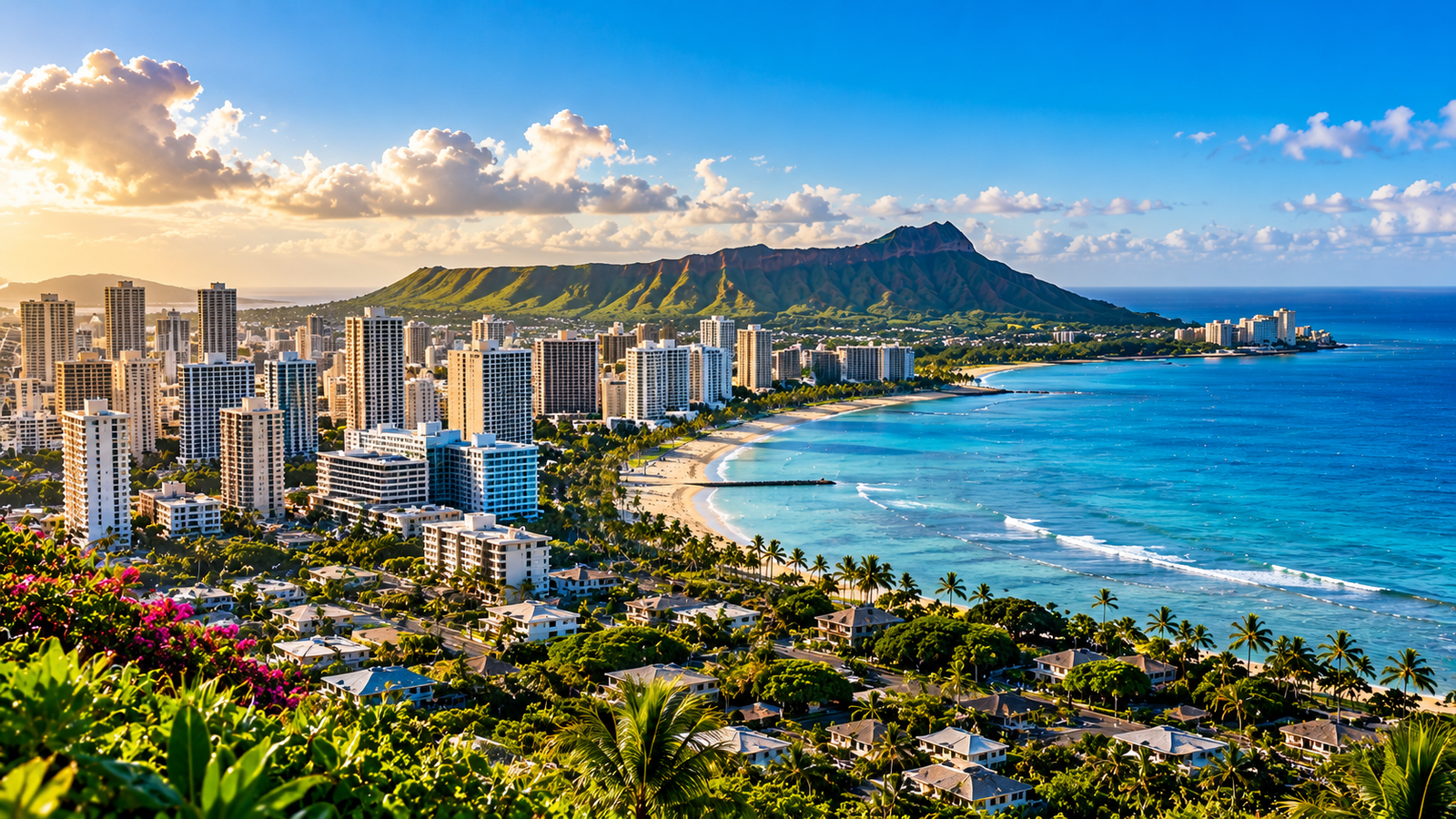
The population in Oahu, Hawaii, is an important part of understanding what makes the island unique. Oahu combines a major urban center in Honolulu with residential neighborhoods, rural communities, military installations, agricultural areas, and popular visitor destinations.
For travelers, population figures help explain why Oahu has a more developed urban environment than some of Hawaii’s other islands. The island offers extensive shopping, public transportation, restaurants, and services while also providing access to beaches, mountains, and quieter coastal communities.
According to the U.S. Census Bureau, Honolulu County had an estimated population of 988,703 on July 1, 2025. This is the latest county-level estimate available in the cited Census Bureau QuickFacts data. Honolulu County is commonly used as a broad statistical reference for Oahu, although county and island geographic boundaries are not identical in every dataset.
In this guide, you will learn about Oahu’s population, Honolulu’s role, the island’s communities, demographic characteristics, and what these facts mean for visitors.
What Is the Population of Oahu, Hawaii?
The most useful current official reference is Honolulu County, Hawaii, which had an estimated 988,703 residents in 2025. The 2020 decennial census recorded 1,016,508 residents in the county. These figures come from the U.S. Census Bureau.
The difference between a census count and a later population estimate is important. A decennial census counts residents at a specific point in time, while annual estimates are calculated using demographic data and updated methods.
You can check the latest figures on the official U.S. Census Bureau QuickFacts page for Honolulu County.
Oahu Population vs. Honolulu County Population
Oahu is an island, while Honolulu County is a county-level statistical area used in official population reporting. Many general references use Honolulu County’s population to describe Oahu because Honolulu County encompasses the island’s main population centers.
However, be careful when comparing statistics from different sources. Some datasets report the island, some report Honolulu city or urban areas, and others report the entire county. These geographic units should not automatically be treated as interchangeable.
For a reliable comparison, check the geographic definition and reference year provided with each population figure.
Has Oahu’s Population Increased or Decreased?
Population trends depend on the years being compared and the data source used.
The 2010 decennial census recorded 953,207 residents in Honolulu County. The 2020 census recorded 1,016,508. The Census Bureau’s July 2025 estimate was 988,703. These figures show that the county’s population increased between the 2010 and 2020 censuses, then was estimated below its 2020 census count in the 2025 estimate series.
| Reference year | Honolulu County population |
|---|---|
| 2010 census | 953,207 |
| 2020 census | 1,016,508 |
| July 2025 estimate | 988,703 |
Source: U.S. Census Bureau QuickFacts.
Population change can reflect births, deaths, people moving to Hawaii, and residents moving elsewhere. Estimates can also be revised as new information becomes available.
For this reason, use the reference year alongside any population number rather than presenting an older figure as the current population.
Where Do Most People Live on Oahu?
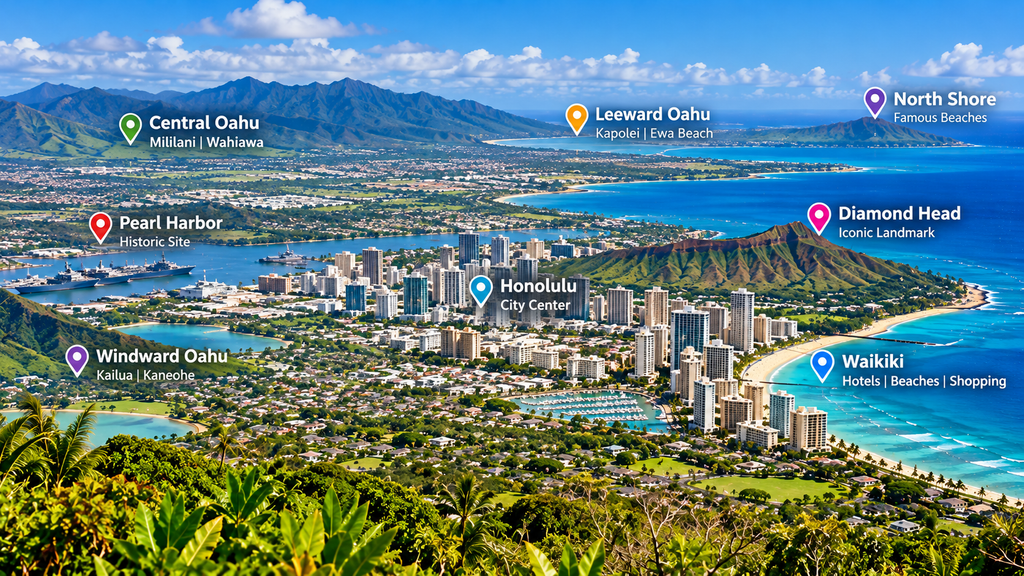
Oahu’s population is concentrated around Honolulu and the island’s developed residential and commercial corridors. Other communities are spread along the southern, central, windward, and leeward parts of the island.
Honolulu
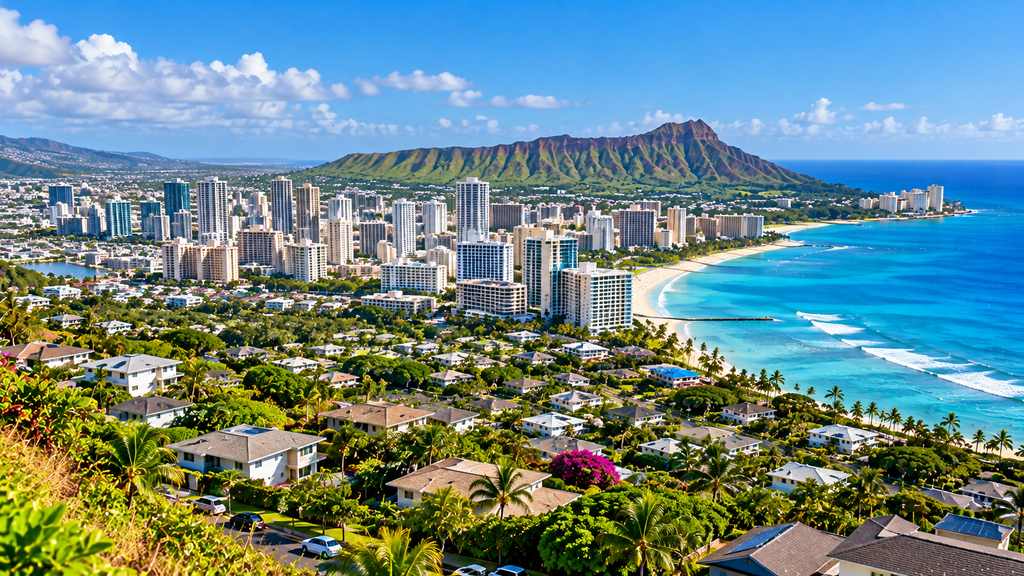
Honolulu is Hawaii’s state capital and the island’s main urban center. It contains a large concentration of homes, businesses, government offices, educational institutions, hospitals, restaurants, and visitor services.
For tourists, Honolulu provides access to Waikiki, shopping areas, museums, dining, and major transportation connections.
Waikiki
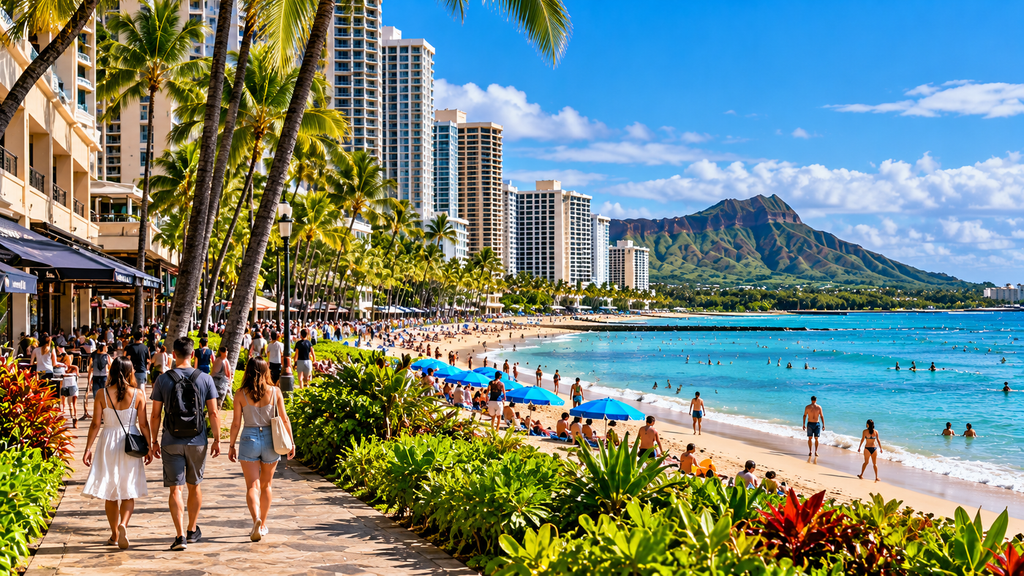
Waikiki is a well-known visitor district within Honolulu. Hotels, restaurants, shops, and beach access make it one of Oahu’s most recognizable tourism areas.
Although it attracts many visitors, Waikiki is also part of the island’s broader urban environment. Its daytime and seasonal activity levels may differ from those of permanent residential neighborhoods.
Windward Oahu
The windward side includes communities such as Kailua and Kaneohe. This part of the island is known for coastal scenery, residential neighborhoods, mountain views, and outdoor recreation.
Travel times can vary depending on traffic, weather, and the route taken.
Leeward and Central Oahu
Leeward communities include areas such as Kapolei and Ewa Beach, while central Oahu includes communities such as Mililani and Wahiawa. These areas have residential neighborhoods, shopping centers, schools, and other everyday services.
Visitors exploring beyond Honolulu can experience different settings and travel conditions across the island.
What Is the Population Density Like on Oahu?
Oahu has a mixture of densely developed urban areas and less densely populated rural or protected areas. Honolulu and Waikiki have a more urban feel, while parts of the North Shore, windward coast, and central interior have different development patterns.
Population density is calculated by dividing the number of residents by the land area being measured. The result can differ substantially depending on whether the calculation covers the entire island, a county, a city district, or a specific neighborhood.
For this reason, a single island-wide density figure does not fully describe how crowded every part of Oahu feels.
Visitors may encounter busy roads and crowded attractions in popular areas while finding quieter settings elsewhere, depending on the time of day, season, and location.
What Are the Demographics of Honolulu County?
Census Bureau QuickFacts provides demographic information for Honolulu County. Its 2020–2024 estimates report that approximately 42.6% of residents identified as Asian alone, 10.2% as Native Hawaiian and Other Pacific Islander alone, 20.9% as White alone, and 23.4% as two or more races. Hispanic or Latino residents accounted for approximately 10.1% of the population.
These categories are reported according to Census Bureau definitions and should not be added together as though every category were mutually exclusive. Hispanic or Latino origin, for example, can overlap with racial categories.
The figures help illustrate the diversity of Honolulu County. Hawaii’s cultural landscape has been shaped by Native Hawaiian history, migration, immigration, and generations of cultural exchange.
For visitors, it is worth approaching local communities with respect, learning about Native Hawaiian culture from reputable sources, and following local guidance at cultural and historical sites.
Source: U.S. Census Bureau QuickFacts.
How Does Oahu’s Population Affect Tourists?
Oahu’s population and development influence the practical experience of visiting the island.
Transportation and Traffic
The concentration of residents, businesses, and visitors around Honolulu means traffic can be heavy, especially during commuting periods and on popular routes.
When planning activities, allow extra travel time and check current traffic conditions. A destination that looks close on a map may take longer to reach during busy periods.
Hotels, Restaurants, and Shopping
Oahu has a wide range of accommodation, dining, grocery stores, and shopping options because it serves both residents and visitors. Availability and prices still vary by neighborhood, season, and demand.
If you plan to prepare some of your own meals, see our guide to Oahu grocery prices for tourists for budgeting considerations.
Beaches and Popular Attractions
Well-known places can become busy during weekends, holidays, and peak travel periods. Visiting early, checking reservation requirements, and respecting posted rules can make outings easier.
Always check ocean conditions before swimming and confirm current access information for trails, parks, and cultural sites.
Visiting Beyond Honolulu
Exploring other parts of Oahu can provide a broader picture of the island’s communities and landscapes. However, rural or less-developed areas may have fewer services and longer distances between facilities.
Plan fuel, meals, transport, and activity times in advance, and respect residential areas when parking or visiting local beaches.
Is Oahu More Populated Than Other Hawaiian Islands?
Oahu is generally recognized as Hawaii’s main population and urban center. Honolulu is the state’s largest city, and the island has a substantial concentration of government, business, transportation, and tourism services.
For a meaningful numerical comparison, use population estimates from the same year and the same geographic level. Comparing Oahu with an entire county on another island, or comparing an island with a city district, can lead to misleading conclusions.
The Hawaii State Data Center publishes official population information and links to Census Bureau estimates. You can explore its resources at the Hawaii State Data Center.
Frequently Asked Questions
What is the population of Oahu, Hawaii, in 2026?
The latest cited U.S. Census Bureau estimate is 988,703 for Honolulu County as of July 1, 2025. A finalized 2026 population estimate is not provided in that source, so this figure should be identified by its 2025 reference date rather than described as an exact 2026 count.
Is Honolulu the same as Oahu?
No. Oahu is an island, while Honolulu is the state capital and the main urban center on the island. Honolulu County is a broader statistical area commonly used as a population reference for Oahu.
Is Oahu the most populated Hawaiian island?
Oahu is widely recognized as Hawaii’s principal population center. For exact island-by-island comparisons, use official figures from the same year and consistent geographic definitions.
Where do most residents of Oahu live?
A large share of the island’s population lives in and around Honolulu and other developed residential corridors. Communities also extend through central, windward, and leeward Oahu.
Is Oahu crowded for tourists?
Popular districts such as Waikiki and busy roads around Honolulu can feel crowded, particularly during peak periods. Other areas may be quieter, but conditions depend on location, timing, and current visitor activity.
Where can I find official Oahu population statistics?
Start with the U.S. Census Bureau QuickFacts page for Honolulu County and the Hawaii State Data Center. Check each source’s geographic definition and reference year.
Final Thoughts
The population in Oahu, Hawaii, helps explain the island’s mix of urban services, residential communities, and natural landscapes. The U.S. Census Bureau estimated Honolulu County’s population at 988,703 in July 2025, while the 2020 census counted 1,016,508 residents.
These figures provide a useful starting point, but the geographic area and reference date matter when interpreting population data. For visitors, understanding Oahu’s communities can help with transportation planning, choosing where to stay, and deciding which parts of the island to explore.
Before your trip, check official population sources for updated statistics and use current local information to plan your activities.

One Comment