Budget Travel Tips for Expensive Cities in the USA (2026 Guide)

Budget travel tips for expensive cities in the USA can help you enjoy some of America’s most exciting destinations without letting high prices ruin your trip. Cities such as New York, San Francisco, and Honolulu have a reputation for expensive hotels, meals, transportation, and attractions, but smart planning can make a noticeable difference.
The truth is that you do not always need a huge travel budget to experience an expensive American city. Choosing the right neighborhood, traveling at the right time, using public transportation, finding affordable places to eat, and taking advantage of free attractions can all help lower your overall costs.
In this guide, we will look at practical ways to save money in expensive U.S. destinations, with a special focus on Oahu, Hawaii. From accommodation and transportation to food and activities, you will learn how to spend less while still enjoying the experiences that make these destinations worth visiting.
No unrealistic promises or made-up statistics—just practical strategies you can use to plan a more affordable trip.
How Much Does It Actually Cost to Travel the USA?
This is the question everyone asks before they book anything, so let’s answer it directly.
Hotel research from Budget Your Trip and industry pricing trackers puts the average US hotel cost around $171 per night in 2026, though that number swings wildly by city. A hostel dorm bed averages closer to $37 a night nationally, and some markets run even cheaper.
Add food, transportation, and a couple of paid attractions, and a realistic budget traveler in a mid-size US city can get by on $80 to $130 a day. In the most expensive cities, that number climbs. It doesn’t have to climb as much as people assume, though, and that’s really the whole point of this article.
The Most Expensive Budget-Friendly US Cities (Yes, That’s Not a Contradiction)
A handful of cities show up on every “most expensive” list: New York City, San Francisco, Boston, Los Angeles, and Honolulu on the island of Oahu. All five can drain a wallet fast if you travel on autopilot. All five also have cheap corners, if you know where to look.
New York City hotels average somewhere between $225 and $289 a night depending on the season and neighborhood, according to Budget Your Trip’s 2026 analysis. Budget hotel rooms in the city, though, average closer to $70 to $130, which is a very different trip than the Times Square rate everyone quotes.
Oahu is the city (well, island) most people ask about specifically, so it gets its own section below. Short version: it’s genuinely one of the toughest places in America to travel cheap, but not an impossible one.
Oahu, Hawaii: The Real Test for Budget-Friendly US Cities
Honolulu and the rest of Oahu deserve extra attention here, partly because so many travelers assume Hawaii is simply out of reach on a budget.
It isn’t out of reach. It’s just expensive in specific, predictable ways.
Hotel prices on Oahu average around $320 a night, according to Budget Your Trip’s 2026 hotel data, with high season rates climbing past $590. Budget hotels on the island start closer to $180, and that’s before hidden extras. Hawaii added a 0.75% climate resiliency tax in 2026 on top of the state’s existing 14.96% hotel tax, and many Waikiki hotels still charge separate resort fees and parking fees in the $30 to $50 per day range. A $180 “budget” room can quietly turn into $230 once everything lands on the bill.
A realistic budget travel Oahu daily estimate, per travel cost researchers covering Honolulu in 2026, runs about $95 to $165 per person when two people split a $90 to $135 budget hotel room, eat plate lunch meals, ride TheBus, and spend their days at free beaches.
That last part matters more than people think. Oahu’s most famous experiences- watching the sunrise at Waikiki Beach, walking through Kapiolani Park, snorkeling at a public beach- cost nothing beyond getting yourself there. The island’s beauty isn’t behind a paywall. The hotel is where your money actually goes.
Cheap Accommodation in USA: Where to Actually Sleep
Accommodation eats the biggest chunk of any US travel budget, so this is where smart choices save the most money.
Hostels are the obvious starting point. National average dorm bed prices sit around $37 a night, per Budget Your Trip’s 2026 data, with private hostel rooms averaging around $130. In cities like New York, Los Angeles, and Chicago, the hostel scene has genuinely improved. Chains like HI USA and Generator now run properties with proper coffee bars and coworking spaces, not just bunk beds and a suspicious shared bathroom.
Budget hotels are the second option, and the gap between “average” and “budget” pricing in every one of these cities is bigger than most travelers expect. In New York, the average hotel runs around $225 to $289, but the budget hotel average sits closer to $70 to $130. That’s not a small difference. That’s the difference between a weekend trip and a week-long one.
A few accommodation tips that actually hold up:
- Book 60 days ahead when possible. KAYAK’s booking data for Honolulu shows this window consistently returns the best rates on budget hotels.
- Stay slightly outside the tourist core. A hotel a few blocks from Waikiki or a few subway stops from Manhattan can cost 30% to 40% less, per 2026 hotel cost research, with only a short commute added to your day.
- Travel Sunday to Thursday when you can. Weekend nights consistently price higher across nearly every major US hotel market, including New York and Honolulu.
- Watch for resort fees before you book, not after. They rarely show up in the headline price, especially in Hawaii.
Affordable Transportation in USA (Skip the Rental Car When You Can)
Renting a car feels like the default in America, but in dense, expensive cities it’s often the most expensive way to get around, once you add parking, gas, and insurance.
In New York City, the subway and local bus fare is a flat $3 per ride as of 2026, per the MTA, with unlimited free transfers within a weekly $35 cap through the OMNY tap-to-pay system. That means a tourist who rides the subway regularly for a week never pays more than $35 total for transit, no matter how much they explore.
On Oahu, TheBus and the Skyline rail system charge $3 for a two-hour pass when paid with a HOLO card, according to Honolulu’s Department of Transportation Services, with unlimited transfers included in that window. A 3-day visitor pass costs $20, and a 7-day pass runs $45. For a first-time visitor without a rental car, that’s a genuinely workable way to reach Waikiki, Diamond Head, and most of the south shore without ever calling a rideshare.
For getting between cities, Amtrak, Greyhound, and Megabus remain some of the cheapest ways to travel America, especially on routes booked a few weeks in advance. Overnight buses aren’t glamorous, but they double as a night’s accommodation, which is a budget hack in itself.
A quick reality check on rideshares: a short Uber or Lyft trip from Waikiki to Diamond Head runs $16 to $22 one way, per recent 2026 pricing data. The bus covers the same route for $3. That gap adds up fast over a week.
Budget-Friendly Restaurants: Cheap Eats in Expensive Cities
Food is where budget travel tips for USA trips either work or completely fall apart, because eating three restaurant meals a day in any of these cities gets expensive quickly.
In Hawaii, the plate lunch is the local budget traveler’s best friend. It’s a hearty, affordable meal built around rice, macaroni salad, and a protein, sold at food trucks and small local counters across Oahu rather than at hotel restaurants. It’s cheaper, faster, and honestly more authentic than most sit-down options in Waikiki.
The same logic applies everywhere else. A few habits that work in any expensive US city:
- Eat like a local, not like a tourist. Food trucks, delis, and neighborhood spots a few blocks from the main strip almost always beat restaurants sitting on the main tourist avenue.
- Use grocery stores for breakfast and snacks. A hotel room with even a mini-fridge turns a $15 breakfast into a $5 one.
- Look for lunch specials. Many sit-down restaurants in cities like New York and San Francisco offer a lunch menu at half the dinner price for nearly identical food.
- Farmers markets exist in almost every major city and are one of the most underrated cheap eats in expensive cities. Fresh, cheap, and a good way to see a neighborhood at the same time.
None of this means skipping the occasional splurge meal. It means not doing it three times a day.
Free Things to Do in USA (Even in the Priciest Cities)
Here’s the part that surprises a lot of first-time visitors: the best things to do in expensive US cities are frequently free.
Public beaches across Oahu, including Waikiki, cost nothing to enjoy. Kapiolani Park, right next to Waikiki, is free and makes an easy full afternoon. Diamond Head, the famous crater hike, does charge non-residents a $5 entry fee plus $10 parking if driving, according to Hawaii’s Division of State Parks, but that’s a small price for one of the best views on the island, and it’s reachable by TheBus for a few dollars more if you skip the rental car.
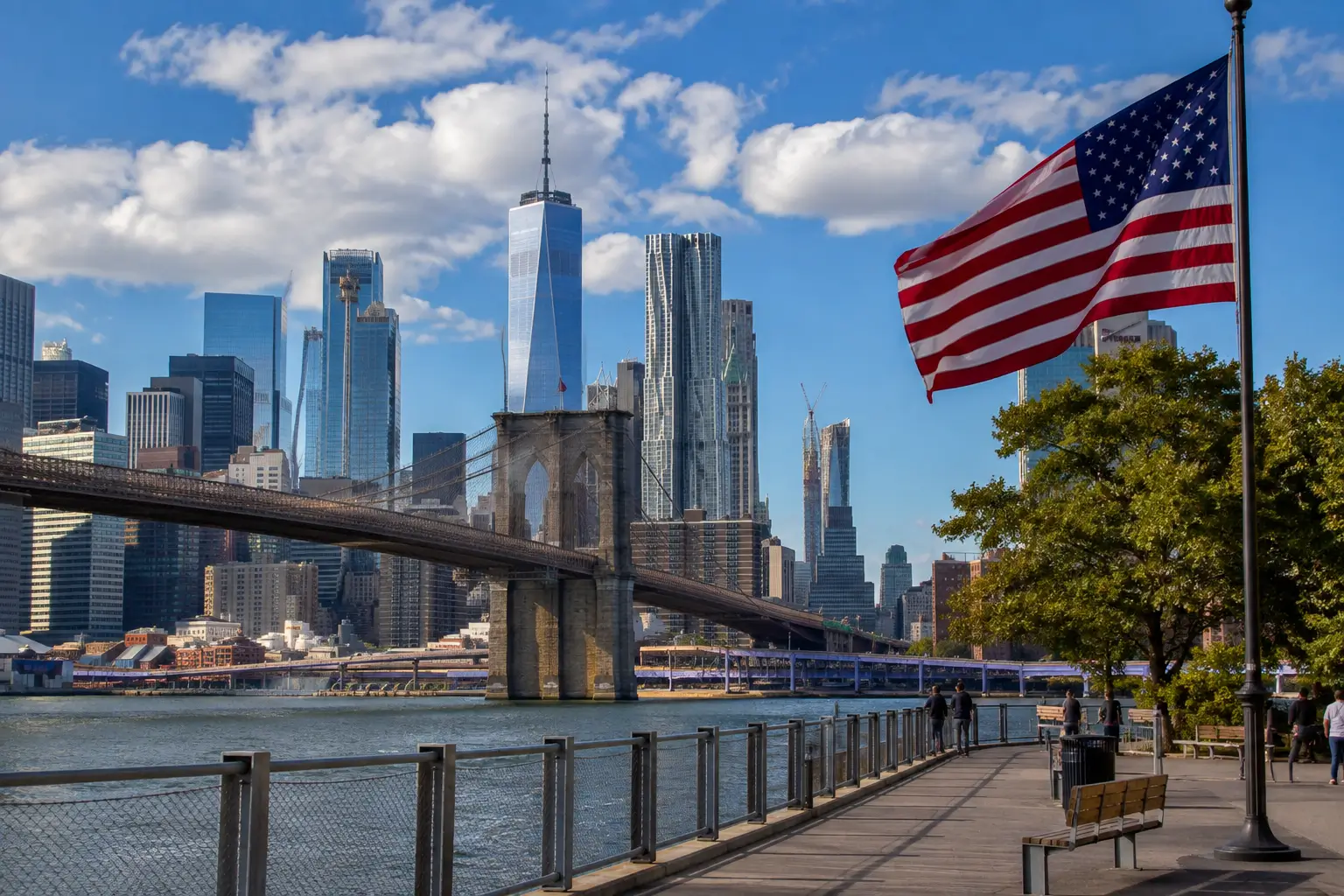
In New York, Central Park is free. Many major museums offer pay-what-you-wish hours on certain days. Walking the Brooklyn Bridge costs nothing but a bit of leg work.
If a national park is part of the trip, the America the Beautiful Annual Pass costs $80 for US residents in 2026 and covers entry to more than 2,000 federal recreation sites for a full year, per the National Park Service. For anyone visiting two or more fee-charging parks in a year, that pass usually pays for itself well before the second stop.
Travel Hacks for Expensive Cities: The Short List
A few travel hacks come up again and again across cost data for these cities, and they’re worth repeating because they genuinely work.
Travel in shoulder season. January through March tends to bring lower hotel prices in New York, while spring and fall often do the same for Oahu. Fewer crowds, lower prices, same beaches and skylines.
Use city transit passes instead of daily fares. A 3-day or 7-day pass almost always beats paying per ride if you’re moving around a lot, whether that’s TheBus in Honolulu or the subway in New York.
Check for city tourism passes before buying individual attraction tickets. Bundled passes for paid attractions, like Oahu’s Go Oahu pass, can deliver real savings if you’re planning to hit several paid sites in one trip, though they’re only worth it if you’ll genuinely use most of what’s included.
Book activities online in advance. Advance online booking for tours and attractions can save 10% to 15% compared with walking up and paying at the gate, per recent Honolulu travel cost research.
Read the fine print on hotel fees. Between hotel taxes, resort fees, and parking charges, a room’s sticker price and its actual price can differ by more than $50 a night in cities like Honolulu. Always check before you book, not after you check out.
What a Real Week Might Actually Cost
Putting real numbers together helps more than another list of tips, so here’s a rough weekly comparison for a solo budget traveler.
A week in Oahu
Staying in a $90 to $135 budget hotel room (split between two travelers), riding TheBus, eating plate lunches and grocery store breakfasts, and sticking mostly to free beaches with one or two paid activities, lands close to $95 to $165 per person per day, per current Honolulu budget travel research. Over seven days, that’s roughly $665 to $1,155 per person, not counting flights.
A week in New York City
By using a budget hotel or hostel, riding the subway with the weekly $35 fare cap, and mixing free attractions with a couple of paid ones, can realistically land in a similar range, sometimes lower, since hostel and budget hotel options are more plentiful there than on Oahu.
Neither number is small. Both are a lot smaller than the $300-a-night hotel screenshots that usually scare people off these trips in the first place.
Final Thoughts
Budget travel in America’s priciest cities comes down to a handful of decisions repeated over and over: pick a budget hotel over the average one, ride the bus instead of the rideshare, eat where locals eat, and remember that a lot of what makes a city worth visiting doesn’t have a price tag attached to it.
Oahu, New York, San Francisco, and the rest of this list will never be the cheapest destinations in America. They don’t have to be. With the right accommodation, the right transportation pass, and a little patience with bus schedules, they’re still well within reach for anyone traveling on a real budget in 2026.
FAQs
A solo budget traveler can expect to spend $80 to $130 a day in most mid-size US cities. In pricier spots like Oahu or New York, that number runs closer to $95 to $165 a day per person, covering a budget hotel or hostel, public transit, and mostly free activities.
Public transit beats rideshares almost everywhere. New York’s subway and bus fare is a flat $3 with a $35 weekly cap, and Oahu’s TheBus and Skyline charge $3 for a two-hour pass. Compare that to a $16 to $22 Uber ride covering the same short trip.
Not necessarily. Hotels average around $320 a night, but budget hotels start closer to $180, and daily costs can drop to $95 to $165 per person if you stay in a budget room, ride TheBus, eat plate lunch meals, and stick to free beaches.
Hostels are the most affordable option nationally, averaging around $37 a night for a dorm bed. Budget hotels come in second, and they’re often 30% to 40% cheaper than the citywide average, especially a few blocks outside the main tourist area.
Yes, plenty. Public beaches, Kapiolani Park, and most of Oahu’s coastline cost nothing. In New York, Central Park and the Brooklyn Bridge are free, and several major museums offer pay-what-you-wish hours.