Crouching Lion Hike The Complete Guide to Oahu’s Most Talked About Trail

Some hikes whisper. The Crouching Lion hike shouts. It sits on Oahu’s windward coast, wears a “closed” sign like a dare, and still pulls in a steady stream of hikers every single day. If you have searched for this trail before, you already know the internet is split. Some sites call it illegal. Others call it perfectly fine. A few just want you to buy their guided tour.
This guide skips the drama and sticks to what is actually true. We will cover the length, the difficulty, the directions, the weather, and yes, the deaths that made headlines. No fluff, no scare tactics, just the facts you need before you lace up your shoes.
Think of this as the guide you wish a friend had sent you the night before your trip. Someone who has actually seen the trailhead in person, not someone recycling the same five sentences you already read on three other sites.
What Is the Crouching Lion Hike?
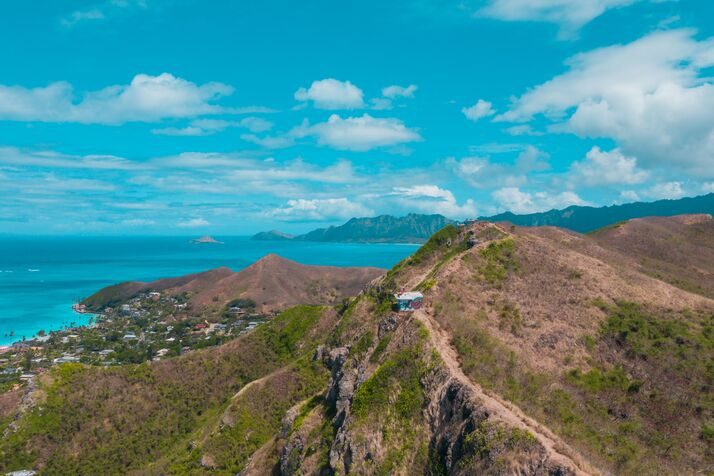
The Crouching Lion hike is a short, steep trail near Kaaawa on Oahu’s windward side, roughly 45 minutes from Waikiki. It climbs through dry forest to a rocky outcrop with sweeping views of Kahana Bay and the Koolau mountain range.
Locals and tourists both love this hike because it delivers a huge payoff for a small amount of effort. You do not need to be an ultramarathoner. You just need decent shoes and a willingness to get a little dirty.
Where the Name Comes From
The trail gets its name from a rock formation that looks like a lion crouched down, watching over the bay. From certain angles at the bottom of the highway, you can actually spot the shape before you even start hiking. It is one of those landmarks that locals point out to visitors driving by.
Why It Draws So Many Hikers
Oahu has plenty of hikes with big views, but few pack them into such a short walk. Diamond Head takes longer and costs money now. Koko Head hike is a brutal stair climb. Crouching Lion gives you jungle, cliffs, and ocean in under an hour for most people. That combination is hard to beat, and it is exactly why this hike shows up on so many Oahu bucket lists.
How It Compares to Other Windward Hikes
If you have already done Olomana or the pillbox hikes on the windward side, Crouching Lion feels similar in spirit but shorter in time. Olomana takes most of a day and involves real exposure on its second and third peaks. Crouching Lion asks for less commitment while still giving you a summit style reward. That makes it a smart pick for a half day itinerary, especially if you are also planning a stop at Kahana Bay or Kualoa Ranch nearby.
Is the Crouching Lion Hike Illegal?
This is probably the question that brought you here, so let’s answer it straight. The trail is officially closed by the state. There are signs at the trailhead that say “Do Not Pass” or similar warnings. Technically, entering a closed trail on state land can result in a citation.
In practice, enforcement is rare. Multiple hikers and local guides report that rangers do not patrol this specific trail regularly, and fines are uncommon. That does not make it legal. It just means the risk is more about your ankle than your wallet.
What “Closed” Actually Means
The state closed this trail years ago, mainly because of erosion, liability concerns, and safety issues on the more advanced routes nearby. A closed trail is not maintained, which means no repairs, no railings, and no official rescue infrastructure built for it.
If you get hurt here, you are relying on the same Honolulu Fire Department crews that handle every other emergency on the island. That is a real cost to the community, even if you never think about it while you are hiking.
The Real Reason Behind the Signs
Many hikers believe the closure mostly targets Puu Manamana, a much longer and far more dangerous ridge trail that shares a trailhead with Crouching Lion. Puu Manamana has narrow, knife edge ridgelines with drops on both sides. The short Crouching Lion route is a different animal entirely, but the warning signs cover both.
There is also a cultural layer here. Part of this land holds significance in Hawaiian tradition, and some community members ask hikers to treat the area with the same respect they would show any sacred site. That is worth remembering even if the legal risk feels low to you.
How Long Is the Crouching Lion Hike?
The length depends entirely on which route you pick, and this is where a lot of online guides get confusing. There are really two different hikes wearing the same name.
The Short Route
The short route, sometimes called the Crouching Lion summit trail, runs about 0.4 to 1.2 miles round trip depending on how far you go. Most hikers finish it in 45 minutes to two hours, including time for photos at the top. The elevation gain is around 300 feet, which sounds small but feels steeper than it looks on paper.
The Long Route (Puu Manamana Loop)
The long route follows the Kahekili Manamana ridge loop and stretches close to 4 miles with about 2,000 feet of elevation gain. Expect 4 to 5 hours for this one. It is steep, exposed, and genuinely demanding. Unless you have real ridge hiking experience, stick with the short trail.
Most people searching for the Crouching Lion hike actually want the short route. It is the one with the famous lookout, the manageable time commitment, and the views everyone posts online.
Crouching Lion Hike Difficulty
Do not let the short distance fool you. This trail earns its reputation through steepness, not length. The path climbs almost immediately, and loose dirt makes footing tricky in several spots.
What Makes It Steep
Ropes have been tied to trees and roots along the steeper sections, left behind by previous hikers to help everyone else climb. You will use your hands more than once. The dirt is dry and crumbly most of the year, which means it slides under your shoes if you are not careful.
Rain changes everything. Wet clay turns this trail into a slip and slide, and several guides recommend skipping it entirely after a storm. If the forecast shows rain in the past 24 hours, consider waiting a day.
Who Should Skip It
Kids under 12, anyone with knee or balance issues, and hikers who are not comfortable using their hands to climb should think twice. The trail is not a stroll. It rewards fitness and caution in equal measure. If you are unsure, the first short section to the initial viewpoint is far less risky than pushing all the way to the summit rock.
Crouching Lion Hike Directions and Entrance
Finding the actual entrance trips up more people than the hike itself. Google Maps often points hikers toward a nearby restaurant instead of the real trailhead, so pay attention here.
Getting There from Waikiki
From Waikiki, take the Pali Highway toward the windward side of Oahu. After the Pali Tunnels, continue downhill and merge onto Kamehameha Highway heading north. Follow this road through Kaneohe and past Kualoa Ranch until you reach Kahana Bay, just before the small town of Kaaawa. The drive takes about 45 minutes to an hour depending on traffic.
Finding the Real Trailhead
Look for a “Do Not Pass” or hazard sign near a telephone pole along the highway, close to Kahana Bay. The entrance looks like it leads straight into bushes, and honestly, it does. Once you push through the first few steps, a clear dirt path appears with pink ribbons marking the way. If you see a handful of cars parked along the roadside, you have probably found the right spot.
Parking Tips
Park in the dirt area across from the trailhead near Kahana Bay, or use Swanzy Beach Park a short walk away. Do not leave valuables in your car. Windward side trailheads have a real problem with break ins, and locals will tell you the same thing every time.
Arrive early if you can. Roadside parking near Kahana Bay fills up fast on weekends, and circling the area looking for a spot eats into the time you could spend actually hiking.
Crouching Lion Hike Deaths: What Actually Happened
This is the part that scares people off, and it deserves a clear, honest answer instead of vague warnings.
The 2013 and 2016 Falls
In June 2013, a 23 year old woman fell 300 feet while hiking the Puu Manamana loop near Crouching Lion and later died from her injuries. In December 2016, a 22 year old former college athlete named Kaisha Chu fell 200 feet from the same ridge trail while hiking with friends and did not survive. Honolulu Fire Department crews had to rappel down the cliff face to reach her. Both tragedies happened on the advanced Puu Manamana section, not the short Crouching Lion summit trail that most visitors actually hike.
A separate incident in March 2015 involved a man who fell roughly 170 feet total but survived his injuries. Local hiking groups have pointed out that many of these accidents involve hikers who were not properly equipped for ridge terrain, or who lost their footing while distracted taking photos.
Why the Danger Gets Overstated (and Understated)
Here is the honest split. The short Crouching Lion trail to the summit rock has a solid safety record, with no confirmed fatalities reported on that specific stretch. The danger climbs sharply once you continue onto the Puu Manamana ridge, where the drops are longer and the path narrows to almost nothing in places.
So the fear is not baseless, but it often gets applied to the wrong trail. Know which route you are on. That single piece of awareness matters more than any gear you could bring.
Fire officials who have responded to these incidents have repeatedly urged the public to treat unmaintained ridge trails with real caution. That warning is not about scaring casual hikers away from the summit lookout. It is aimed squarely at anyone tempted to keep walking past it onto the narrow ridge beyond.
Best Time for a Crouching Lion Hike Sunrise
A sunrise hike here has become something of a rite of passage for Oahu visitors, and it is easy to see why once you reach the top.
Why Sunrise Hikers Love It
Kahana Bay glows in soft light before the crowds show up, and the trail itself stays cooler, which makes the steep climb noticeably easier. Fewer hikers also means less waiting for that perfect summit photo. Many locals consider this the single best time to attempt the trail, especially in summer when sunrise comes earlier.
What to Bring in the Dark
Bring a headlamp, not just your phone flashlight. The trail has roots and loose rocks that are hard to spot in low light, and you will need both hands free for the climbing sections. A light jacket helps too, since the windward coast can feel chilly before the sun clears the ridge. Check the sunrise time for your specific dates, since Hawaii’s sunrise shifts noticeably between winter and summer.
Crouching Lion Hike Weather
Weather makes or breaks this hike more than almost any other factor on the list.
Why the Windward Side Rains So Much
Kaaawa sits on Oahu’s windward coast, which catches significantly more rain than Waikiki or the leeward side. Trade winds push moisture straight into the Koolau range, and that moisture often falls right where this trail sits. Visitors staying in Waikiki are sometimes surprised to arrive at Kahana Bay and find it raining when their hotel was sunny an hour earlier.
Checking Conditions Before You Go
Check a windward specific forecast the morning of your hike, not just a general Oahu forecast. If rain fell within the last day, the clay soil turns slick fast, and several experienced hikers recommend simply picking a different day rather than risking the descent. Clear, dry mornings are genuinely the best conditions this trail offers.
Tips for a Safe Crouching Lion Oahu Hike
A little preparation turns this hike from stressful to genuinely fun.
Gear That Actually Helps
Wear closed toe shoes with real tread, not sandals or worn out sneakers. Some hikers add microspikes for extra grip on the dirt sections. Bring more water than you think you need, even though the hike is short, since Hawaii’s humidity drains people quickly. Light gloves help too, since you will be grabbing roots and rocks along the steeper climbs.
Trail Etiquette and Respect for the Land
Stay on the established path instead of cutting new routes through vegetation, which speeds up erosion and damages the area for everyone else. Pack out everything you bring in. Keep noise down out of respect for the land’s cultural significance and for the residential neighborhood near the trailhead. A little courtesy here goes a long way toward keeping this trail accessible for hikers who come after you.
Hiking With a Group vs Hiking Alone
Solo hiking on a closed trail is not the smartest move, even on the short route. If someone twists an ankle on loose dirt, having a second person around to call for help or hike out for signal makes a real difference. Local hiking groups on Oahu often organize sunrise meetups for exactly this trail, which can be a good option if you are traveling alone and want company without going in completely blind.
Final Thoughts
The Crouching Lion hike earns its reputation honestly. It is short, steep, technically closed, and absolutely worth it for hikers who come prepared. Know the difference between the short summit trail and the longer Puu Manamana ridge. Check the weather. Bring good shoes. Treat the land with respect.
Do that, and you will walk away with one of Oahu’s best views for one of the smallest time investments on the island.