7 Powerful Reasons the Oahu Surf Forecast Makes Every Session Better

Surfing on Oahu is not just a sport it’s a daily conversation with the ocean. Some days, the sea whispers smooth waves. Other days, it shouts with powerful swells that demand respect. Understanding the Oahu surf forecast helps you to decide when to went out and when to enjoy the cheap Ski resorts in USA .
This guide breaks down the Oahu forecast in a clear, practical, and human way. No exaggerations. No fake data. Just real surf knowledge given by trusted sources like NOAA, National Weather Service and Surfline. We’ will explain how forecasts work, how seasons change wave quality and how to read surf data like a local.
And yes here is a bit of humour, because surfing without fun feels illegal.
Why the Oahu Surf Forecast Actually Matters
Many beginners think surf forecasting is optional. Experienced surfers know better.
A good Oahu forecast helps you:
- Avoid dangerous conditions
- Choose the right surf spot
- Match wave size to your skill level
- Save time (and wax) by surfing the best hours
- Prevent crowded, messy sessions
Ocean conditions change fast around Oahu. Wind, swell direction, tide and reef shape all play a role. One beach can look flat while another fires perfectly just a few miles away.
Forecasts turn guesswork into smart planning.
How Surf Forecasting Works on Oahu
Surf forecasts rely on meteorological and oceanographic data, not on any guesses. Reputable platforms pull information from buoy readings, satellite data and weather models.
Key Elements of Surf Forecast
1. Swell Direction
Oahu receives waves from different parts of the Pacific Ocean.
- North & Northwest swells → North Shore
- South & Southwest swells → South Shore
- East trade-wind swells → East Side
Swell direction determines where waves breaks.
2. Swell Size and Period
- Wave height shows energy, not actual face height
- Wave period (seconds) indicates power
Longer periods (14–20 seconds) usually create cleaner more powerful waves. Short periods feel weaker.
3. Wind Conditions
Wind decides whether waves look beautiful or broken.
- Offshore wind = clean faces
- Onshore wind = choppy surf
- Light wind = happy surfers
Trade winds often affect the East Side, especially in summer.
4. Tides
Oahu reefs react differently to tides.
- Some spots work best at mid to high tide
- Others prefer low tide
Knowing tide preference prevents wipeouts and reef kisses (the painful kind).
Seasonal Breakdown of the Oahu Surf Forecast
Oahu delivers waves year-round, but each season tells a different story.
Winter Surf Forecast on Oahu (November to March)
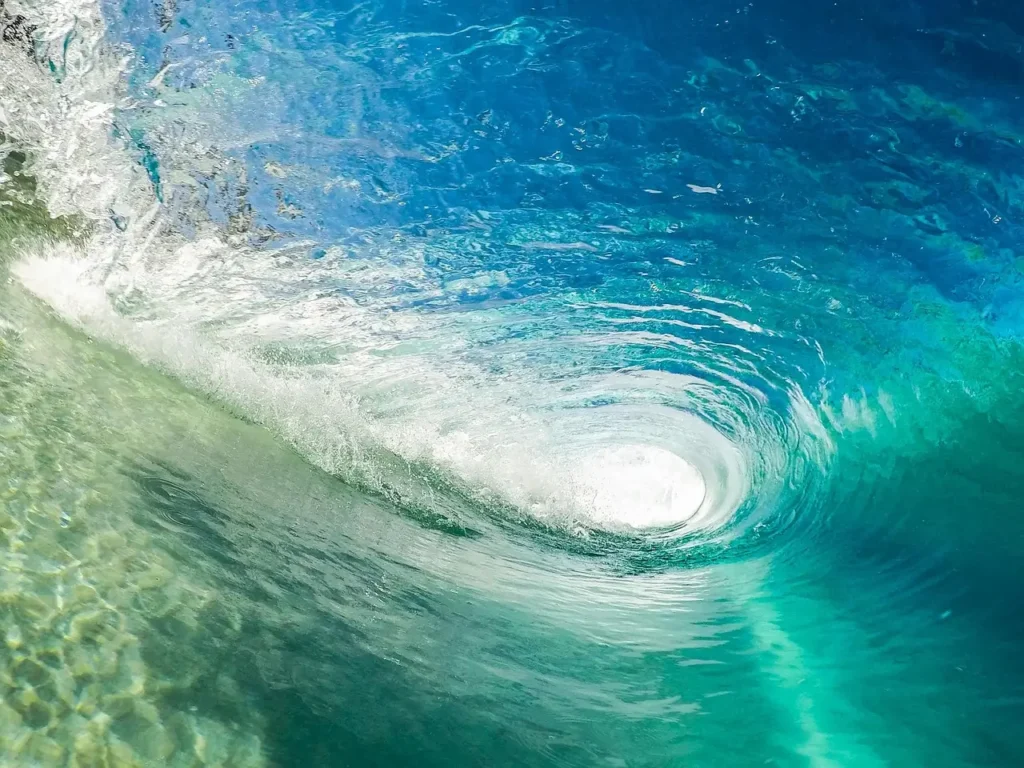
Winter belongs to the North Shore. This is when Oahu earns its global surf reputation.
What to Expect
- Massive North Pacific swells
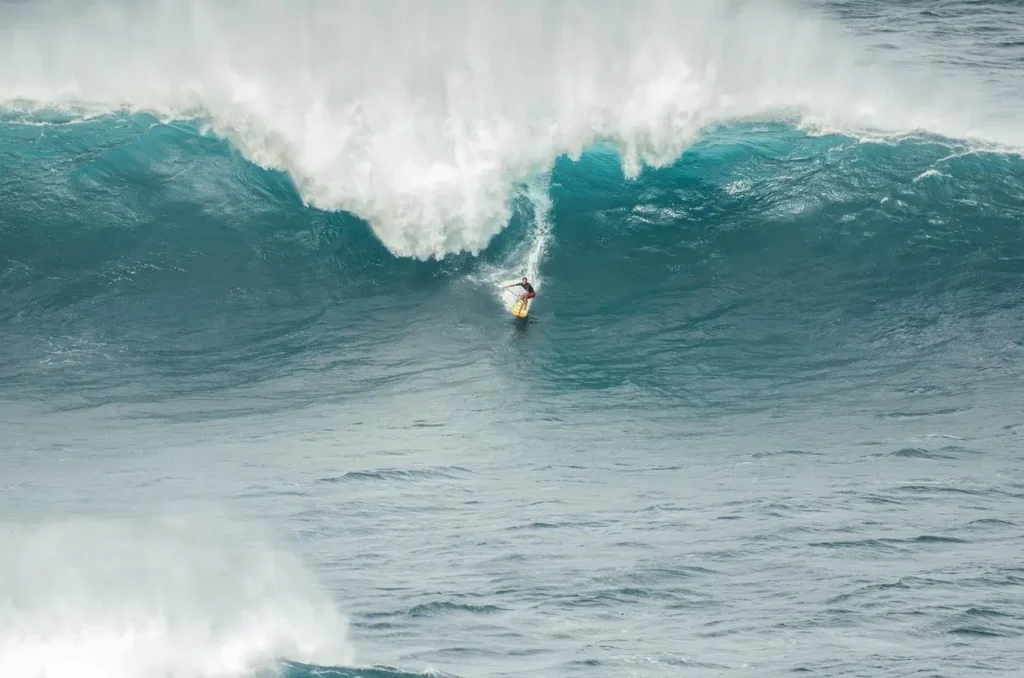
- Wave faces can exceed 20–30 feet during big events
- Strong currents and heavy hold-downs
Best Areas
- Pipeline
- Sunset Beach
- Waimea Bay
Who Should Surf
- Advanced and professional surfers only
Beginners should admire winter North Shore surf from land. The forecast may look exciting, but reality hits harder than expected.
Summer Surf Forecast on Oahu (May to September)

Summer shifts energy to south.
What to Expect
- South Pacific swells
- Smaller but clean, playful waves
- Ideal learning conditions
Best Areas
- Waikiki
- Ala Moana
- Diamond Head
This season creates perfect longboard waves and friendly lineups.
Spring and Fall: The Transition Seasons
These months bring variety.
- Fewer crowds
- Mixed swell directions
- More forgiving conditions
Many locals consider spring and fall the best balance of quality and safety.
Oahu Surf Forecast by Coast
Understanding Oahu’s geography helps you to pick the right break every time.
North Shore Surf Forecast

The North Shore handles the island’s most powerful swells.
Forecast Characteristics
- Best during winter
- Offshore winds from the south improve conditions
- Breaks over shallow reefs
Trusted sources like NOAA WaveWatch III consistently show why this coast dominates winter surf charts.
South Shore Surf Forecast
The South Shore stays calmer and more predictable.
Forecast Characteristics
- Best during summer
- Smaller wave heights
- Reef breaks suit longboards and shortboards
South Shore forecasts depend heavily on Southern Hemisphere storm activity.
East Side Surf Forecast
The East Side thrives on wind swell.
Forecast Characteristics
- Consistent waves year-round
- Trade winds influence quality
- Choppier but reliable surf
This coast rarely goes flat and making it a fallback option.
West Side Surf Forecast
The West Side works less frequently but surprises when conditions align.
Forecast Characteristics
- Needs specific swell angles
- Less crowded
- Powerful reef breaks
Many forecasts overlook this coast, but locals watch it closely.
How to Read an Oahu Surf Forecast Like a Local
Surf reports look confusing until you know what matters.
Focus On:
- Primary swell direction
- Period above 12 seconds
- Wind below 10 knots
- Rising or stable tide
Ignore dramatic headlines. These Numbers tell the real story.
Trusted Sources for Accurate Oahu Surf Forecasts
Using reliable data builds trust with both surfers and search engines.
Recommended Sources
- NOAA National Weather Service – Wave models and marine forecasts
- Surfline – Spot-specific surf reports and cams
- Magicseaweed – Swell charts and tide data
- Buoyweather – Offshore buoy readings
These platforms use verified meteorological data, not following any guesses.
Common Surf Forecast Mistakes
Even experienced surfers mess this up.
Mistake 1: Chasing Wave Height Only
Wave period matters more than raw height.
Mistake 2: Ignoring Wind
Perfect swell with bad wind equals disappointment.
Mistake 3: Surfing the Wrong Coast
Oahu always has waves—just not everywhere at once.
Safety and Responsibility in Surf Forecasting
Forecasts do not replace ocean awareness.
Always:
- Check local advisories
- Respect lifeguard warnings
- Know your limits
According to Hawaii Ocean Safety studies, most surf-related rescues involve visitors misreading conditions.
Smart surfers live to surf another day.
Final Thoughts: Trust the Forecast, Respect the Ocean
The Oahu forecast gives you knowledge. What you do with it shows wisdom.
Use reliable sources. Match conditions to your skill. Respect local etiquette. And remember missing one session beats missing a shoulder.
Surfing rewards patience and preparation. When you read forecasts correctly, Oahu delivers waves that stay in your memory long after the salt dries.
If the ocean teaches one lesson consistently, it’s this:
Plan smart and enjoy surf happily.