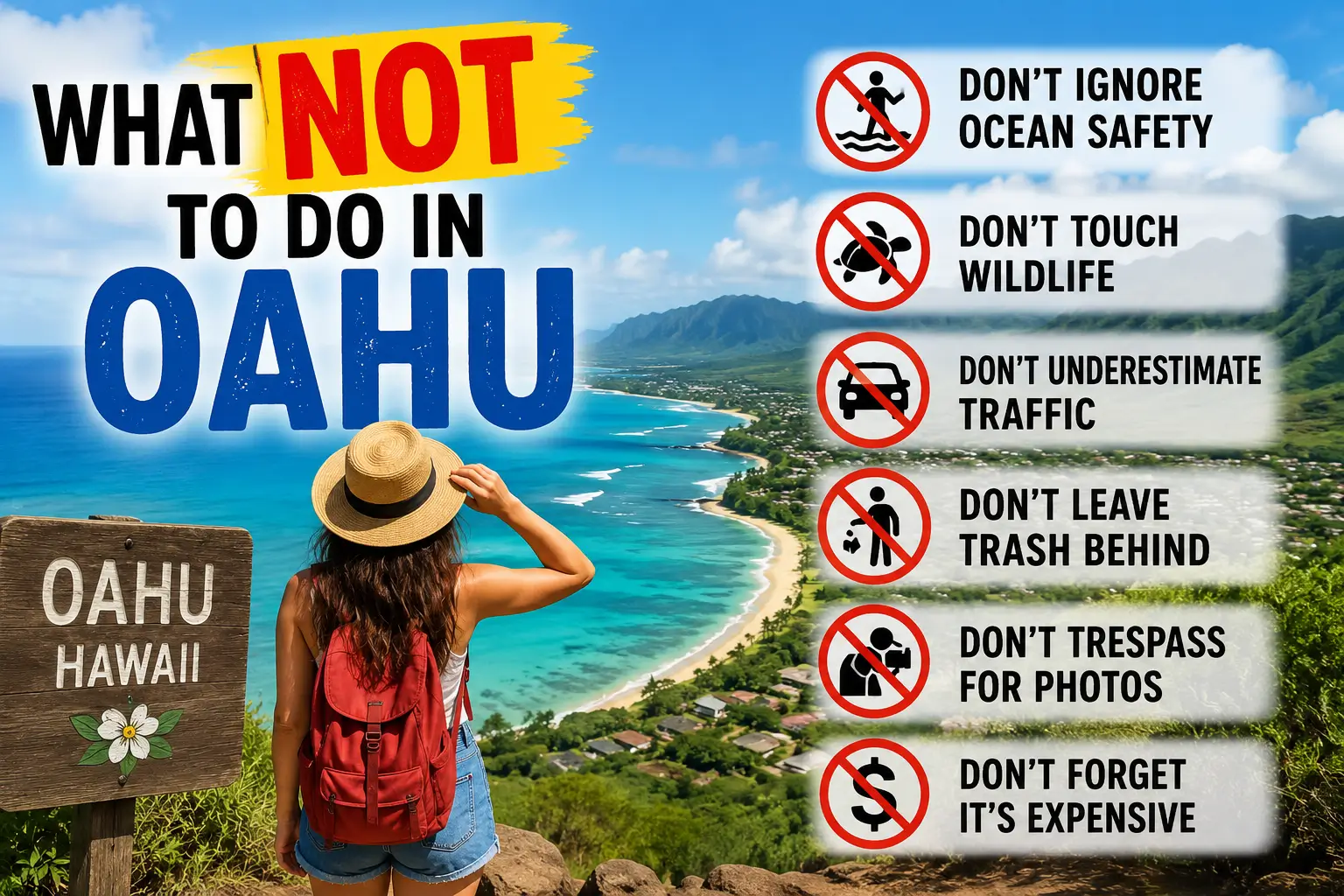
What NOT to Do in Oahu 20 Mistakes Tourists Must Avoid in 2026

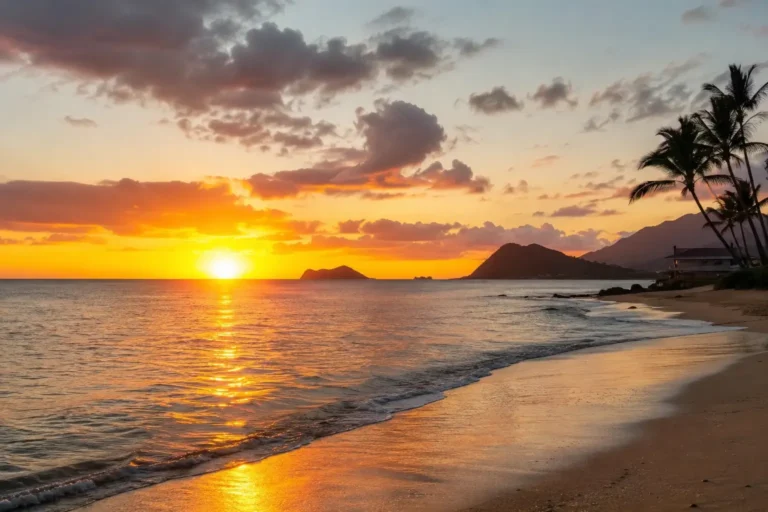
Oahu looks like paradise in photos, and honestly, it is. You get turquoise water, green mountains, famous beaches, and sunsets that almost seem edited. But many visitors make mistakes that turn an amazing trip into a stressful one.
Some people damage nature without realizing it. Others waste money on tourist traps, ignore local culture, or simply plan their trip the wrong way. Oahu is beautiful, but it also has rules, traditions, and realities that travelers should respect.
This guide covers what NOT to do in Oahu, especially if you want a smoother trip, better experiences, and fewer awkward moments. It’s written for real travelers who want practical advice, not sugar coated travel clichés.
Don’t Underestimate Oahu Traffic
A lot of visitors assume Hawaii means relaxed island driving. Then they spend half their vacation stuck in traffic. Oahu traffic can get surprisingly bad, especially around Honolulu, Waikiki, Pearl City, and the North Shore during weekends. A drive that looks short on Google Maps can suddenly double in time.
If you plan multiple activities in one day, you’ll probably end up frustrated.
Try grouping nearby attractions together instead of jumping from one side of the island to another. Early mornings usually work best for popular spots.
According to the official Hawaii tourism resources, Oahu receives millions of visitors each year, so crowded roads are common during peak seasons.
Don’t Ignore Ocean Safety
The ocean in Oahu is stunning, but it’s not a swimming pool. Every year, tourists get injured because they underestimate waves, currents, and shore breaks. Even beaches that look calm can become dangerous quickly.
If locals stay out of the water, that’s usually a sign you should too. Never turn your back on the ocean. Don’t swim at isolated beaches without checking conditions first. Lifeguarded beaches are always the safer option.
The City and County of Honolulu regularly warns visitors about strong shore breaks and rip currents on many Oahu beaches. A quick beach safety check takes two minutes. Getting rescued by lifeguards takes much longer, and usually comes with embarrassment.
Don’t Touch Wildlife
This should be obvious, but many tourists still do it. Hawaiian green sea turtles may look slow and friendly, but they are protected animals. Hawaiian monk seals are also protected and extremely important to the islands’ ecosystem.
Taking selfies too close to wildlife can result in fines and harm the animals. Respect distance guidelines and let animals rest naturally. Wildlife photographers wait patiently for the perfect shot. Tourists often sprint toward turtles like they just spotted a celebrity.
The National Oceanic and Atmospheric Administration advises staying at least 10 feet away from sea turtles and 50 feet away from monk seals.
Don’t Treat Hawaii Like a Theme Park
Oahu is not just a vacation destination. People actually live there. This sounds simple, but many visitors forget it.
Blocking roads for photos, trespassing onto private property, being loud in residential neighborhoods, or leaving trash behind creates tension between tourists and locals. Respect matters in Hawaii culture. You don’t need to act perfect. Just be thoughtful.
Simple things help:
• Don’t blast music at beaches
• Don’t park illegally
• Don’t leave trash behind
• Don’t enter sacred or restricted areas
• Don’t assume every place exists for tourism
Visitors who show kindness usually receive kindness back.
Don’t Spend Your Entire Trip in Waikiki
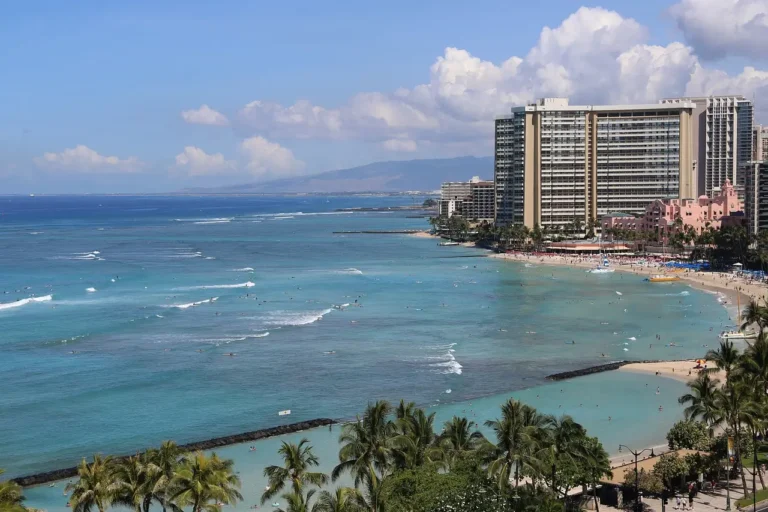
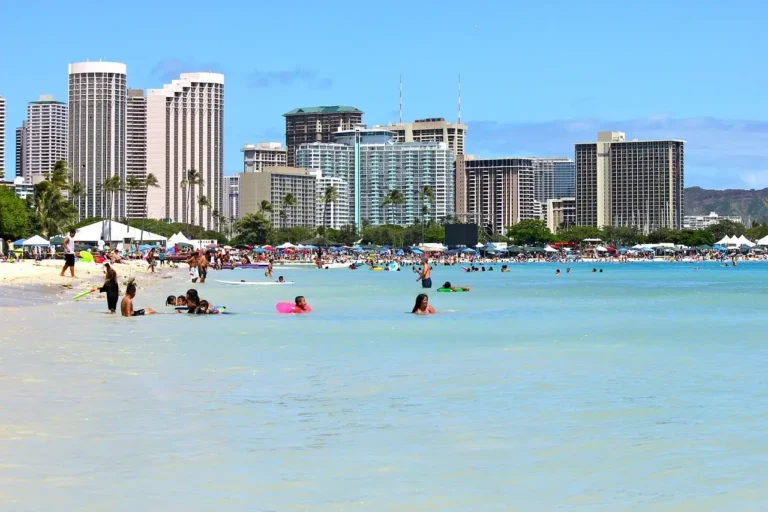
Waikiki beach is famous for a reason. It has hotels, restaurants, shopping, nightlife, and one of the world’s most recognizable beaches. But if you never leave Waikiki, you miss the real personality of Oahu.
The island has incredible places beyond the hotel zone:
• North Shore surf towns
• Windward coast scenery
• Local food spots
• Hiking trails
• Cultural sites
• Quiet beaches
Some visitors stay five days in Waikiki and return home saying Hawaii felt crowded and commercial.
That’s like visiting New York and never leaving Times Square.
Don’t Hike Unprepared
Oahu hikes look easy on Instagram. Reality can feel very different. Trails become muddy fast. Some have steep drop offs, slippery rocks, or sudden weather changes. Tourists often show up wearing flip flops with one bottle of water and zero planning.
That’s a terrible strategy. Bring proper shoes, water, sunscreen, and check trail conditions before leaving. If a trail is officially closed, don’t ignore the signs.
Rescue operations happen regularly because people underestimate hikes in Hawaii. The Honolulu Department of Emergency Management frequently reminds hikers about flash flooding and unsafe trail conditions.
Also, don’t chase dangerous photo spots just because social media made them look cool. No sunset picture is worth a helicopter rescue.
Don’t Expect Every Beach to Be Calm
Many travelers assume all Hawaiian beaches are perfect for beginners. They’re not. Some beaches are ideal for snorkeling. Others are known for powerful winter surf. Conditions change throughout the year.
The North Shore, for example, becomes famous for huge winter waves that attract professional surfers from around the world. If you aren’t experienced, don’t copy what advanced surfers do.
There’s always someone who watches massive waves and thinks, “Yeah, I can probably handle that.” Usually, they cannot.
Don’t Leave Valuables in Your Car
Car break ins happen in Oahu, especially near tourist attractions and hiking trail parking lots. Leaving phones, bags, cameras, or passports visible inside your car is a bad idea.
Even hidden items can attract attention if someone saw you place them there earlier. Take valuables with you whenever possible. If you must store something, do it before arriving at the parking area. A smashed rental car window is a terrible vacation souvenir.
Don’t Ignore Local Food
Some visitors eat only at chain restaurants because it feels familiar. That’s a mistake.
Oahu has excellent local food trucks in Oahu with influences from Hawaiian, Japanese, Filipino, Korean, Portuguese, and Polynesian traditions.
Try local favorites like:
• Poke
• Garlic shrimp
• Plate lunch
• Spam musubi
• Shave ice
• Loco moco
Food is one of the best ways to experience local culture.
Also, don’t expect tiny portions. Hawaiian plate lunches often look like they were designed for someone preparing to climb a mountain.
Don’t Forget Reef Safe Sunscreen
Hawaii has laws about certain sunscreen chemicals because they can damage coral reefs. Using reef safe sunscreen helps protect marine ecosystems around the islands.
The Hawaii State Legislature passed restrictions on sunscreens containing oxybenzone and octinoxate due to environmental concerns.
Besides helping reefs, reef safe sunscreen usually works well for sensitive skin too. And yes, you absolutely need sunscreen in Oahu. Cloudy skies can fool people quickly.
Don’t Trespass for Instagram Photos
This problem became huge in Hawaii during the social media travel boom. Tourists started climbing unsafe areas, entering private land, and damaging natural spots just for photos. Many famous photo locations now have restrictions because visitors ignored boundaries.
If you see signs that say “No Trespassing,” take them seriously. A viral photo is not worth legal trouble, injuries, or disrespecting local communities.
Don’t Assume Hawaii Is Cheap
Oahu can get expensive very fast. Hotel costs, parking fees, restaurant bills, rental cars, and activities add up quickly. Many travelers underestimate their budget before arriving.
According to Hawaii tourism industry reports, Hawaii consistently ranks among the most expensive travel destinations in the United States.
Ways to save money include:
• Booking early
• Using public beaches instead of expensive resorts
• Eating at local spots
• Avoiding unnecessary tourist packages
• Traveling during shoulder seasons
You don’t need luxury resorts every day to enjoy Oahu.
Some of the island’s best experiences are free.
Don’t Disrespect Hawaiian Culture
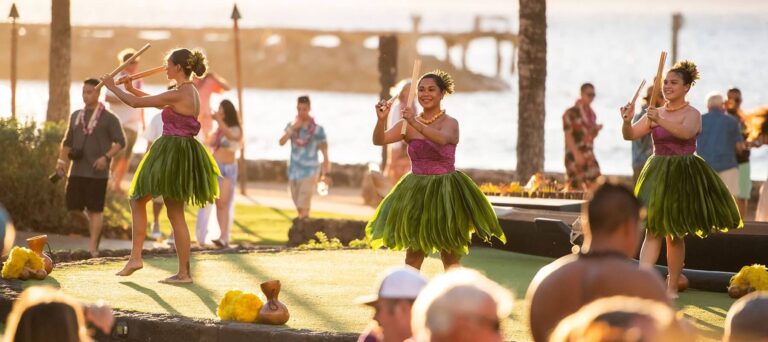
Hawaiian culture is deeply important to the islands. Words, traditions, stories, dance, music, and sacred places carry meaning that goes beyond tourism marketing.
Learn a few respectful basics:
• “Aloha” means more than hello
• “Mahalo” means thank you
• Heiau sites are sacred
• Local customs deserve respect
You don’t need to become a cultural expert overnight. Just avoid treating Hawaiian traditions like entertainment props.
People notice the difference between respectful curiosity and careless behavior.
Don’t Overpack Your Itinerary
This is one of the biggest travel mistakes in Oahu.
Visitors try to cram:
• Pearl Harbor
• Diamond Head
• North Shore
• Snorkeling
• Luaus
• Shopping
• Hiking
• Sunset cruises
…all into one or two days.
Then they spend the whole trip rushing around. Oahu works better when you slow down a little. Leave space for random beach stops, local food discoveries, and unexpected moments.
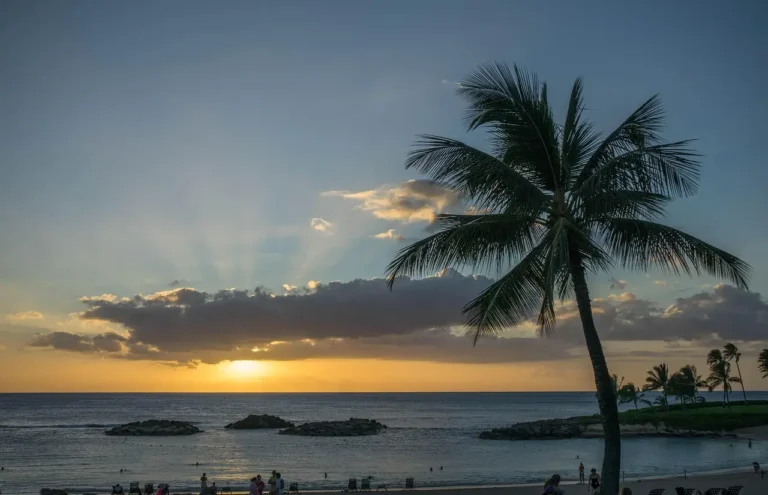
Sometimes the best memory comes from doing almost nothing. Just sitting near the ocean with a plate lunch and watching the sunset can beat a packed schedule.
Don’t Forget About Reservation Rules
Several popular attractions in Hawaii now require reservations or timed entry systems. Some hiking trails, parks, and attractions limit daily visitors to reduce overcrowding and environmental damage.
Always check official websites before visiting. Nothing ruins a morning faster than driving across the island only to discover you needed a reservation three weeks ago.
Don’t Swim Alone at Night
Night swimming may sound peaceful, but it increases risk significantly. Ocean conditions become harder to judge after dark. Strong currents, sharp reefs, and changing tides are more dangerous when visibility drops.
Stick to daytime swimming, especially if you’re unfamiliar with local beaches. Oahu sunsets are incredible. Emergency room visits are less impressive.
Don’t Forget That Nature Changes Fast
Weather in Oahu can shift quickly depending on where you are on the island. One side may be sunny while another gets heavy rain. Flash floods can happen suddenly in valleys and hiking areas. Ocean conditions can also change within hours.
Always check local forecasts before outdoor activities. The National Weather Service regularly issues warnings for Hawaiian flooding and surf conditions. A flexible travel plan usually works better than a rigid one.
Don’t Be Rude to Locals
This should apply everywhere, but it matters especially in places heavily affected by tourism. Many local residents deal with crowded roads, rising costs, and overtourism concerns daily. Patience and politeness go a long way.
Small respectful actions matter:
• Say thank you
• Follow local rules
• Support local businesses
• Avoid entitled behavior
• Listen when locals give advice
People remember respectful travelers. They also remember the guy blasting music from a rental Jeep at 7 a.m.
Don’t Ignore Pearl Harbor Etiquette
If you visit the Pearl Harbor National Memorial, remember it’s a historic memorial site, not just a tourist attraction. Thousands of people lost their lives during the attack on Pearl Harbor in 1941. Visitors are expected to behave respectfully.
Avoid loud behavior, inappropriate photos, or treating the memorial like a casual entertainment stop. The National Park Service provides clear visitor guidelines for respectful conduct at the memorial.
Don’t Expect Perfect Weather Every Day
Many travelers imagine nonstop sunshine during their entire Hawaii vacation. Oahu does not work like that.
Rain showers happen often, especially in greener parts of the island. Usually they pass quickly, but weather changes are normal. Actually, those rain showers help create the lush scenery people love in Hawaii.
Without rain, Oahu would look very different. Sometimes visitors panic after seeing rain on vacation. Meanwhile locals barely react and continue eating lunch normally.
Final Thoughts
Oahu is one of the most beautiful islands in the world, but a great trip depends on more than pretty scenery. Respect the ocean. Respect the culture. Respect the people who live there.
Avoid the common mistakes that many tourists make, and your experience will instantly improve. You don’t need a perfect itinerary to enjoy Oahu. You just need awareness, flexibility, and common sense. And maybe sunscreen. Definitely sunscreen.
FAQs About What NOT to Do in Oahu
Tourists should avoid ignoring ocean safety, touching wildlife, trespassing for photos, leaving valuables in cars, and disrespecting Hawaiian culture or local communities.
Yes, Oahu is generally safe for tourists. Still, visitors should stay alert at beaches, hiking trails, and parking areas to avoid accidents or theft.
No. Hawaiian sea turtles are protected by law. Visitors should keep a safe distance and never touch or disturb them.
Many travelers try to visit too many places in one day. Oahu traffic can be heavy, so overplanning usually leads to stress and wasted time.
No. Some beaches have strong currents, dangerous shore breaks, or high surf conditions. Always check ocean safety signs and local warnings before swimming.
Avoid wearing flip flops or slippery sandals on hiking trails. Proper hiking shoes help prevent injuries on muddy or steep paths.
Yes. Hawaii encourages reef safe sunscreen because certain chemicals can damage coral reefs and marine life.