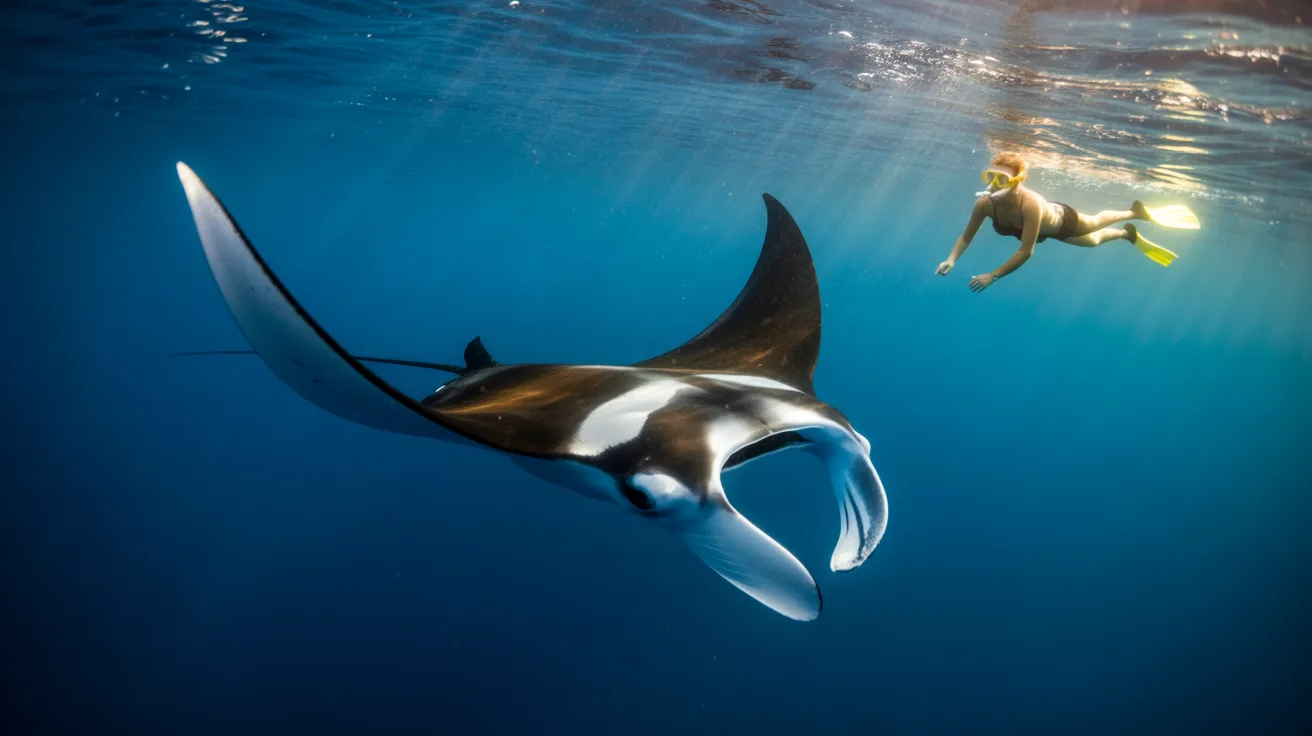
Manta Ray Snorkel Kauai: The Surprising Truth About Seeing Manta Rays Here

Snorkeling with manta rays ranks among the most unforgettable ocean experiences in Hawaii. These gentle giants glide through the water with slow wings and calm movements. Many travelers search for manta ray snorkel Kauai, Kauai manta ray snorkel, or even manta ray night snorkel Kauai tours because Kauai has some of the most beautiful waters in the islands.
The short answer is simple. Kauai has manta rays but regular Kauai manta ray snorkel tours are very rare here. Most reliable manta ray snorkeling Hawaii experiences happen on the Big Island near Kona.
This guide explains the real truth about manta rays Kauai, where manta rays sometimes appear and the best way to see them if you are visiting Kauai. If you are planning a full Hawaii itinerary, it also helps to understand the Hawaiian islands and what each island offers. Many travelers also read about travel to Maui when comparing different island experiences.
Can You Snorkel With Manta Rays in Kauai?
Yes. Manta rays do live in waters around Kauai. Snorkelers and divers sometimes see them near reefs and deep coastal areas. This means manta ray Kauai sightings are possible though not common.
However Kauai does not have a consistent manta ray snorkel Kauai tour industry like the Big Island. Sightings happen occasionally but they are not predictable. Because of this most operators do not run regular manta ray night snorkel Kauai tours.
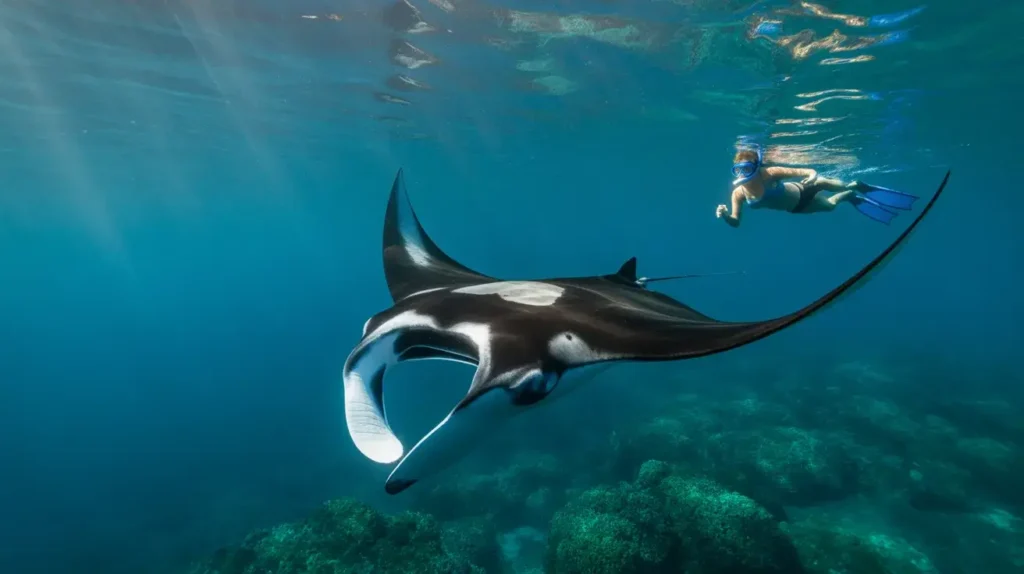
According to research from the Manta Pacific Research Foundation most reliable manta ray feeding sites in Hawaii sit near the Kona coast. These areas attract plankton which brings mantas close to shore at night.
If your main goal is guaranteed manta ray snorkeling you will likely need to visit the Big Island for a manta ray snorkel Big Island tour.
Why Kauai Has Fewer Manta Ray Snorkel Tours
Many travelers assume every Hawaiian island offers manta ray snorkeling. In reality only a few locations provide the right conditions for manta ray snorkeling Hawaii experiences.
The Kona coast also uses bright dive lights during night tours like the famous Kona manta ray night snorkel. These lights attract plankton which attracts manta rays. This feeding behavior allows guides to predict manta appearances.
Kauai lacks these consistent feeding zones. Sightings still happen but they occur randomly. Tour companies cannot promise guests they will see mantas. That makes regular Kauai manta ray snorkel tours difficult to operate.
Places in Kauai Where Manta Rays Are Occasionally Seen
Even though tours are rare manta rays still pass through Kauai waters. Local divers sometimes report sightings near deeper reef systems when travelers search where to see manta rays on the island.
Here are several places where manta rays occasionally appear.
Poipu Beach
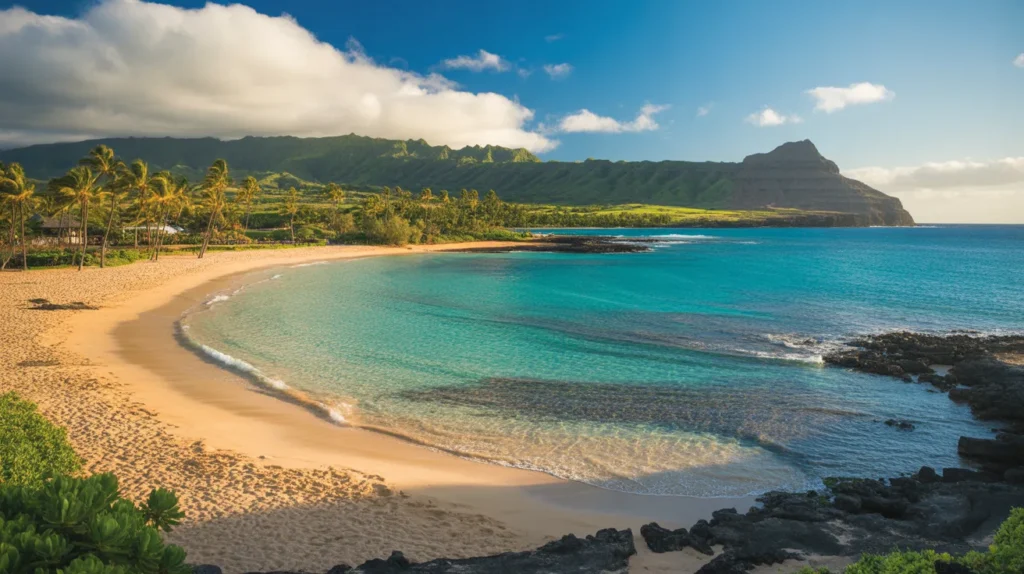
Poipu Beach sits on the south shore of Kauai. The area has calm water and clear visibility on many days. Divers sometimes spot manta rays offshore near deeper reef edges.
Snorkelers usually stay close to shore but mantas can pass through deeper water during feeding. If you are planning a full island trip, it helps to explore other things to do in Kauai and nearby coastal areas.
Tunnels Beach
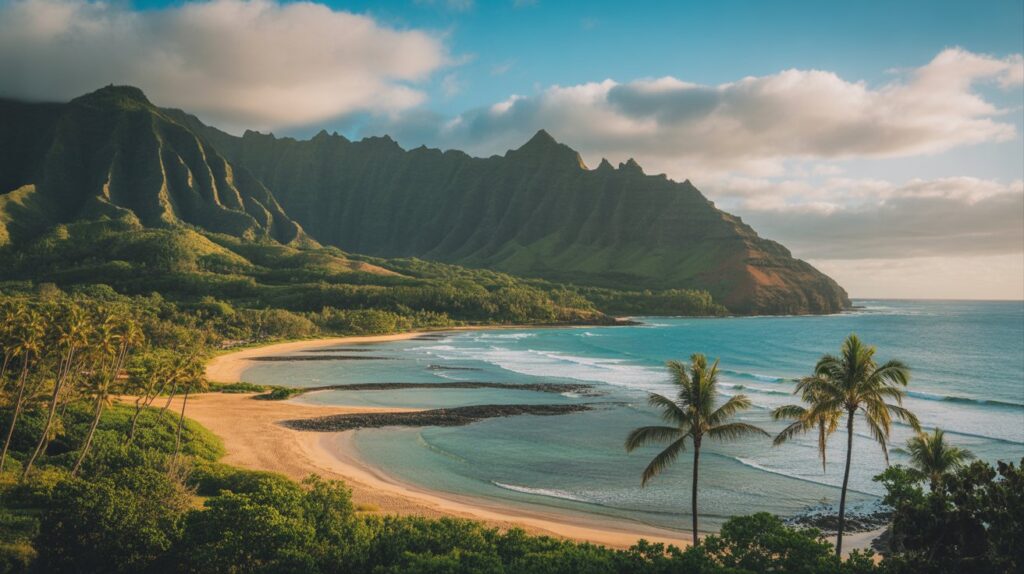
Tunnels Beach offers one of the largest reef systems on the island. The reef slopes into deeper ocean water which attracts many marine species. Local dive operators report occasional manta ray encounters in deeper sections of the reef.
Na Pali Coast
Na Pali Coast has dramatic cliffs and deep ocean water close to shore. Boat tours sometimes see large marine animals including manta rays during summer months. These sightings remain rare but they do happen when travelers search where can you see manta rays around Kauai.
Hanalei Bay
Hanalei Bay offers a wide bay with rich marine life. Divers exploring deeper parts of the bay sometimes report manta rays passing through during plankton blooms. Again sightings here are possible but not guaranteed.
Best Way to See Manta Rays if You Are Staying in Kauai
If seeing manta rays sits at the top of your Hawaii bucket list you still have a simple option. Travel to the Big Island for a manta ray snorkel Big Island tour or the famous Kona manta ray night snorkel experience.
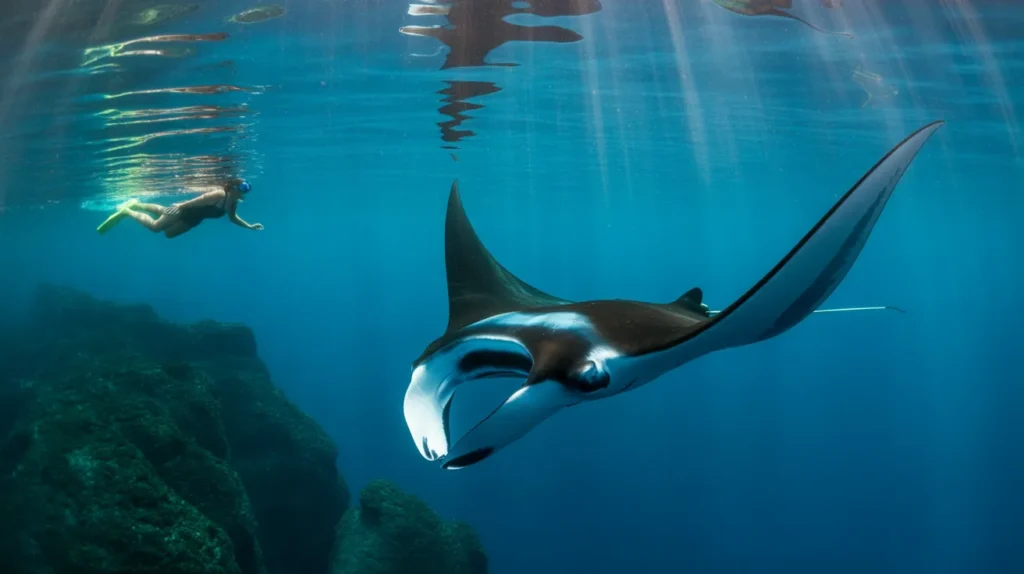
The Kona coast hosts the most famous manta ray snorkeling in the world. Operators run night snorkel tours almost every evening at locations like Manta Village Kona and Manta Heaven Kona. Success rates often reach above 85 percent according to local dive operators.
Flights between Kauai and the Big Island take about one hour. Many travelers take a day trip or short overnight visit just to experience a big island manta ray tour.
Why Kona Has the Best Manta Ray Snorkeling in Hawaii
The west coast of the Hawaii Island has unique ocean conditions. Deep volcanic slopes sit close to shore and currents push plankton toward the coastline.
Night snorkel tours place bright lights in the water. These lights attract plankton and create a feeding zone. Manta rays gather below the lights and glide through the water while feeding. Popular locations include Manta Village Kona, Manta Heaven Kona, and Keauhou Bay manta rays viewing areas.
According to the Hawaii Department of Land and Natural Resources manta rays in Hawaii are protected species. Tour operators must follow strict rules to protect them and their habitat. This system makes Kona the most reliable place for the best manta ray snorkel Big Island experience.
What Happens During a Manta Ray Night Snorkel
The manta ray snorkel experience follows a simple and safe routine. Most tours last about two to three hours whether you join a big island manta ray tour or a manta ray night dive Kona Hawaii experience.
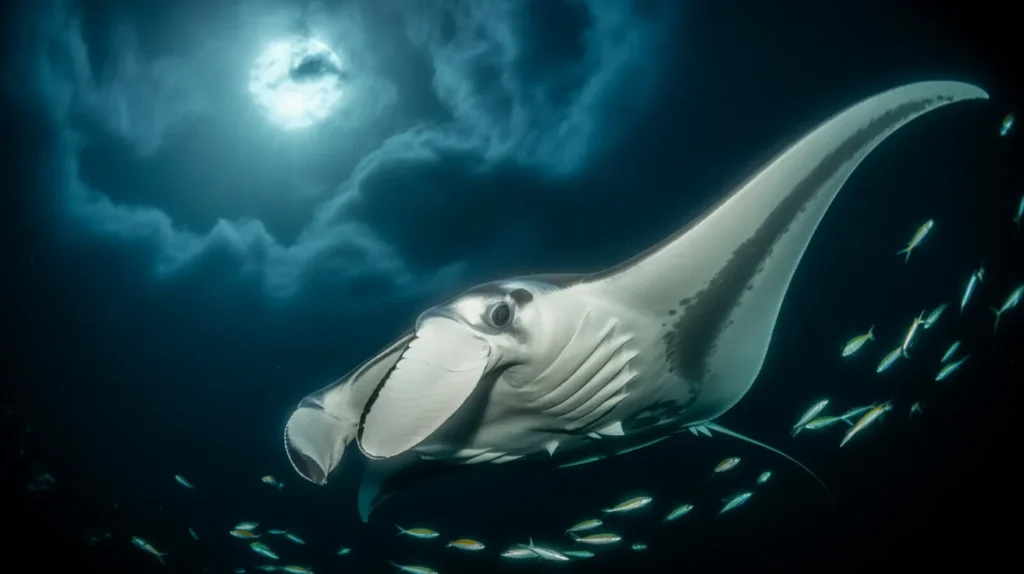
First guests travel by boat to a known manta feeding area. The ride usually takes 15 to 30 minutes depending on the location. Next guides provide safety instructions and snorkel gear. Guests then hold onto a floating light board that shines powerful lights into the water.
These lights attract plankton which attracts manta rays. Soon the mantas glide below the snorkelers in graceful loops. Watching these giant rays swim only a few feet away feels surreal.
Their slow movements create a peaceful underwater ballet. Many visitors compare different islands when planning ocean activities, which is why guides like Maui vs Kauai Hawaii can help travelers decide where to go.
Best Time to See Manta Rays in Hawaii
Many travelers ask about the best time to see manta rays in Hawaii. The good news is that manta rays live in Hawaiian waters all year. That means you can snorkel with them during any season.
Ocean conditions change during the year though. Summer often brings calmer seas and smoother boat rides. Winter sometimes brings larger swells which can make snorkeling rougher. Because of these conditions Kona operators report high success rates throughout the year.
Are Manta Rays Dangerous?
No. Manta rays are completely harmless to humans. Many people confuse manta rays with stingrays. Stingrays have barbed tails while manta rays do not.
Manta rays eat tiny plankton and small fish. They filter food through their gills while swimming. Their large mouths might look dramatic but they pose no threat. The biggest rule during manta ray snorkeling is simple. Never touch them.
Touching manta rays removes a protective mucus layer on their skin. This layer protects them from infections. Responsible tours always remind guests to keep their hands to themselves. Visitors planning their vacation often read about the best island to visit in Hawaii to decide where to experience unique wildlife encounters.
Are There Manatees in Hawaii?
Travelers often ask are there manatees in Hawaii when researching marine life. The answer is no. Manatees live mainly in the Atlantic Ocean and parts of the Caribbean.
Hawaii does not have manatees. Instead the islands are home to manta rays dolphins sea turtles and tropical reef fish. So when people search for manta rays Kauai they are looking for a completely different animal than a manatee.
Manta Ray Snorkel for Non Swimmers
Many visitors worry about snorkeling at night especially beginners. The good news is that a manta ray snorkel for non swimmers is often possible.
Guests usually hold onto a large floating board during the snorkel. This board keeps everyone together and provides support in the water. Some operators also allow guests to watch from the boat if they prefer not to enter the ocean.
Because of this setup even beginners can enjoy the experience.
Mauna Kea Beach Snorkeling and Manta Rays
Another location travelers often research is Mauna Kea Beach. This area offers beautiful Mauna Kea beach snorkeling during the day and occasional manta ray sightings at night. The nearby Mauna Kea Beach Hotel has lights that sometimes attract plankton which brings manta rays close to shore.
Visitors sometimes watch Mauna Kea Beach Hotel manta rays from the shoreline or during night snorkeling trips. These sightings contribute to the reputation of the Mauna Kea manta ray viewing area.
Can You See Manta Rays Without Snorkeling?
Many travelers wonder can you see manta rays without snorkeling. Yes. Some places allow viewing from boats docks or shoreline lights where plankton gathers.
At locations like Mauna Kea Beach Hotel manta rays sometimes swim close enough for guests to watch from land. While this is less common than snorkeling it still offers a chance to see these amazing animals.
Manta Ray Snorkeling on Oahu
Another popular search is manta ray snorkeling Oahu or manta snorkel Oahu. Oahu does have occasional manta sightings and a few experimental tours. Some travelers try to swim with manta rays Hawaii Oahu though sightings remain unpredictable.
Compared to Kona the success rate for manta ray snorkel Oahu experiences remains much lower. For reliable encounters most travelers still visit the Big Island.
Final Thoughts on Manta Ray Snorkel Kauai
Searching for manta ray snorkel Kauai experiences often leads travelers to one surprising answer. Kauai has manta rays but reliable Kauai manta ray snorkel tours remain rare. Sightings happen occasionally near deeper reefs but they are unpredictable.
If seeing manta rays sits high on your Hawaii bucket list the best option is visiting Kona for a manta ray snorkel Big Island tour or the famous Kona manta ray night snorkel. Still Kauai remains a fantastic destination for snorkeling marine life and breathtaking coastal scenery.
With the right expectations you can enjoy the island while planning a separate manta ray adventure nearby.
Manta rays live in waters around Kauai, but regular manta ray snorkel tours are rare. Most reliable manta ray snorkeling in Hawaii happens on the Big Island near Kona where sightings are more consistent.
Manta rays are occasionally seen near reefs and deeper waters around Kauai. Some divers report sightings near places like Poipu Beach and Tunnels Beach, though encounters are not guaranteed.
The best manta ray snorkeling in Hawaii happens on the Hawaii Island near Kona. Popular sites like Manta Village and Manta Heaven have very high sighting rates during night snorkel tours.
Manta rays can be seen year-round in Hawaii. Summer months usually offer calmer ocean conditions, but sightings during night snorkel tours near Kona remain consistent throughout the year.
Yes. Many manta ray snorkel tours allow beginners and non-swimmers. Guests usually hold onto a floating board with lights while guides supervise the group in the water.
Manta rays are harmless to humans. They have no stingers or teeth and feed on plankton. Guides only ask snorkelers not to touch them to protect the manta rays’ sensitive skin.
Yes. Sometimes visitors can see manta rays from shore or boats when lights attract plankton at night. Rare sightings have been reported near Mauna Kea Beach Hotel where lights draw manta rays close to the water surface.
Manta rays are much larger and do not have a stinger on their tail. Stingrays have a barbed tail for defense, while manta rays are gentle filter feeders that eat plankton.
Most manta ray snorkel tours take place in water about 25 to 40 feet deep. Snorkelers stay on the surface while manta rays swim below them near feeding lights.
Tour operators place bright lights in the water which attract plankton. Manta rays follow the plankton to feed, which brings them close to snorkelers during night tours.