Bishop Museum Oahu: A Complete Visitor Guide 2026

If you are planning a trip to Oahu, Bishop Museum Oahu is one attraction you simply cannot skip. This is Hawaii’s largest and most celebrated museum, and it has been ranked the #1 museum in the state by TripAdvisor. Whether you love history, science, or culture, this place has something incredible for everyone.
Bishop Museum Oahu sits in the Kalihi district of Honolulu, just a few miles from downtown and Waikiki. It is one of the top things to do in Oahu for travelers interested in history and culture. It is home to over 25 million historical, cultural, and natural treasures — all under one roof. Visitors regularly describe it as Hawaii’s answer to the Smithsonian Institution in Washington, D.C.
Bishop Museum Oahu is Hawaii’s top-rated cultural museum, located at 1525 Bernice Street, Honolulu. Open daily 9 AM–5 PM, it features Hawaiian Hall, Pacific Hall, a Science Adventure Center, and a planetarium. Admission is approximately $34 per adult.
In this guide, you will learn everything you need to plan the perfect visit. We cover the best exhibits, honest ticket pricing, parking tips, family-friendly advice, and the top things to do nearby. Whether this is your first visit or your fifth, this is the most complete Bishop Museum travel guide you will find online.
Is Bishop Museum Worth It? (Honest Review)
Yes, it is worth visiting if you enjoy history, science, and Hawaiian culture. The museum gives a deep look into Polynesian heritage, volcanoes, and space science. It is educational and works well for families and curious travelers.
But if you only want fun or entertainment, it may feel slow. It is not a flashy attraction. The value depends on how much you enjoy learning and exploring exhibits at your own pace.
Who Should Go
This place is perfect for families, students, and history lovers. If you enjoy museums, culture, or science, you will find it very interesting.
It is also great for first-time visitors in Honolulu who want to understand Hawaiian history better. The exhibits are easy to explore and well organized.
Who Should Skip
If you prefer beaches, adventure activities, or fast-paced attractions, you may not enjoy it much. The experience is mostly indoor and educational.
Also, if you are short on time in Oahu, you might want to prioritize outdoor spots instead. This museum takes time to fully appreciate.
Value vs Price
The ticket price feels fair for what you get. You see multiple exhibits, cultural collections, and interactive science displays in one place.
However, the value depends on interest. If you enjoy museums, it feels worth it. If not, it may feel like a basic indoor activity.
What to Expect Inside (Real Experience)
When you enter, you first see the main Hawaiian cultural exhibits. The entrance gives a calm and organized feel, and maps help you plan your visit easily.
Inside, you will explore Hawaiian artifacts, royal history, and Polynesian culture. Each section is clearly labeled and easy to walk through.
The science center area is more interactive. You can see volcano displays, learn about earthquakes, and explore natural science in simple ways.
The planetarium is another highlight. It shows stars, space, and Hawaiian navigation history, which connects culture with astronomy in an interesting way.
How Long You Really Need
A quick visit usually takes around 2 hours. This is enough to see the main exhibits and get a basic overview of the museum.
If you want a deeper experience, plan around 3 to 4 hours. This gives you time to explore everything without rushing.
For full experience lovers, 4+ hours is ideal. You can read displays, watch shows, and enjoy each section properly.
Quick History of Bishop Museum Oahu
Who Founded Bishop Museum
Bishop Museum Honolulu was founded in 1889 by Charles Reed Bishop, a successful American businessman and banker. It is one of the best places to learn about Hawaiian history and culture. He created the museum in memory of his wife, Princess Bernice Pauahi Bishop, who was the last direct descendant of the royal Kamehameha dynasty — the founders of the unified Hawaiian Kingdom.
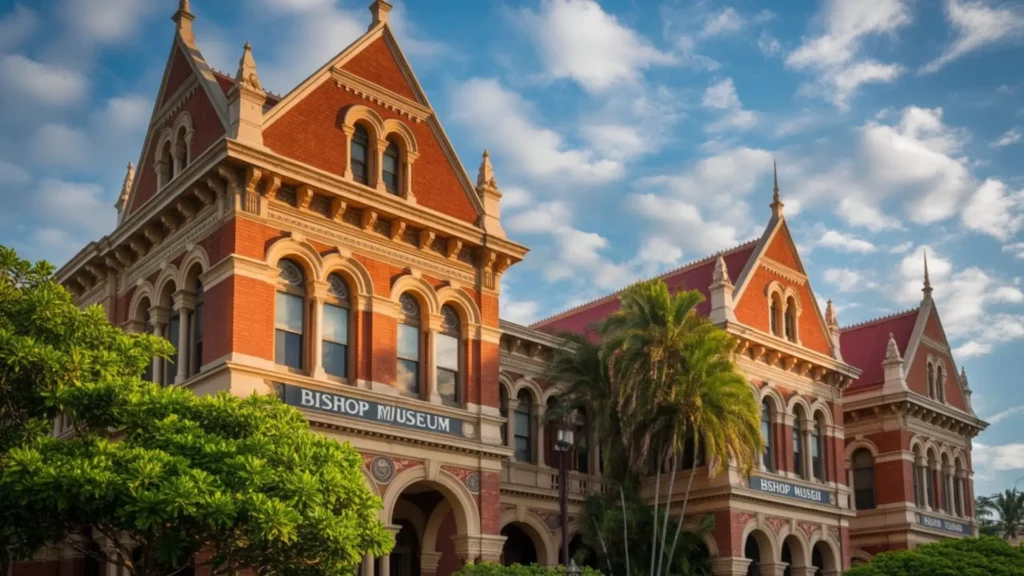
Princess Bernice Pauahi was deeply beloved in Hawaii. She wanted her family’s treasured collection of royal artifacts and heirlooms to be preserved for future generations. After she passed, Charles Reed Bishop honored her wish by establishing this museum and dedicating it entirely to her memory and to Hawaiian culture and history.
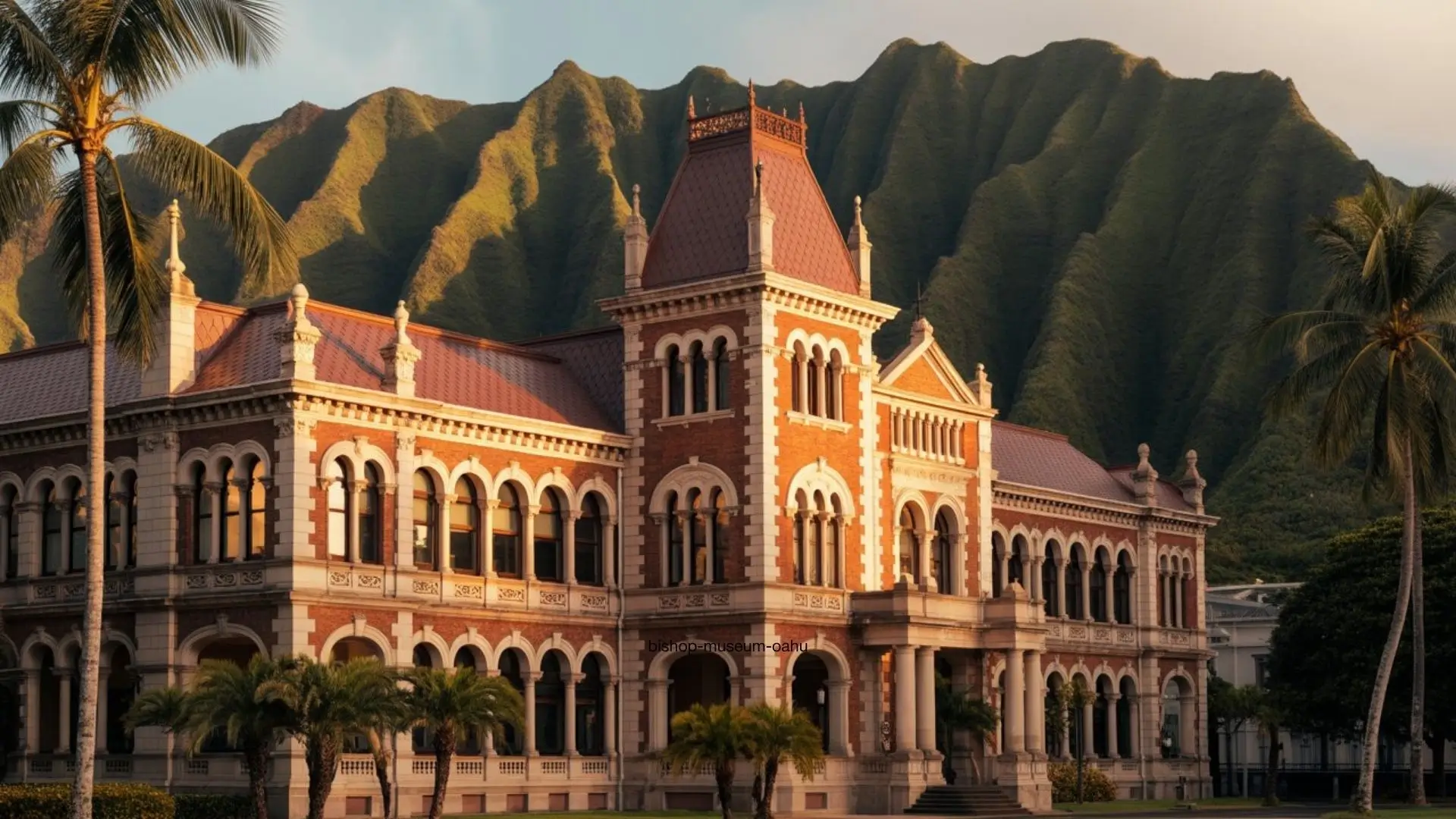
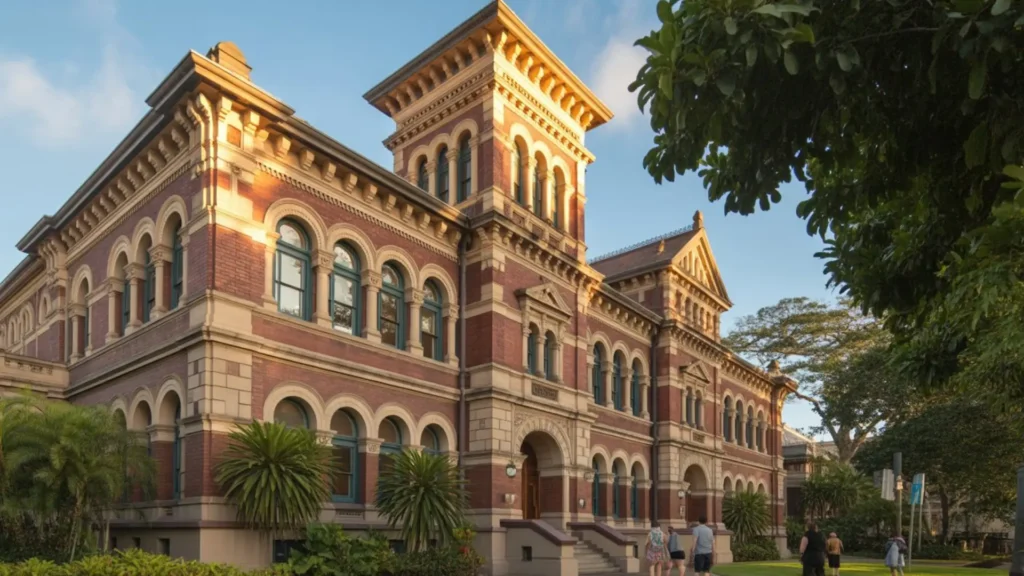
From day one, Bishop Museum was built to be more than a storehouse. It was designed to celebrate and protect the living heritage of Hawaii and the entire Pacific region. The original stone building still stands today as a stunning example of Victorian-era architecture that adds to the museum’s unique charm.
Historical Importance in Hawaiian Culture
Bishop Museum quickly grew beyond just a collection of royal heirlooms. Today it stands as the royal Hawaiian heritage museum for the entire state of Hawaii. It holds the world’s largest collection of Polynesian cultural artifacts and natural history specimens.
The museum played a major role in preserving Hawaiian culture at a time when many traditions were at risk of being lost. It houses many artifacts that make it one of the top places to visit in Oahu for history lovers. It housed the personal belongings of Hawaiian kings and queens, rare featherwork, weapons, clothing, and artifacts from across the Pacific Ocean. Over 130 years later, it continues to protect and share this irreplaceable history.
Today, Bishop Museum is officially designated the Hawaii State Museum of Natural and Cultural History. It is a place where the past and present of Hawaii are kept alive.
What to See at Bishop Museum Oahu (Top Exhibits Guide)
Hawaiian Hall Highlights
Hawaiian Hall is the crown jewel of Bishop Museum Oahu. It is housed inside the original Victorian-era stone building and spans three breathtaking floors. Each floor takes you on a journey through the different realms of Hawaiian life and belief.
The ground floor, called Kai Akea, brings to life the Hawaiian gods, legends, and spiritual beliefs of pre-contact Hawaii. You will see magnificent carvings, ceremonial objects, and powerful displays that explain the origins of the Hawaiian people. One of the most impressive pieces here is the royal feather cape once worn by King Kamehameha himself.
On the second floor, Wao Kanaka explores the role of nature and land in daily Hawaiian life. Here you can see the remarkable Kāhili Room, filled with towering feather standards that represented the ali’i (chiefs) of Hawaii. The third floor, Ao, focuses on the modern history of the Hawaiian islands and the connections between Polynesia and the wider world. Look up — a 55-foot sperm whale skeleton hangs overhead and is truly jaw-dropping.
Pacific Hall Collections
Pacific Hall is a treasure trove of Polynesian artifacts and exhibits from across the Pacific Ocean. This gallery connects the dots between Hawaii and the broader family of Pacific Islander cultures, from Tahiti and Fiji to the Aboriginal peoples of Australia.
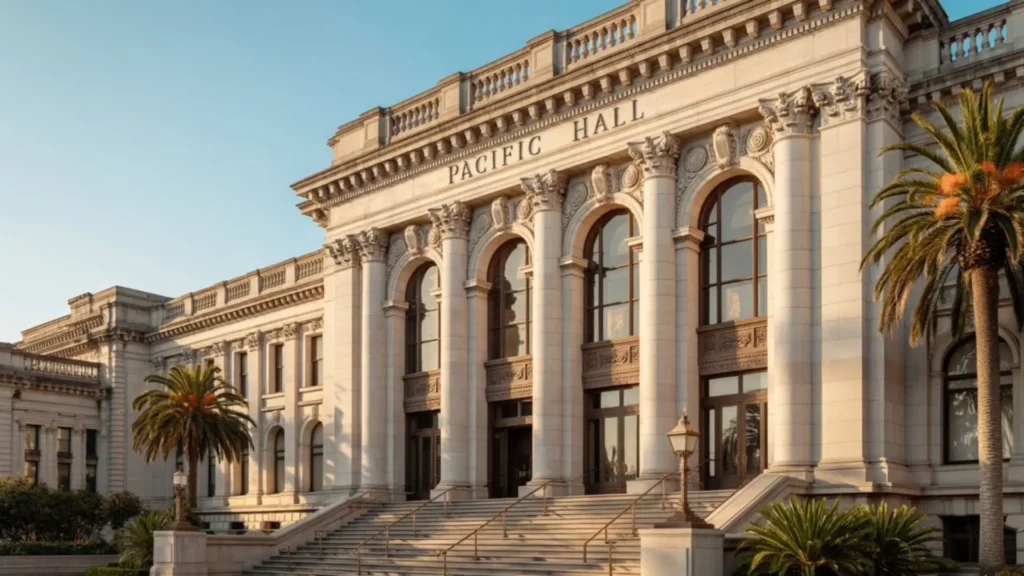
Inside Pacific Hall, you will find ceremonial objects, traditional clothing, musical instruments, tools, household items, weapons, and even full-size traditional canoes. It is a must-visit for those interested in Oahu cultural attractions. There is a mini archaeology site on the second floor where visitors can explore the tools and techniques used by field anthropologists.
This section is where you truly grasp how Polynesian navigators managed to sail thousands of miles across open ocean using only the stars and nature as guides — a skill that shaped the entire history of the Hawaiian islands.
Science Adventure Center & Planetarium
The Richard T. Mamiya Science Adventure Center is one of the most exciting parts of Bishop Museum for visitors of all ages. This modern, interactive building gives you a hands-on journey through Hawaii’s natural environment — from volcanoes to ocean life.
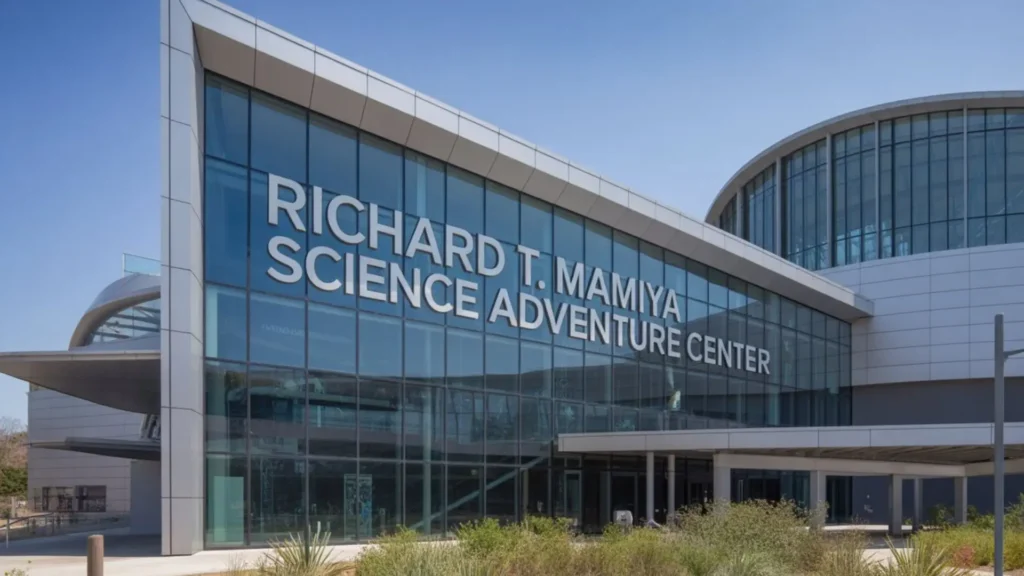
The centerpiece is the signature volcano display, which erupts every seven minutes and even allows visitors to see real molten lava poured from a furnace in the Hot Spot Theater. You can also explore the glow-in-the-dark Hawaiian Origins Tunnel, ride an interactive invasive snail model, and “hang ten” on a replica of Duke Kahanamoku’s historic surfboard.
The J. Watumull Planetarium, Oahu’s only planetarium, rounds out the experience beautifully. Shows change regularly and often feature traditional Polynesian wayfinding and star navigation stories. Planetarium admission is just $3 extra per person and is well worth it.
Best Things to Do at Bishop Museum Oahu
Bishop Museum is not just about looking at displays. There is a full range of experiences waiting for you on the campus.
Join one of the free daily public tours inside Hawaiian Hall led by knowledgeable docents. It’s a great addition to your Oahu weekend itinerary if you want a deeper cultural experience. These guides bring the collections to life in a way that reading exhibit labels alone never can. Many visitors say that meeting a docent was the highlight of their entire trip.
Watch the live lava demonstration in the Hot Spot Theater at the Science Adventure Center. Real molten lava is poured out of a furnace as staff explain the volcanic origins of the Hawaiian islands. It is thrilling for adults and children alike.
Check out whatever special exhibit is running during your visit in Castle Hall. Past exhibits have featured Hawaiian fashion history, surfboard collections, deep-sea creatures, and more. These rotating exhibits ensure there is always something fresh to discover, even for repeat visitors.
Explore the beautifully maintained grounds and enjoy a meal at Tūtū’s Place by Highway Inn, located right on campus. This locally loved restaurant serves authentic Hawaiian plates, poke bowls, sandwiches, and snacks from 10:30 AM to 3:30 PM daily. After eating, browse Shop Pacifica, the museum’s gift shop, for high-quality Hawaiian art, books, crafts, and souvenirs.
Bishop Museum Oahu Tickets, Hours & Admission Prices
Bishop Museum hours: Open daily from 9:00 AM to 5:00 PM. General admission bookings are accepted for arrivals between 9:00 AM and 4:00 PM, with guests allowed to stay until closing.
The museum is closed on Thanksgiving Day and Christmas Day. It is always a good idea to check the official website before your visit, especially around holidays.
Admission Price Guide
| Ticket Type | Price |
|---|---|
| Adult (general admission) | ~$34 per person |
| Youth (ages 4–17) | Discounted rate (check website) |
| Planetarium add-on | $3 per person |
| Special exhibits | $3 for most members |
| SNAP EBT cardholders | Free admission (up to 4 people) |
| Museum members | Free (with valid membership) |
Bishop Museum tickets can be purchased online in advance — and this is highly recommended. Buying online often saves around 20% compared to walk-in prices. The museum is credit card only and does not accept cash.
Parking fees: $16 per vehicle for non-residents, $8 for Hawaii residents, and free for museum members (with a valid parking sticker). Off-season discounts on weekdays (Monday–Friday) are sometimes available through select booking partners.
Pro tip: Apply your admission cost toward a museum membership within 7 days of your visit at the Shop Pacifica admissions desk. If you plan to visit more than once, a membership pays for itself quickly.
Best Time to Visit Bishop Museum Oahu
The best time to visit Bishop Museum Oahu is on a weekday morning, arriving right when doors open at 9:00 AM. This is when crowds are at their smallest and you have the halls mostly to yourself for the first hour or two.
In terms of time of year, the museum is open 365 days a year (except Thanksgiving and Christmas). Weekends and school holidays tend to be the busiest. If you have flexibility, visiting between January and March or September and November tends to mean fewer crowds than peak summer season.
Best time of day: Morning visits are ideal. The museum grounds are pleasant in the early morning before the midday heat sets in. Plan to arrive early, explore the main halls first, grab lunch at Tūtū’s Place around 11:30 AM, and then wrap up with the Science Adventure Center and Planetarium in the afternoon.
Rainy days: Bishop Museum is one of the best things to do in Honolulu on a rainy day. Almost everything is indoors, and the experience is not affected by weather at all. Many visitors say it turned out to be one of their best rainy-day decisions on Oahu.
Tips for Visiting Bishop Museum Oahu
What to Bring
Pack a refillable water bottle — Bishop Museum is a single-use plastic-free campus, so water fountains are available but single-use bottles are not sold on site. Comfortable walking shoes are a must since you will be on your feet for several hours across multiple buildings.
Backpacks over 20 pounds and travel luggage are not allowed inside exhibit spaces. You can check these items at the admissions desk for a $5 fee per item. Service dogs are welcome but must be announced at the admissions desk upon arrival.
How Much Time You Need
Plan for a minimum of 3 hours if you want to hit the main highlights — Hawaiian Hall, Pacific Hall, and the Science Adventure Center. If you are a deep reader who loves to absorb every detail, budget 5–6 hours or even a full day.
Families with young children may move faster through some of the history sections but will want extra time at the interactive Science Adventure Center displays and the volcano theater.
Best Time of Day
As mentioned above, mornings are best. Arrive at 9:00 AM, start with Hawaiian Hall (the most popular space), then move to Pacific Hall, grab lunch at Tūtū’s Place, and finish with the Science Adventure Center and Planetarium in the afternoon. This order keeps you ahead of tour groups and school visits.
How to Get to Bishop Museum Oahu (Location & Parking Guide)
Bishop Museum location: 1525 Bernice Street, Honolulu, HI 96817. It is located in the Kalihi district of Honolulu, close to downtown Honolulu and Honolulu International Airport.
By bus: Take TheBus Route #2 (School St/Middle St direction) from Waikiki or downtown Honolulu. Get off at the intersection of School Street and Kapālama Street. It is then about a 6-minute walk to the museum entrance. This is one of the easiest and most affordable ways to reach the museum.
By trolley: The Lea Lea Trolley also stops at Bishop Museum. Check the trolley website for current times and routes.
By car: The museum is conveniently accessible via the H-1 Freeway. Take the Houghtailing Street exit and follow signs to Bernice Street. Parking on-site costs $16 for non-residents, paid via QR code (phone required). Free street parking is sometimes available along Bernice Street and Kapalama Street nearby.
From Waikiki: The drive is approximately 15–20 minutes without traffic, or 25–35 minutes by bus. From Honolulu Airport, it is about 10 minutes by car.
Things to Do Near Bishop Museum Oahu
Bishop Museum is surrounded by some excellent Honolulu attractions, making it easy to build a full day of culture and exploration.
Foster Botanical Garden is just a short ride away and offers a beautiful, shaded escape into rare tropical plants. It is free for children under 5 and very affordable for adults. A wonderful complement to the cultural history you explored at the museum.
Iolani Palace is about 10 minutes away in downtown Honolulu and is the only official royal palace on U.S. soil. Many experienced travelers recommend visiting Bishop Museum first, then Iolani Palace to deepen your understanding of Hawaiian royalty and history.
Chinatown Honolulu is also close by and offers excellent dining, art galleries, flower lei shops, fresh produce stalls, and local flavor. It is a great spot for a casual dinner or post-museum snack. The area is lively and growing with new restaurants and creative businesses.
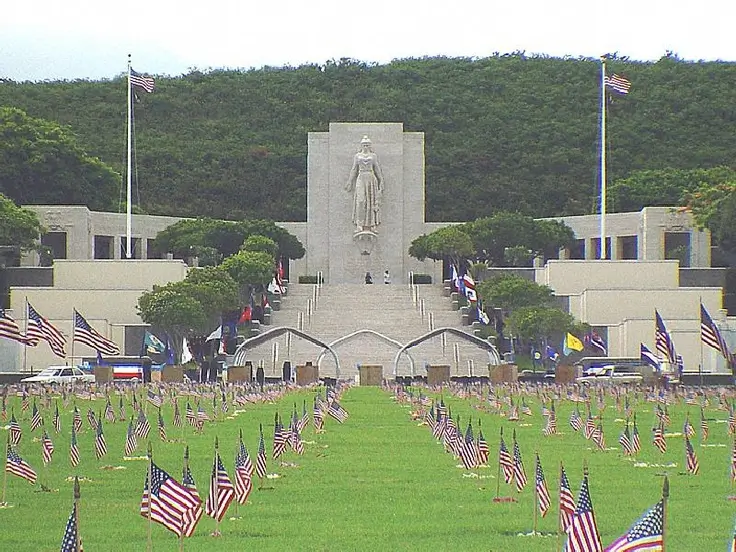
Other great options nearby include the Honolulu Museum of Art (HoMA), the National Memorial Cemetery of the Pacific at Punchbowl Crater, and Honolulu Harbor. Pearl Harbor and the USS Arizona Memorial are about 20–25 minutes west by car and make for a powerful full day of history when combined with a Bishop Museum visit.
Bishop Museum Oahu for Kids and Families
Bishop Museum is one of the best family attractions in Honolulu, and it is exceptionally well-suited for children. The museum offers interactive exhibits, live demonstrations, and hands-on activities that keep kids engaged for hours.
The Science Adventure Center is the undisputed favorite among younger visitors. Kids can control lava flows, ride a giant invasive snail model, touch scientific specimens, and watch the volcanic eruption show every seven minutes. The glow-in-the-dark Hawaiian Origins Tunnel is thrilling and educational at the same time.
The planetarium show is another huge hit with children. Watching the night sky of Hawaii projected overhead while learning how Polynesian navigators used the stars is a magical experience that sparks curiosity and wonder. Shows typically run multiple times per day.
Tips for families: Bring snacks for little ones, as Tūtū’s Place kitchen closes at 3:30 PM. Let kids lead in the Science Adventure Center — they will discover more when they explore freely. And do not miss the volcanic eruption show in the Hot Spot Theater. It is scheduled regularly and well worth timing your visit around.
SNAP EBT cardholders receive free admission for up to four people, which makes Bishop Museum an accessible option for all families.
Travel Tips & Common Mistakes to Avoid
Book tickets online in advance. Walk-in prices are higher. Buying online can save around 20% and avoids lines at the admissions desk. Just show your ticket at the window.
Do not underestimate the size. Many visitors arrive thinking 1–2 hours will be enough, then regret not setting aside more time. Plan for at least 3 hours, ideally half a day.
Do not skip the guided tour. The free daily docent tours inside Hawaiian Hall are outstanding. They add layers of context and storytelling that make the artifacts come alive. Check the daily schedule at the admissions desk.
Check what exhibits are open before you go. Occasionally, individual buildings or displays are temporarily closed for maintenance or conservation. A quick check of the museum’s website or a phone call can save disappointment.
Bring cash for small purchases — actually, don’t. The museum is cashless and accepts credit cards only. Make sure your card is ready for admission, parking, the planetarium, and any purchases at the gift shop or café.
Park strategically. On-site parking is paid via QR code. If you do not have a smartphone, look for free street parking on Bernice Street or Kapalama Street nearby. Arriving before 9:30 AM usually means plentiful spots available.
Eat before 3:30 PM. The on-site café, Tūtū’s Place, closes at 3:30 PM daily. If you arrive late in the day and plan on eating there, head to lunch first before exploring the afternoon exhibits.