Maui Itinerary 2026: The Complete Day-by-Day Guide (3, 4, 5, and 7 Days)

I still remember my first morning on Maui. I stood in the dark at almost 10,000 feet, wrapped in a blanket I had bought at Walmart the day before, waiting for the sun to rise over Haleakalā. My hands were freezing. My coffee had gone cold in ten minutes. And then the sky turned orange, then pink, then gold, and I forgot all about the cold. That single sunrise is the reason I keep coming back to this island, and it’s the reason I put together this guide.
This is not a copy-paste itinerary. It is built from real trips, real mistakes (yes, I missed a snorkel boat once because I forgot Maui traffic is real), and the newest 2026 information you need before you land — including changes in Lahaina, the Haleakalā reservation system, and where short-term rentals stand right now. Whether you have 3 days or a full week, you will find a plan here that works. If you are hopping over from Honolulu first, make sure to check our guide on how to travel from Oahu to Maui before booking your flights.
Quick Answer: How Many Days Do You Need in Maui?
- 3 days – Enough for one big highlight (Road to Hana or Haleakalā) plus beach time.
- 4 days – Room for both big highlights without rushing.
- 5 days – The sweet spot for most families and couples.
- 7 days – Enough to slow down, snorkel Molokini, and add a day trip to Lanai.
If this is your only trip to Hawaii this year, aim for 5 to 7 days. Still debating between islands? Read our breakdown of Maui vs Kauai to decide which island fits your travel style best.
Before You Plan: What’s Different About Maui in 2026
Most guides skip this part, but it changes how you should plan your trip.
Lahaina town is still not a tourist stop. After the 2023 wildfire, West Maui resorts in Kāʻanapali, Kapalua, Napili, and Honokowai are open and running like normal. But Front Street and the old town center remain a closed rebuilding zone. Locals have asked visitors to skip disaster sightseeing out of respect. You do not need to cancel a West Maui trip — just plan your beach days, dinners, and tours around Kāʻanapali and Kapalua instead of downtown Lahaina.
Short-term rentals changed in January 2026. Maui County finished phasing out thousands of unpermitted vacation rentals in the Lahaina area. Book only through licensed hotels, condos, or clearly permitted vacation rental companies. This also means rooms can book up faster than in past years, so reserve early.
Haleakalā sunrise needs a paid reservation. This trips up a lot of first-time visitors… To avoid missing out, read our complete guide to advance reservations required in Maui before landing. If you want to watch sunrise from the summit, you must book a $1 vehicle reservation on Recreation.gov, on top of the regular $30 park entrance fee. Tickets release 60 days ahead and again 48 hours ahead, both at 7:00 a.m. Hawaii time. If you miss both windows, sunset at the summit is just as beautiful, has smaller crowds, and needs no reservation at all.
Tourism is welcomed, and it matters more than ever. Tourism still funds most local jobs on Maui. Spending your money at family-run restaurants and local tour operators, instead of big chains, genuinely helps the island recover.
Keep these four points in mind, and the rest of your planning gets much easier.
When to Visit Maui
Maui is warm all year, so weather is not the main thing to plan around.
- April–May and September–October bring lower prices and thinner crowds. These are often called the shoulder seasons.
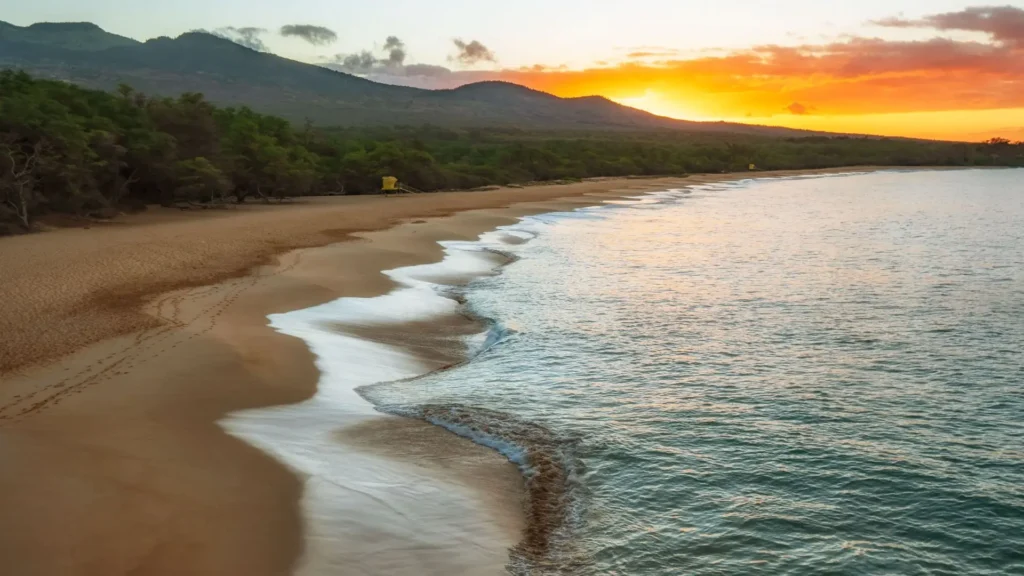
- December–March is whale season. Humpback whales swim near Maui’s coast, and you can often spot them from the beach, no boat needed.
- June–August is busiest, since it lines up with US summer break. Book your car and hotel early if you’re traveling then.
Getting Around Maui
Rent a car. This is not optional advice — it’s the truth. Maui has no useful public transit for visitors, and the best beaches, waterfalls, and viewpoints are spread across the island. Book your rental car weeks in advance, since Maui cars sell out faster than hotel rooms during busy months.
Where to Stay: Choosing Your Home Base
Where you sleep shapes your whole trip, since Maui’s regions each have a different feel.
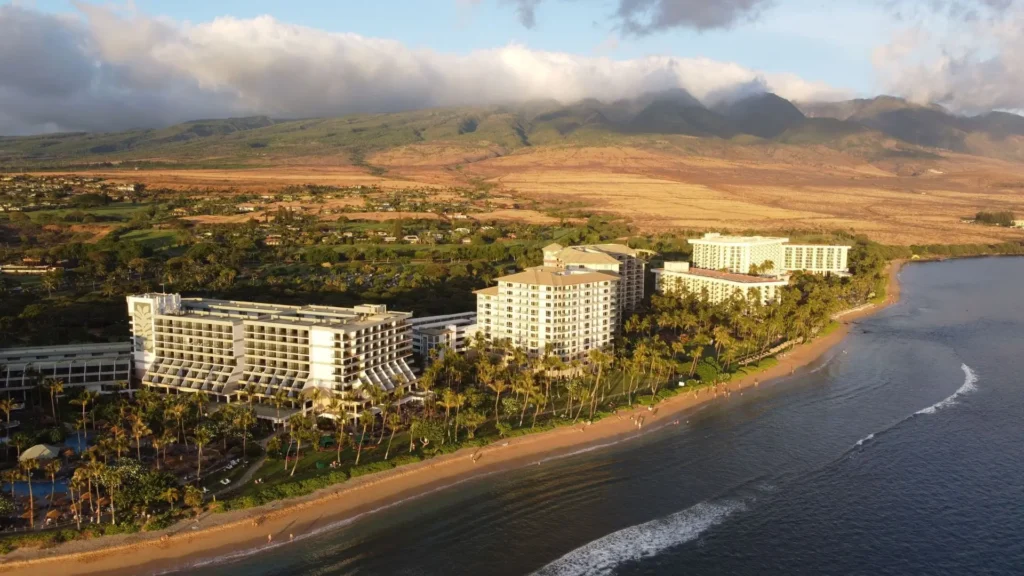
West Maui (Kāʻanapali, Kapalua, Napili) – Resort-heavy, calm swimming beaches, and the closest area to whale-watching waters in winter. This is a strong pick for first-time visitors who want a classic Hawaii resort feel, and it’s fully open and running normally in 2026.
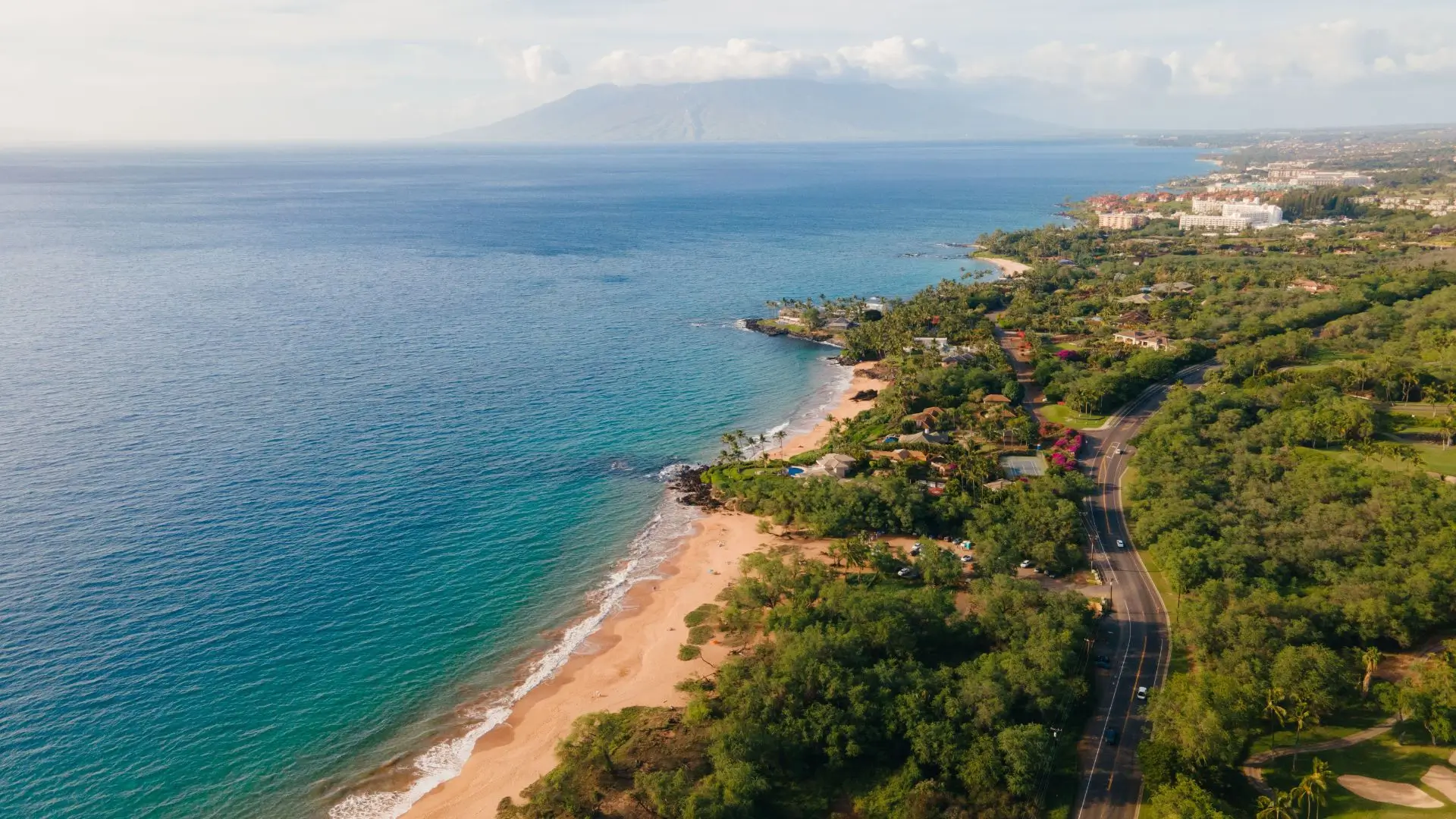
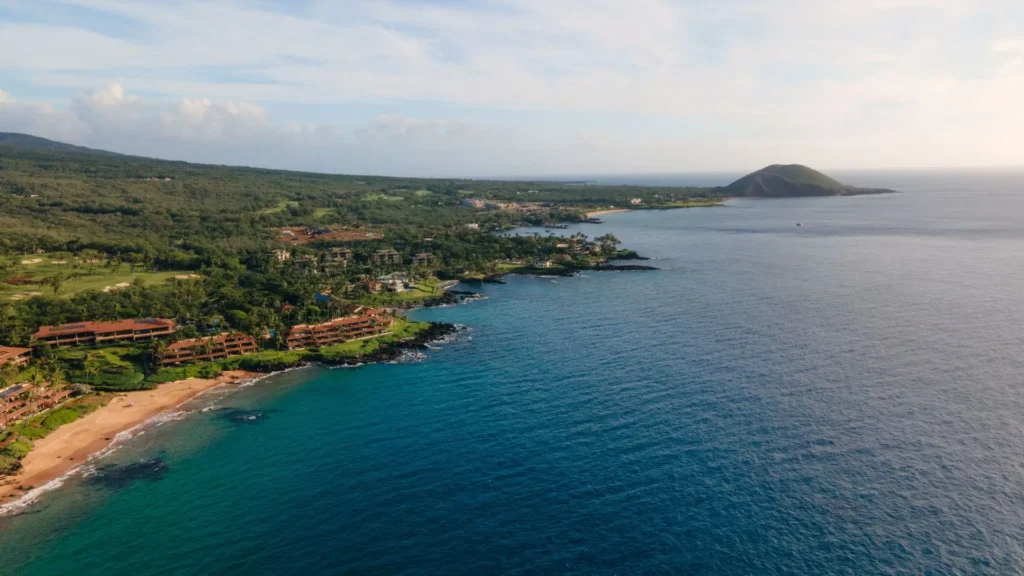
South Maui (Kihei, Wailea, Maʻalaea) – Sunnier, drier weather, calmer water for families, and shorter drives to Molokini snorkel boats. Wailea leans upscale, while Kihei is more budget-friendly with condos and local restaurants.
Upcountry (Makawao, Kula) – Cooler air, farm stands, and lavender fields, with easy access to Haleakalā. Check out our detailed Upcountry Maui guide for a change of pace from the beach. A good pick for one or two nights if you want a change of pace from the beach.
Hana – Staying a night here breaks up the long Road to Hana drive and lets you enjoy the black sand beaches without rushing back before dark.
Most travelers do well picking one main base in West or South Maui, then adding a night in Hana if their trip is 5 days or longer.
How Much Does a Maui Trip Cost?
Maui isn’t a cheap destination, but you can control the biggest costs.
- Rental car: Often $60–$120 per day, more in summer. Book early for better rates.
- Hotels and condos: Budget condos in Kihei can run $150–$250 a night, while resorts in Wailea or Kāʻanapali often start around $400 a night and climb from there.
- Food: Plan on $50–$80 per person per day if you mix food trucks, poke shops, and one or two sit-down dinners.
- Snorkel tours: Molokini trips typically run $100–$180 per person, including gear and breakfast or lunch.
- Haleakalā: $30 park entrance (covers 3 days) plus a $1 sunrise reservation if you want the summit before dawn.
A realistic mid-range budget for two people on a 5-day Maui trip lands somewhere between $2,500 and $4,000, not including flights.
Maui Itinerary: 3 Days
Three days is tight, so this plan picks one big adventure day and keeps the rest relaxed.
Day 1: Arrive and Settle In Land at Kahului Airport, pick up your rental car, and check in. Spend the afternoon at a nearby beach like Kāʻanapali Beach or Kamaʻole Beach in Kihei. Skip anything that needs planning today — your body needs the rest after travel.
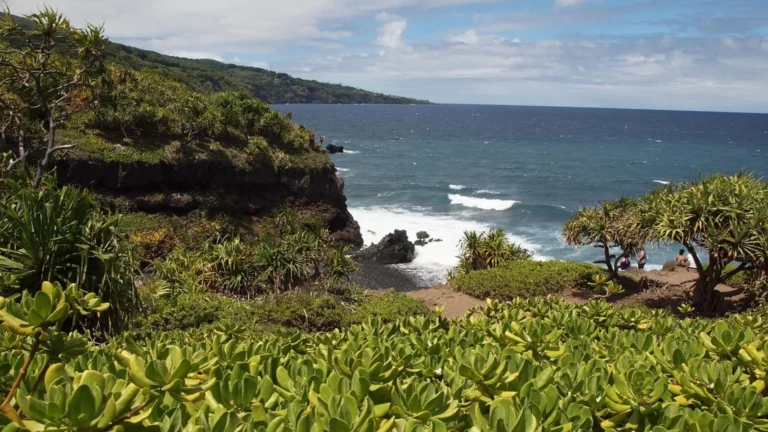
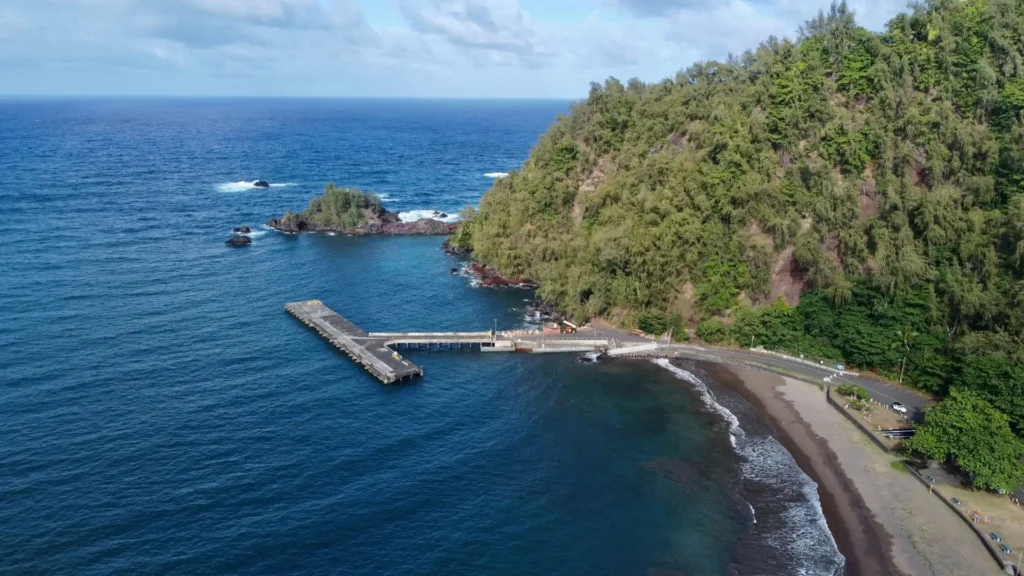
Day 2: Road to Hana Wake up early, pack snacks and swimsuits, and drive the Road to Hana. This is a slow, winding coastal road with over 600 curves and 59 one-lane bridges, so give yourself the whole day. Stop at Twin Falls, Wailua Valley, and Waiʻānapanapa State Park, home of Maui’s famous black sand beach. Bring cash for the farm stands along the way — they’re some of the best banana bread you’ll ever eat.
Day 3: Beach Day or Snorkel Trip Book a morning snorkel tour to Molokini Crater, a crescent-shaped reef with some of the clearest water in Hawaii. If boats are full, spend the morning at a calm snorkel beach like Kāʻanapali or Ulua Beach, then relax before your flight home.
Maui Itinerary: 4 Days
Four days lets you fit in both Haleakalā and Hana without feeling rushed.
- Day 1: Arrive, check in, easy beach afternoon.
- Day 2: Road to Hana (full day).
- Day 3: Haleakalā sunrise (book that reservation!) followed by a nap, then an afternoon snorkel session or a stroll through Paia town.
- Day 4: Free morning at the beach, then departure.
Maui Itinerary: 5 Days
This is the plan I recommend most, especially for a first Maui trip.
- Day 1: Arrive, unpack, sunset at your resort beach.
- Day 2: Road to Hana, staying overnight near Hana if you want to avoid the drive back in the dark.
- Day 3: Return drive with stops at Haleakalā National Park’s lower Kīpahulu section (the Pipiwai Trail and its bamboo forest is worth the walk).
- Day 4: Molokini snorkel tour in the morning, Wailea beach walk and sunset dinner in the evening.
- Day 5: Choose your own adventure: Iao Valley State Park, a surf lesson, or simply one more beach morning before you fly home.
Maui Itinerary: 7 Days
Seven days is when Maui really opens up. You get time to slow down and explore corners that shorter trips have to skip.
- Day 1: Arrive, unpack, easy sunset beach evening.
- Day 2: Road to Hana, spend the night in or near Hana.
- Day 3: Explore Hana town, Waiʻānapanapa black sand beach, and the Pipiwai Trail bamboo forest before heading back toward South or West Maui.
- Day 4: Rest day — sleep in, then a relaxed beach afternoon in Wailea or Kihei.
- Day 5: Haleakalā sunrise (reservation booked ahead of time), then a slow afternoon.
- Day 6: Molokini snorkel tour in the morning; in the afternoon, visit Iao Valley State Park or the Maui Ocean Center aquarium in Kihei.
- Day 7: Day trip to Lanai by ferry to snorkel Hulopoʻe Bay, or a relaxed final beach day before departure.
This structure also leaves room for a sunset dinner cruise, a luau night, or a whale-watching trip in winter months — add whichever fits your interests best.
Maui Itinerary With Kids (Family Plan)
Traveling with children changes what “must-do” means. Long car rides and early wake-up calls are harder with little ones, so this family version trades a bit of adventure for calmer days. Base yourself in South Maui (Kihei or Wailea). The beaches here have gentle, shallow water, which is much easier for young swimmers than the wilder North Shore. Shorten the Road to Hana. Instead of driving all the way to Hana town, turn around after Twin Falls and the Keʻanae Peninsula.
Kids get the waterfalls and ocean views without six hours in car seats. Skip the sunrise, do sunset instead. A 3 a.m. wake-up call rarely goes well with kids. Haleakalā sunset gives the same views with a much more human bedtime. The Maui Ocean Center is a family favorite. This aquarium in Kihei has touch pools, a shark tunnel, and shaded rest areas, and it’s air-conditioned, which parents appreciate on a hot afternoon.
Turtle Town snorkel spots near Olowalu let kids swim with green sea turtles without a boat, right from shore. Book a family-friendly luau. Most resort luaus welcome kids and include simple food options, fire dancing, and hula that older kids especially enjoy.
Maui Itinerary for Couples
If you’re planning a honeymoon or an anniversary trip, Maui has some of the best romantic settings in Hawaii. Stay in Wailea. It’s known for upscale resorts, quiet beaches, and beautiful sunset views without the busier crowds of Kāʻanapali. Book a sunset sail from Māʻalaea Harbor. Many small catamaran cruises include champagne and appetizers, and winter sailings often spot whales.
Private snorkel charters to Molokini feel far more special than the large group boats, and many operators offer smaller couples-only trips. Dinner in Paia town gives you a laid-back, artsy evening away from resort restaurants — great for a change of pace mid-trip. A helicopter tour over the West Maui Mountains or Haleakalā crater is a splurge, but it’s one of the most memorable things a couple can do together on the island.
Must-Do Things in Maui (No Matter How Many Days You Have)
If your time is short, prioritize this list: Road to Hana – The coastal drive itself is the destination. Haleakalā sunrise or sunset – Watching light hit a volcanic crater from above the clouds is unlike anything else. Snorkel Molokini Crater – Clear water, calm currents, and tropical fish everywhere. Swim with sea turtles at Turtle Town or Ho’okipa Beach.
Walk through Iao Valley State Park, home of the green, needle-shaped Iao Needle. Try local food — poke bowls, kalua pork, and shave ice are Maui staples worth seeking out. Watch the sunset from Kāʻanapali or Wailea Beach. Visit Paia town for boutique shops, food trucks, and a slower, local pace.
Practical Tips From Someone Who’s Made the Mistakes
- Fill up your rental car’s gas tank before the Road to Hana. Gas stations are rare past Paia.
- Book Molokini snorkel tours and Haleakalā sunrise reservations before you land, not after.
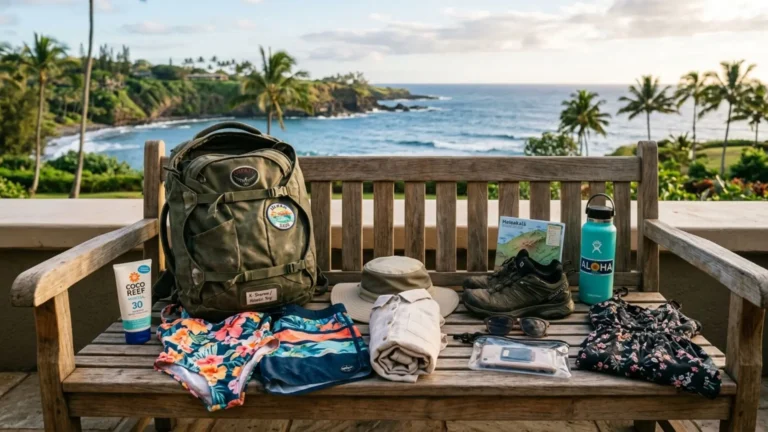
- Pack layers. Beach mornings can be 80°F, while the summit before dawn can drop below 40°F.
- Bring reef-safe, mineral sunscreen. Some regular sunscreens are restricted in Hawaii because they harm coral reefs.
- Give yourself buffer time between activities. Maui’s roads are scenic but slow, and rushing takes the fun out of the trip.
- Drive the Road to Hana with a full battery on your phone and offline maps downloaded. Cell service disappears for long stretches.
- Set up your Recreation.gov account and save your payment details before the Haleakalā booking window opens. This saves precious seconds when tickets go live.
- Choose licensed hotels or clearly permitted vacation rentals only. With unpermitted short-term rentals phased out in 2026, booking through a legitimate platform protects you from last-minute cancellations.
- Spend at family-owned restaurants and local tour operators when you can. It’s a small choice that makes a real difference for the community still rebuilding after 2023.
Final Thoughts
Maui rewards travelers who slow down. The best moments on this island rarely come from rushing between checklist stops — they come from the extra ten minutes at a waterfall, the unplanned stop at a fruit stand, or simply sitting on the sand a little longer after the sun goes down. Use this itinerary as your starting point, adjust it to your own pace, and you’ll come home with the same feeling I had after that first cold, unforgettable sunrise at Haleakalā: already planning your next trip back.
Frequently Asked Questions
Five days is ideal for most first-time visitors. It gives you room for Road to Hana, Haleakalā, and a Molokini snorkel trip, with rest days between the busy ones.
Three days covers the basics, but 5 to 7 days lets you actually relax between adventures, which most visitors say makes for a much better trip.
West Maui resorts near Kāʻanapali and Kapalua are fully open and welcome visitors. Lahaina town itself, especially Front Street, remains a closed rebuilding zone and is not currently a sightseeing stop.
Yes. A $1 vehicle reservation through Recreation.gov is required for cars entering the summit area between 3 a.m. and 7 a.m., in addition to the regular park entrance fee. Sunset requires no reservation at all.
Swimsuits, reef-safe sunscreen, a light rain jacket for Hana, and a warm layer for Haleakalā sunrise or sunset, since the summit is much colder than the coast.
Yes. South Maui’s calmer beaches, the Maui Ocean Center, and shorter versions of the Road to Hana all work well for families traveling with young children.