Best Adventure Travel Spots for Hiking and Surfing in the USA

The United States doesn’t just have mountains. It doesn’t just have waves. It has both, often within a few hours’ drive of each other, which is honestly a little unfair to the rest of the world.
If you’re searching for the best adventure travel spots hiking surfing USA has to offer, you’ll find an incredible mix of mountain trails, coastal hikes, world-class surf breaks, and outdoor adventures across the country. You can hike a granite canyon in the morning and paddle out into the Pacific by sunset. Try doing that in most countries and you’ll need three flights and a visa application. Here, you need a car, a decent playlist, and maybe some sunscreen.
This guide covers the budget best adventure travel spots for hiking and surfing in the USA, backed by real trail data, official park information, seasonal conditions, and practical travel advice instead of guesswork. No filler, no fake “hidden gem only 3 people know about” nonsense. Just solid, useful ground truth for planning your next adventure trip.
Why the USA Works So Well for Hiking and Surfing Trips
Few countries pack this much geographic variety into one map. You get desert canyons in Utah, glacier valleys in Montana, volcanic beaches in Hawaii, and Atlantic swells in North Carolina, all under one flag.
That variety means you rarely have to choose between mountains and ocean. Coastal California alone gives you redwood forests minutes from world-class surf breaks. Hawaii gives you volcanic hiking trails that end at some of the most famous waves on Earth.
The infrastructure helps too. The National Park Service maintains trail systems across 63 national parks, and most major surf towns have rental shops, lesson providers, and forecasting tools that make it easy for beginners to jump in safely.
So whether you’re a hardcore backpacker, a weekend warrior, or someone who just wants a good photo and a sore back the next day, there’s a real spot on this list for you.
Best Hiking Destinations in the USA
Zion National Park, Utah
Zion is where hiking stops being a walk and starts being an event. Angels Landing is the headline trail here, a narrow rock ridge with chain-assisted sections and roughly 1,000-foot drop-offs on either side. It’s genuinely intense, and permits are now required through an online lottery system because of how popular and exposed the route is.
If heights aren’t your thing, The Narrows offers a completely different kind of adventure. You hike roughly 10 miles upstream through the Virgin River, wading through the tightest section of Zion Canyon with towering sandstone walls on either side. It’s cold, it’s wet, and it’s unforgettable.
Less adrenaline-focused visitors can still take in Zion’s scenery from the Zion Canyon Scenic Drive shuttle, which passes most of the park’s famous viewpoints without requiring a single blister.
Yosemite National Park, California
Yosemite’s Mist Trail is one of the most photographed hikes in the country, and for good reason. The route climbs over 600 stone steps alongside Vernal Fall, soaking hikers in spray along the way. A rain jacket isn’t optional here; it’s basically part of the uniform.
The full loop connecting Vernal and Nevada Falls runs about 6 to 7 miles round trip, with roughly 2,000 feet of elevation gain. Spring and early summer bring peak water flow, which makes the falls louder, wetter, and more dramatic.
Beyond the waterfalls, Yosemite Valley’s granite giants, El Capitan and Half Dome, dominate the skyline and draw climbers and photographers from around the world.
Grand Teton National Park, Wyoming
The Cascade Canyon Trail is Grand Teton’s signature hike, and it delivers glacier-carved canyons, waterfalls, and jagged peaks that look almost too dramatic to be real. Most hikers start with a boat shuttle across Jenny Lake, stop at Hidden Falls, then continue deeper into the canyon between towering rock walls.
It’s a hike that rewards effort with scale. You genuinely feel small out there, in a good way.
Glacier National Park, Montana
Glacier spans three mountain ranges and holds more than 700 lakes, which tells you everything about how much ground there is to cover. Trail of the Cedars offers an easy, accessible option, while Iceberg Lake Trail is a longtime favorite for hikers chasing turquoise alpine water.
The park also runs free ranger-led hikes and stargazing sessions, which is a nice touch if you want context along with your scenery.
Bryce Canyon National Park, Utah
Bryce doesn’t look like anywhere else in the country. The park’s hoodoos, those tall, thin rock spires, create a landscape that feels closer to another planet than another state. The Navajo Loop Trail takes hikers past iconic formations like Thor’s Hammer before winding through a narrow canyon called Wall Street.
It’s a shorter hike compared to some others on this list, which makes it a great option if you want maximum visual payoff without an all-day commitment.
Redwood National and State Parks, California
Fern Canyon is proof that short hikes can still be showstoppers. The loop runs about a mile through fern-covered canyon walls and shallow creek crossings, all shaded by some of the tallest trees on the planet.
One practical note: from May 15 through September 15, the National Park Service requires a day-use reservation to drive into the Fern Canyon and Gold Bluffs Beach area, and those permits fill up fast. Hikers can still reach the canyon on foot from the Prairie Creek Visitor Center without a reservation, but it’s a longer walk in.
Rocky Mountain National Park, Colorado
For hikers who want fewer crowds without sacrificing scenery, the Timber Lake Trail is worth the detour. It’s a roughly 10-mile trek through forests and alpine meadows to a glacial lake, and because it sits away from the busier Trail Ridge Road entrance, it stays quiet even on weekends.
Just keep elevation in mind. Altitude sickness is a real risk here, even on trails that look easy on paper.
Best Surfing Destinations in the USA
North Shore, Oahu, Hawaii
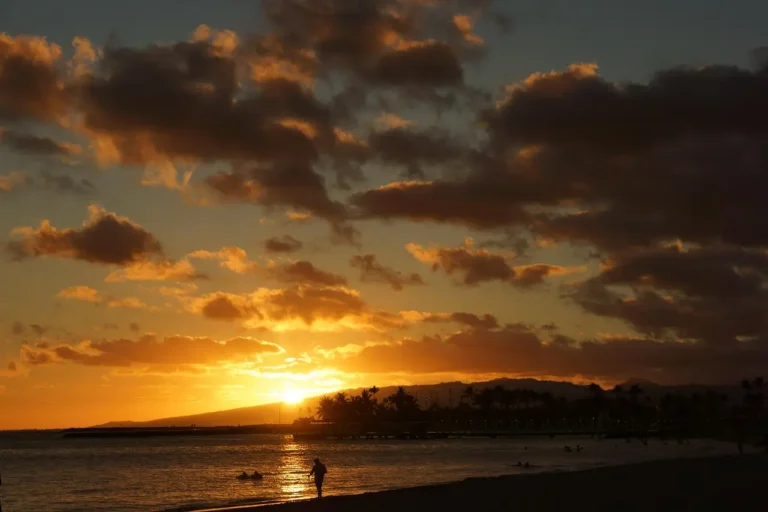
If surfing has a spiritual home in America, it’s here. The North Shore hosts legendary breaks including Pipeline, Waimea Bay, and Sunset Beach, and during winter, waves can reach up to 50 feet. This stretch of coastline also hosts major competitions, including the Vans Triple Crown of Surfing.
Summer flips the script completely. The same waters that terrify pros in December become friendly and swimmable for beginners by June. Peak season for the big winter swells generally runs from November to February.
Malibu, California
Surfrider Beach in Malibu is where longboard culture lives. The point break produces long, smooth, right-hand waves that are ideal for classic style surfing rather than aggressive short-board maneuvers. Yes, it gets crowded. Yes, people go anyway, because when the swell is right, it’s one of the most enjoyable rides in California.
Summer brings steady south swells, which makes it a solid warm-weather pick for intermediate surfers looking to build confidence.
Santa Cruz, California
Santa Cruz has a legitimate claim to being the birthplace of mainland surf culture. According to local history documented at the Santa Cruz Surfing Museum, three Hawaiian princes introduced surfing to the continental United States here back in 1885.
Steamer Lane remains the town’s signature break, a reliable, cold-water right-hand point break that draws surfers of real skill. Beginners often start at nearby Cowell Beach, which offers gentler conditions just south of the more demanding sections.
Trestles, San Clemente, California
Trestles is a collection of high-performance reef breaks along the Pacific coast, known for consistent, hollow waves that break both left and right. Reaching it takes a bit of a walk, since there’s no direct beachfront parking, but that small barrier to entry is exactly why the lineup stays a notch more serious than nearby beaches.
Best swells generally run from May through September, with wave heights ranging from about 3 to 10 feet.
Outer Banks, North Carolina
The East Coast’s surf capital sits on a string of barrier islands shaped by shifting sandbars, which produce powerful and genuinely unpredictable waves. The Outer Banks benefits from Atlantic hurricane swells, making late summer and early fall the most exciting window for experienced surfers chasing bigger energy.
It’s proof that you don’t need the Pacific to find serious East Coast surf.
Cocoa Beach, Florida
Florida’s Space Coast is the busiest surf zone in the Southeast, and Cocoa Beach anchors that scene. Waves here tend to be smaller and friendlier than West Coast breaks, which makes it a genuinely good starting point for beginners who want warm water and forgiving conditions.
Winter tends to bring stronger, more consistent swell here than summer does.
Where Hiking and Surfing Meet
Some regions let you do both in the same trip without a long drive in between.
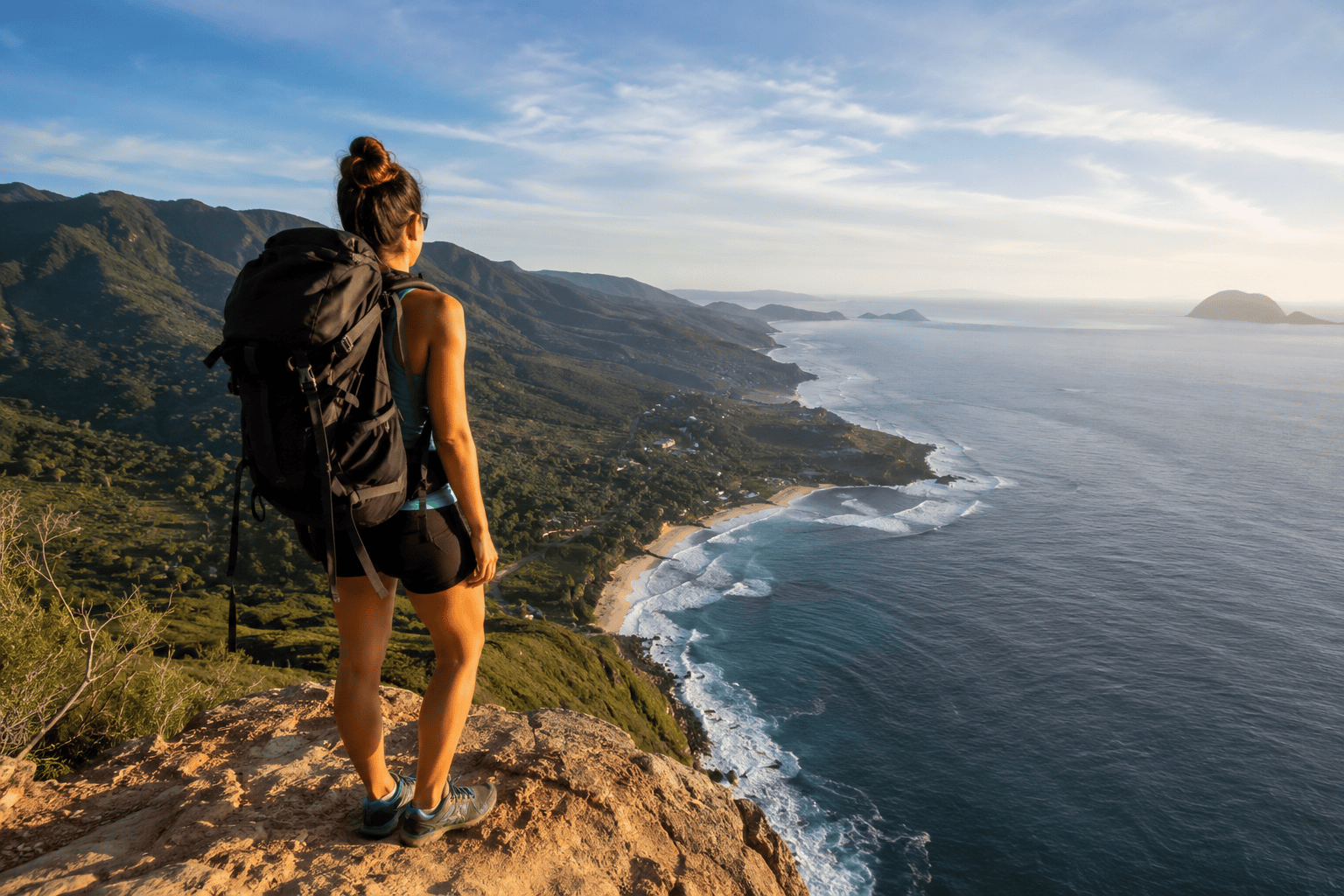
California’s coastline is the obvious standout. Redwood forests, coastal bluffs, and world-class surf breaks sit along the same highway. A morning hike through Fern Canyon and an afternoon surf session near Santa Cruz is a genuinely realistic single-day plan if you’re based in the right part of the state.
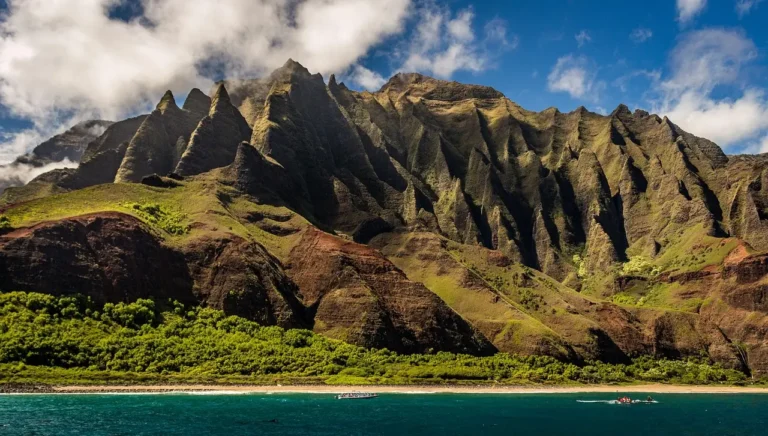
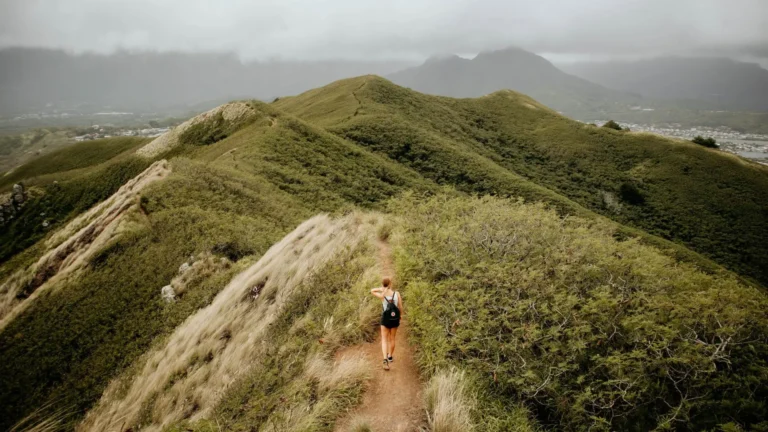
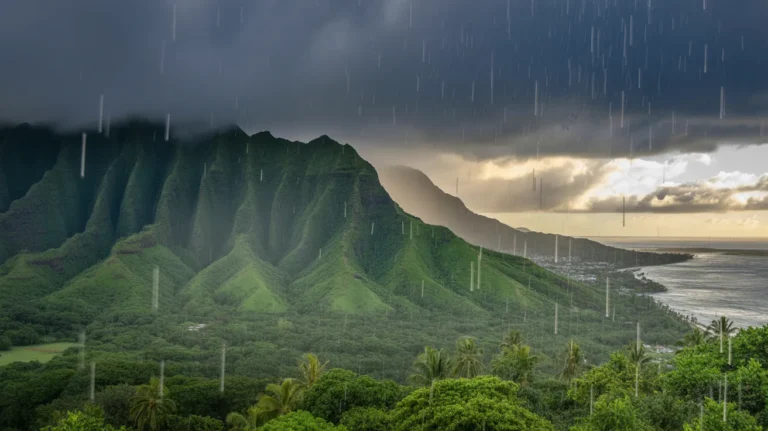
Hawaii offers a similar combo on a smaller scale. Oahu alone has volcanic hiking trails like Diamond Head crater right next to the surf towns of Waikiki and the North Shore.
The Pacific Northwest rounds things out with a wilder, less crowded version of the same idea, pairing rugged coastal hikes in Washington and Oregon with cold-water surf breaks that reward people who don’t mind a thicker wetsuit.
Best Time to Visit
Timing matters almost as much as the destination itself.
- Hawaii’s North Shore: November through February for the biggest winter surf; summer for calmer, beginner-friendly water.
- California: September through April tends to bring the best surf swells, while hiking trails are generally most accessible from late spring through early fall, once mountain snow clears.
- Pacific Northwest surf: October through March for the strongest swells.
- East Coast surf (Outer Banks, Florida): September through November for hurricane-driven swells, with steadier winter conditions from December through March.
- Mountain hiking (Rockies, Tetons, Glacier): July through September, once high-elevation snow has melted and trails fully open.
Safety and Preparation Tips
Adventure travel is more fun when nothing goes wrong, so a little preparation goes a long way.
- Check trail and park alerts before you go. Wildfire damage, seasonal closures, and permit requirements change year to year, and some routes (like Angels Landing) require reservations in advance.
- Respect surf skill levels honestly. Breaks like Pipeline and Mavericks are not the place to “figure it out as you go.”
- Carry more water than you think you need on desert and canyon hikes.
- Watch elevation gain on mountain trails. Altitude sickness can hit even on short, easy-looking routes.
- Check tide charts and local surf reports before paddling out anywhere new.
- Always tell someone your hiking route and expected return time, especially on longer backcountry trails.
Frequently Asked Questions
What is the best combination trip for hiking and surfing in the USA? California’s central and southern coast is the easiest combination trip, letting you hike redwood forests or coastal trails in the morning and surf breaks like Malibu or Santa Cruz in the same day.
Do beginners need surf lessons before trying famous breaks? Yes, for spots like Pipeline, Mavericks, or Trestles. Beginners are better off starting at forgiving beaches like Waikiki, Cocoa Beach, or Cowell Beach, where local surf schools operate.
Which national park is best for a first-time serious hiker? Zion and Yosemite are strong starting points because they combine dramatic scenery with a range of trail difficulties, from easy shuttle-accessible viewpoints to full-day technical hikes.
Is Hawaii better for surfing than California? Both offer world-class breaks. Hawaii’s North Shore is more extreme and seasonal, with massive winter swells, while California offers more year-round variety and easier beginner access.
Final Thoughts
The best adventure travel spots for hiking and surfing in the USA aren’t hidden. They’re some of the most well-documented, well-maintained outdoor destinations in the world, from Zion’s chain-assisted ridgelines to Oahu’s legendary winter swells.
What matters most is matching the destination to your skill level and the season. Show up prepared, respect the terrain and the water, and the trip basically plans itself from there.