Oahu Whale Watching Season 2026: Best Time, Tours & Viewing Spots

Most guides tell you that Oahu’s whale season runs from December to March, but that only gives you half the picture. During my recent winter trip exploring the scenic coastline and beaches on Oahu, I realized that timing your visit down to the exact month and time of day determines whether you spot a distant spout or witness a 40-ton humpback breaching right in front of you.
The official Oahu Whale Watching Season (2026) spans from November through May, with peak activity hitting its absolute high between January and March. Whether you plan to watch for free from sandy lookouts, scan the water from coastal trails, or join a certified ocean tour, this guide breaks down everything you need to maximize your sighting chances.
What Is the Oahu Whale Watching Season?
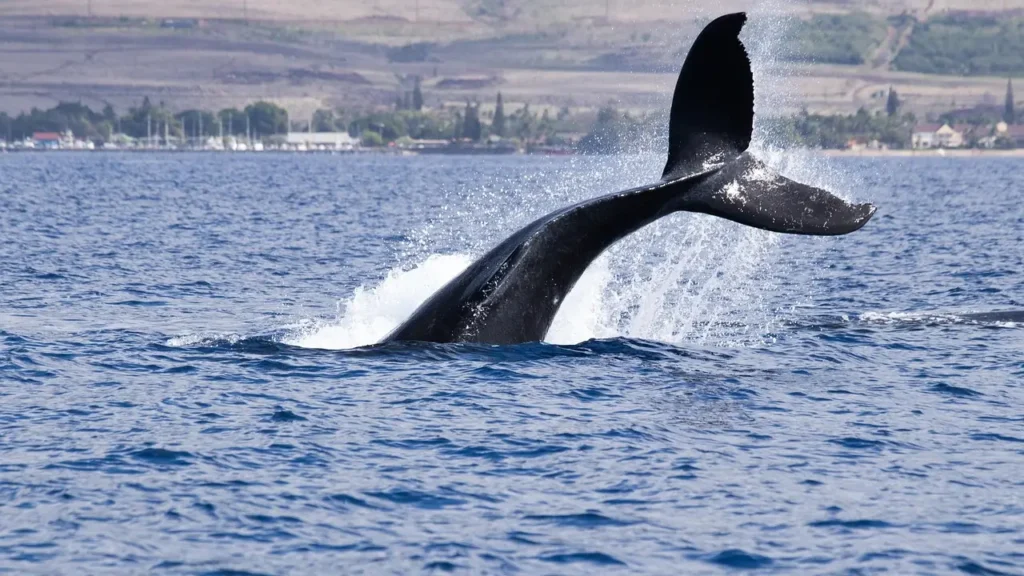
The Oahu Whale Watching Season takes place when humpback whales migrate from their cold Alaskan feeding grounds to warm Hawaiian waters. This humpback whale migration happens for mating, calving, and nursing newborn whale calves in Hawaii’s protected marine environment.
On Oahu, the whale watching season typically runs from December through April, with thousands of whales gathering just offshore.
- Season Start: December
- Peak Whale Watching Months: January to March
- Season End: Early April
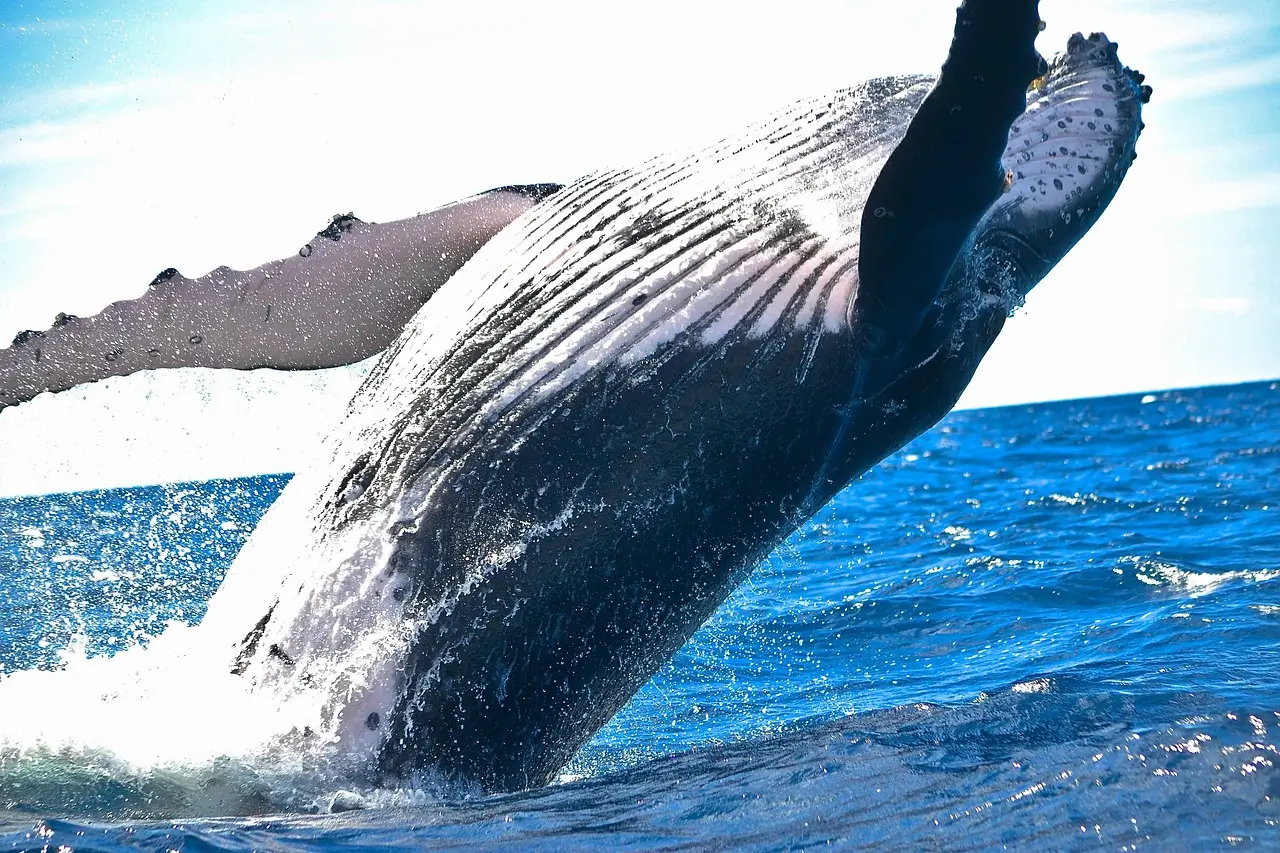
During this time, visitors often witness whale breaching behavior, tail slapping, fin waving and whale spouting close to the shore.
When is whale season in Hawaii?
Whale season in Hawaii runs from November to May, with the peak time being January to March. During these months, humpback whales migrate from Alaska to Hawaii to breed and give birth in the warm ocean waters.
This is the best time for whale watching tours, especially around islands like Oahu, Maui, and the Big Island, where sightings are most common.
Whale Watching Success Rate (What Are Your Chances?)
In peak months, your chances of seeing whales in Oahu are very high — around 80% to 95%, especially during January and February. Tour operators often report sightings on most trips during this period.
However, whale sightings are never 100% guaranteed because these are wild animals. Shore viewing has lower success compared to boat tours, but on clear days, many travelers still spot whales from land.
Best Time for Oahu Whale Watching season
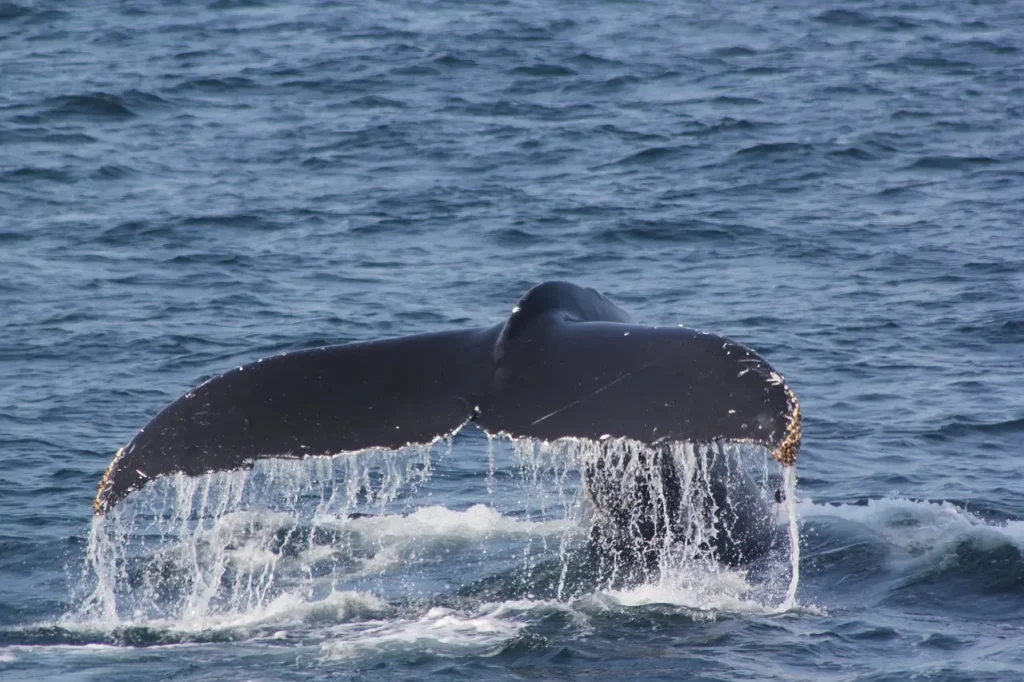
While whales are present throughout the season, timing matters if you want the most memorable experience.
Best Month for Whale Watching in Oahu (Month-by-Month Breakdown)
The whale watching season in Oahu runs from December to March, but not every month offers the same experience. Humpback whales migrate from Alaska to Hawaii, and their activity changes throughout the season.
| Month | Whale Activity | What to Expect |
| December | Low | First whales arrive; sightings possible but not guaranteed. |
| January | High | Frequent sightings and active movement near the shore. |
| February | Peak | Best month! Highest whale numbers and baby calves. |
| March | Medium | Good sightings, but whales begin migrating back north. |
If you want the highest chance of seeing whales, February is the best time. January is also excellent, while December is more unpredictable.
What is the best month to see whales in Oahu?
February is the best month to see whales in Oahu. During my winter trip, February brought the most sightings by far, with mother whales swimming close to shore alongside their newborn calves. January comes in a close second, with whales already active after their long swim from Alaska. March is still a strong month, though some whales start heading back north by then. December is the most unpredictable month, since it marks the very start of the season.
How Many Whales Are in Oahu Waters? (2026 NOAA Count Data)
Every year, NOAA runs a citizen-science project called the Sanctuary Ocean Count, where volunteers count whales from the shore. On February 28, 2026, 487 volunteers gathered data at 46 sites across the main Hawaiian Islands, and across all islands they counted 1,935 whales that day. Of that total, 288 whales were counted off Oahu alone. This year marks the 30th anniversary of the Sanctuary Ocean Count. NOAA National Ocean Service
These numbers matter because they come straight from real people watching the water on the same day, not estimates. If you want to see the count for yourself, you can even join as a volunteer on one of the official count days.
Best Places to See Whales in Oahu (Free + Paid)
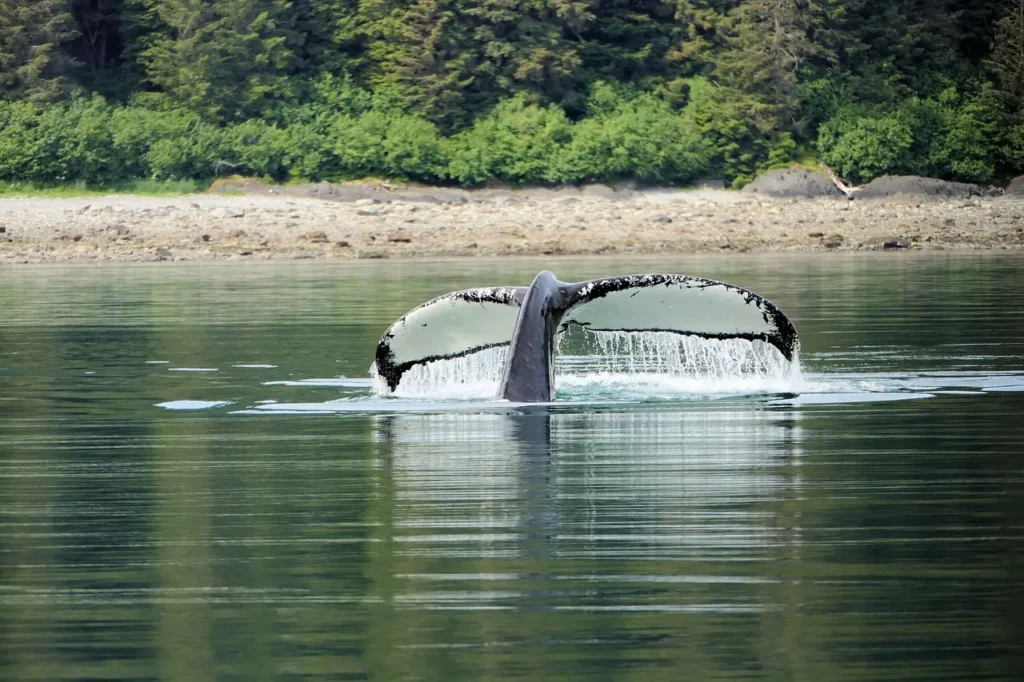
You can watch whales in Oahu both from shore and on guided tours. Each option offers a different experience depending on your budget and expectations.
Best shore spots (free):
- Makapuʻu Point – one of the best viewpoints for spotting whales
- Diamond Head – great elevated views
- Hanauma Bay – occasional sightings near the coast
Best boat tours (paid):
Boat tours take you closer to whales and increase your chances of seeing tail slaps, breaches, and group activity. Many tours also include guides who explain whale behavior.
Where is the best whale watching in Oahu?
Stand on the windy cliffs at Makapuʻu Point Lighthouse Trail early in the morning for the absolute best shore-based views. I personally recommend bringing wide-view binoculars to spot distant ocean spouts and tail slaps easily from the lookout.
For boat viewing, catamarans departing from Waianae Harbor and Kewalo Basin in Waikiki offer unforgettable up-close encounters. Both West Oahu and South Shore ocean routes provide quick access to deep whale migration channels.
Do You Need a Whale Watching Tour?
You do NOT need a tour to see whales in Oahu, but it depends on the experience you want. From shore, you can often spot whales in peak season, especially from high viewpoints.
However, a boat tour gives you a much closer and more memorable experience. If this is your first time or a special trip, a tour is usually worth it because you’ll see whales up close and learn more from guides.
How Much Does Whale Watching Cost in Oahu?
Prices vary a lot depending on the type of tour. Budget boat tours from Waikiki start around $50 to $60 per person for a short 1.5 to 2-hour trip. Mid-range tours with snorkeling or a meal included usually run $130 to $200 per person. Private or small-group charters can go well above $400 for the whole group.
Shore-based whale watching, on the other hand, is completely free — spots like Makapuʻu Point cost nothing beyond parking.
If you’re on a budget, a shore lookout in peak season can be just as memorable as a boat tour, especially early in the morning when the water is calm and clear.
Whale Watching Tours & Cruises
Boat-based experiences offer the closest views while following NOAA whale watching guidelines.
Popular departure points include:
- Waikiki
- Honolulu Harbor
- Waianae Harbor (West Oahu whale tours)
- Haleiwa (North Shore)
Licensed operators conduct eco-friendly whale tours, maintaining safe distances to protect Hawaii’s marine wildlife.
What is the Best Whale Watching Tour in Oahu?
There is no single “best” tour — it depends on where you are staying and what kind of trip you want.
If you are staying in Waikiki, the easiest option is a boat leaving from Kewalo Basin or Ala Wai Harbor, just minutes from your hotel. These trips work well for families and first-timers who don’t want to spend half the day driving.
If you want fewer crowds, look at boats leaving from Waianae Harbor on the West Side. The drive is longer, but the water there sees less boat traffic.
For comfort, larger double-decker boats with shaded seating and restrooms are a safer bet if you or someone in your group gets seasick easily. Smaller boats feel more personal and often come with a guide who spends more time explaining whale behavior instead of just driving around.
Whatever you pick, make sure the operator is licensed and follows NOAA’s 100-yard distance rule. A responsible crew will never chase a whale for a better photo.
Which Whales Can You See During Oahu Whale Watching Season?
The stars of the season are Hawaiian humpback whales, one of the most recognizable whale species in the world.
These whales can grow up to 60 feet long and weigh nearly 40 tons. Despite their size, they are surprisingly acrobatic, often displaying:
- Full-body breaches
- Whale tail slapping
- Pectoral fin waving
- Mother-and-calf interactions
Occasionally, visitors may also see pilot whales, spinner dolphins, or Hawaiian monk seals, adding to Oahu’s diverse marine life.
Why Whales Choose Hawaiian Waters
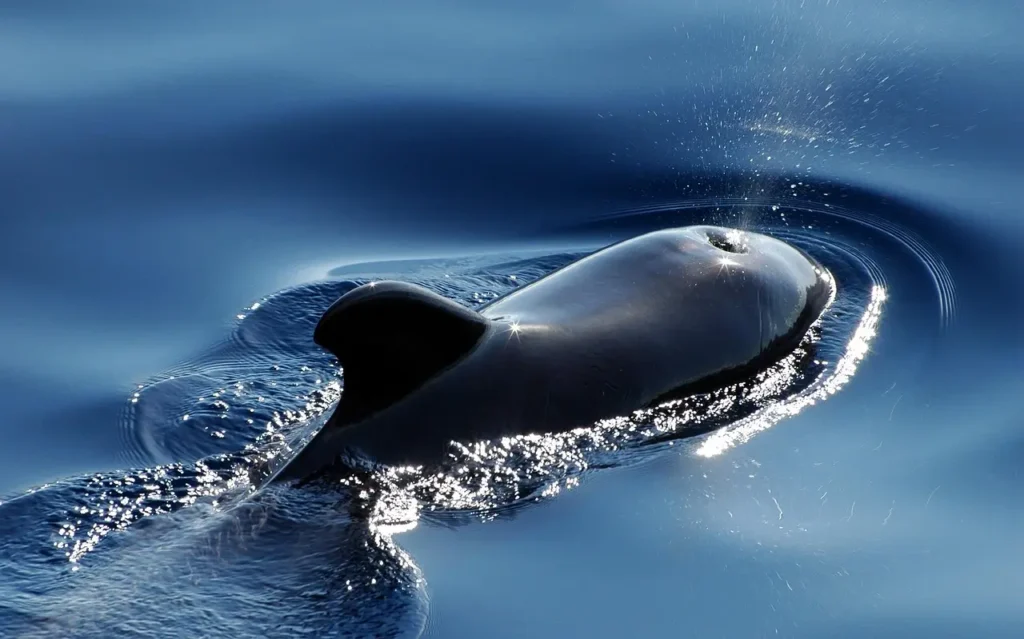
Hawaiian waters offer calm seas, warm temperatures and shallow channels perfect conditions for newborn whale calves. Unlike Alaska, whales do not feed here; instead, they rely on stored energy while focusing on reproduction and survival.
This natural behavior makes responsible whale watching in Hawaii both possible and important.
Federal Marine Laws & NOAA Rules for 2026
On my last catamaran tour, our captain immediately put the boat engines into neutral when a curious whale approached us. Federal law strictly forbids any vessel from getting closer than 100 yards to protect humpback whales.
Eco-friendly boat operators strictly follow these NOAA viewing guidelines to avoid disturbing mother and calf pairs. Always choose certified local ocean guides who prioritize marine wildlife conservation during your excursion.
Is Morning or Afternoon Better for Whale Watching in Hawaii?
Morning is generally the better choice. Early in the day, the ocean is calmer because Hawaii’s trade winds haven’t picked up yet. The sun also sits lower in the sky, which cuts down glare on the water and makes it easier to spot a whale’s spout.
Afternoon trips aren’t a bad choice either. The light is warmer for photos, and it gives you a relaxed morning at the beach before heading out. Just expect choppier water and a slightly rougher ride as the winds build up.
Either way, whales don’t follow a clock. No captain can promise a breach on demand — but a morning trip usually gives you calmer seas and a more comfortable few hours on the water.
Tips to Maximize Your Whale Watching Experience
- Book early: Peak whale season tours sell out quickly.
- Choose certified operators: Follow marine conservation standards.
- Bring binoculars: Essential for land-based whale sightings.
- Dress smart: Wind and sea spray are common on whale cruises.
- Respect wildlife: Keep distance and follow federal whale protection laws.
These practices support whale conservation in Hawaii and help preserve the experience for future visitors.
Is Oahu Good for Whale Watching Compared to Other Islands?
Maui is known for high whale density, but Oahu whale watching offers a unique advantage: accessibility. Visitors can combine whale watching with beaches, hikes, dining and cultural attractions all in one trip.
Oahu also provides excellent opportunities for both boat whale watching and shore-based whale sightings, making it ideal for first-time visitors.
Is whale watching worth it in Hawaii?
Seeing a 40-ton humpback whale breach completely out of the ocean water is a unforgettable life experience. Hearing their deep underwater songs through a boat hydrophone makes every spent penny completely worth it.
Hawaii provides one of the few places on Earth with protected, warm, shallow ocean waters for migrating humpbacks. Whether you watch for free from coastal trails or book an eco-friendly cruise, it remains a top-rated Hawaii activity.
Final Thoughts on Oahu Whale Watching Season
The Oahu Whale Watching Season is more than a tourist activity it’s a rare chance to witness one of nature’s greatest migrations. Watching humpback whales breach against the backdrop of Oahu’s scenic coastline creates memories that last a lifetime.
Whether you join a guided whale watching cruise or scan the horizon from a coastal trail, Oahu offers an authentic and responsible way to experience these magnificent marine giants.
Plan your visit wisely, respect the ocean and enjoy one of Hawaii’s most extraordinary natural events.