Halona Blowhole Oahu Guide: Parking, Safety & Best Time

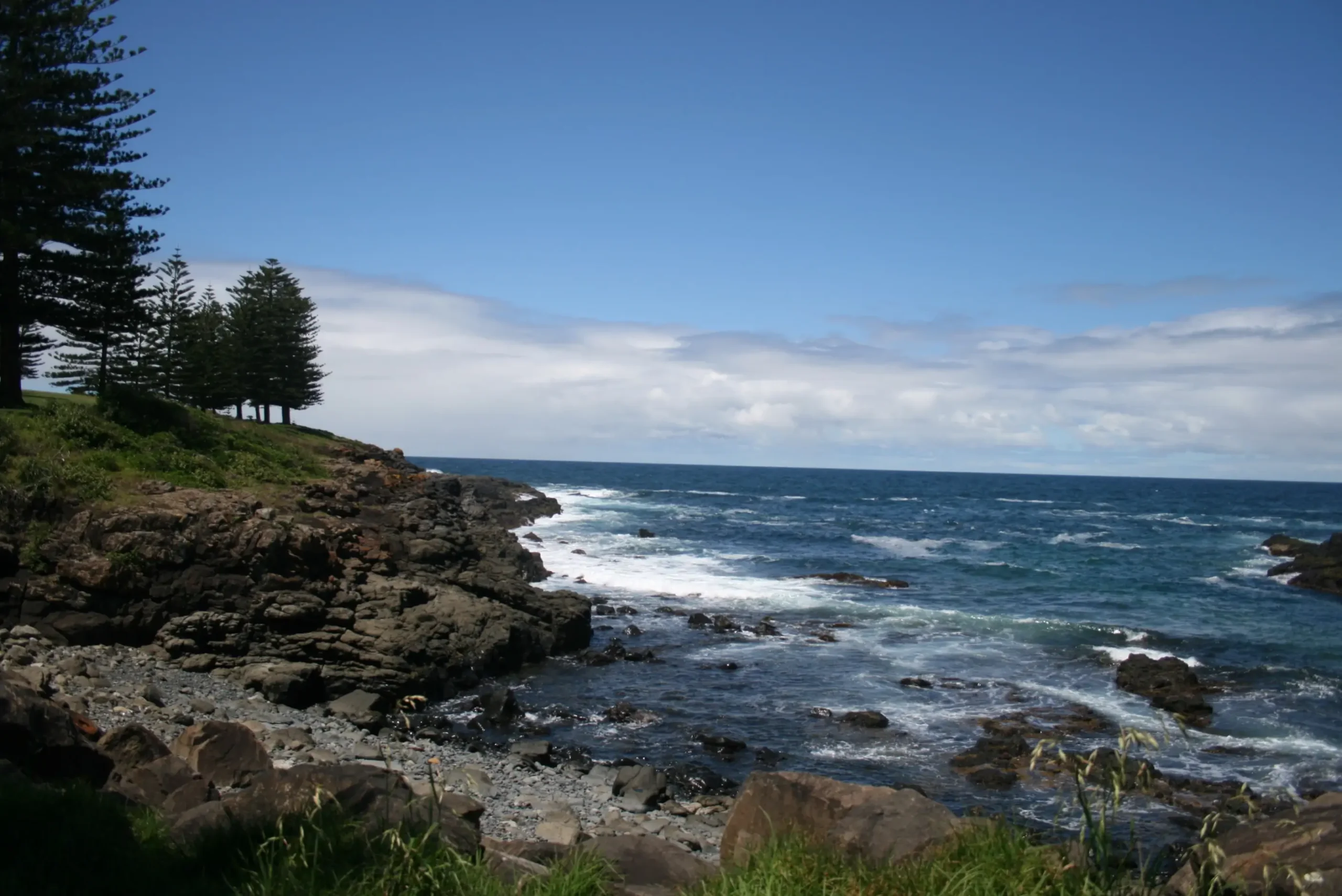
If you visit coastal areas with rocky shores, you might hear people talk about a blow hole creeck nearby. At first, these names sound simple. But once you see them in real life, they feel much more exciting.
A blowhole shoots water high into the air. A blowhole Maui creek flows quietly through land and often meets the ocean. Together, they create a mix of power and calm. One is loud and dramatic. The other feels slow and peaceful.
This guide explains everything in a clear way. You will learn what a blowhole is, how a creek forms, what makes them special, and what you should expect when you visit.
What Is Halona Blowhole in Oahu?
Halona Blowhole is a famous natural attraction on Oahu’s southeastern coastline where ocean waves shoot through a volcanic lava tube. The powerful water spray can rise high into the air during strong surf conditions, especially in winter.
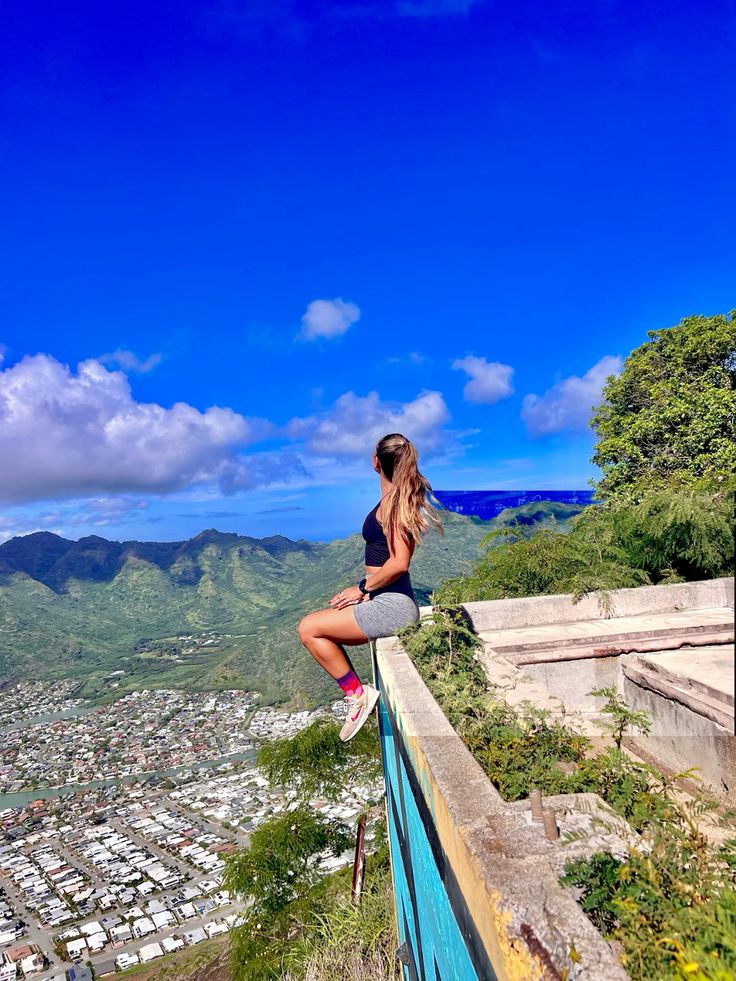
Many travelers stop here during an Oahu road trip because the viewpoint offers dramatic ocean scenery, volcanic cliffs, and beautiful coastal views. The area also became famous after appearing in the movie From Here to Eternity
Where Is Halona Blowhole Located?
Halona Blowhole is located along Kalanianaʻole Highway on Oahu’s southeast coast between Hanauma Bay and Sandy Beach. The drive from Waikiki usually takes around 25 to 30 minutes depending on traffic.
The location is easy to visit during a scenic coastal drive because several popular attractions are nearby. Many visitors combine the stop with Makapuʻu Lookout, Hanauma Bay, and Sandy Beach in the same trip.
Driving From Waikiki to Halona Blowhole
Driving from Waikiki to Halona Blowhole usually takes around 25 to 30 minutes without heavy traffic. The coastal route passes several scenic ocean viewpoints along Oahu’s southeastern shoreline.
Most travelers stop at Hanauma Bay, Sandy Beach, or Makapuʻu Lookout during the drive. Morning hours usually provide lighter traffic and easier parking near the lookout area.
Is Halona Blowhole Worth Visiting?
Yes, Halona Blowhole is worth visiting for travelers who enjoy scenic ocean views, photography, and natural Hawaiian landscapes. The dramatic waves and volcanic coastline create one of the most beautiful viewpoints on Oahu.
First-time visitors are often surprised by how powerful the waves feel in person. During winter, stronger surf creates larger water sprays and more dramatic coastal scenery.
How Long Should You Spend at Halona Blowhole?
Most visitors spend around 20 to 40 minutes at Halona Blowhole depending on crowd levels and ocean activity. Travelers who enjoy photography or scenic coastal drives usually stay longer.
The stop itself is short, but nearby places like Sandy Beach and Hanauma Bay make it easy to turn the area into a half-day trip. Sunset visitors also tend to stay longer because the coastline looks more dramatic during golden hour.
Best Time to Visit Halona Blowhole
The best time to visit Halona Blowhole is early morning or late afternoon when temperatures feel cooler and crowds are smaller. Morning lighting also helps create clearer ocean photos.
Winter months from November through March usually produce stronger wave activity and larger water sprays. Sunset hours feel especially beautiful because golden light reflects across the rocky coastline.
Early Morning vs Sunset at Halona Blowhole
Early mornings at Halona Blowhole usually feel quieter with cooler temperatures and fewer tourists. Morning lighting also creates clearer ocean views for photography.
Sunset hours look more colorful and dramatic because golden light reflects across the cliffs and ocean water. However, parking becomes harder during busy evening hours.
Parking at Halona Blowhole Lookout
Parking at Halona Blowhole is free, but spaces can fill quickly during busy hours and weekends. Arriving earlier in the day usually makes parking easier.
The lookout sits directly beside the highway, so visitors should drive carefully when entering or leaving the parking area. Most travelers spend around 20 to 40 minutes exploring the viewpoint.
What to Bring When Visiting Halona Blowhole
Comfortable shoes, water, sunscreen, and sunglasses help make the visit more comfortable because the lookout area can feel hot and windy during midday hours. A phone or camera is also useful for coastal photography.
Visitors planning to explore nearby beaches often bring swimsuits and towels as well. Wind conditions near the cliffs can become strong, especially during winter surf season.
Is Halona Blowhole Free to Visit?
Yes, Halona Blowhole is completely free to visit and does not require tickets or reservations. Visitors can stop at the lookout anytime while driving along Oahu’s scenic southeastern coastline.
Free parking also makes the attraction popular among budget travelers exploring Hawaii without spending too much money. Many tourists combine the stop with nearby beaches and viewpoints during the same drive.
Safety Tips Before You Visit
Visitors should avoid standing too close to the rocky shoreline because unexpected waves can become dangerous very quickly. Slippery rocks and strong ocean conditions create serious risks during high surf.
Many tourists underestimate Hawaii’s powerful waves, especially during winter. Staying behind safe viewing areas gives the best experience without unnecessary danger.
Is Halona Blowhole Safe for Families?
Yes, Halona Blowhole is generally safe for families when visitors stay inside designated viewing areas. The lookout platform provides good ocean views without needing difficult hiking or long walking distances.
Parents should still watch children carefully near the rocky edges because waves and slippery surfaces can become dangerous. Busy weekends also create heavier traffic around the parking area.
Can You Swim Near Halona Blowhole?
Swimming directly near Halona Blowhole is not recommended because waves and ocean currents can become dangerous very quickly. Strong surf conditions around the rocky coastline create serious safety risks.
Some visitors walk down to nearby Halona Beach Cove when ocean conditions look calm. However, waves can change suddenly, especially during winter months on Oahu’s southeastern coast.
Halona Beach Cove Near the Blowhole
Near the lookout, visitors can also see Halona Beach Cove, a small hidden beach surrounded by volcanic cliffs. The beach became famous after appearing in several Hollywood movies.
The cove looks especially beautiful during sunny weather when the water turns bright turquoise. Some visitors hike down to the beach, but the path feels steep in certain areas.
Best Photo Spots at Halona Blowhole
The main lookout platform offers the best wide-angle photos of the ocean, cliffs, and water spray. Early morning lighting usually creates the clearest photography conditions.
During winter, crashing waves create dramatic coastal shots that look even more impressive in person. Whale sightings are also sometimes possible offshore between December and March.
Best Sunset Views Near Halona Blowhole
Sunset near Halona Blowhole creates beautiful golden lighting across the volcanic cliffs and ocean waves. Many photographers visit during late afternoon because the coastline looks more colorful and dramatic before sunset.
Nearby lookouts along the southeastern coast also offer impressive evening scenery. On clear days, the ocean reflects orange and pink colors across the rocky shoreline.
Things to Do Nearby
Several popular Oahu attractions are located close to Halona Blowhole, making it easy to combine multiple stops during the same drive. Nearby places include Hanauma Bay, Sandy Beach, and Makapuʻu Point.
Many travelers continue toward Waikiki or the North Shore after exploring Oahu’s southeastern coastline. The entire drive offers some of the island’s best ocean scenery.
Halona Blowhole vs Hanauma Bay
Halona Blowhole and Hanauma Bay offer completely different experiences even though they sit close to each other on Oahu’s southeastern coast. Halona Blowhole focuses more on dramatic coastal scenery and ocean waves.
Hanauma Bay is better for snorkeling, marine life, and calm water activities. Many travelers visit both locations during the same day because the drive between them feels short and scenic.
Best Nearby Beaches Around Halona Blowhole
Several beautiful beaches are located close to Halona Blowhole, making the area perfect for a scenic coastal drive. Sandy Beach and Hanauma Bay are two of the most popular nearby stops.
Halona Beach Cove also attracts visitors because of its hidden beach setting and turquoise water views. Many travelers continue toward Makapuʻu Beach after exploring the lookout.
Final Verdict
Halona Blowhole remains one of the most scenic and easiest coastal stops on Oahu. The combination of volcanic cliffs, ocean waves, and dramatic viewpoints makes it worth visiting during any Hawaii trip.
Although the stop itself is short, the surrounding scenery feels unforgettable, especially during winter surf season. For first-time visitors, it offers one of the best coastal views on the island.
Top FAQs About blow hole cheek
What is a blowhole in simple words?
A blowhole is a hole in coastal rocks where ocean water shoots up into the air. Waves push water through underground tunnels, which creates the spray you see.
How does a blowhole work?
A blowhole works when waves enter a narrow tunnel in the rock. The water and air get compressed and forced upward. This pressure pushes water out of the hole like a natural fountain.
Is it safe to stand near a blowhole?
It can be risky if you stand too close. Strong waves can create powerful bursts. Always keep a safe distance and watch the ocean before moving closer.
What is a creek?
A creek is a small stream of water that flows through land. It usually connects to a river, lake, or ocean and supports plants and animals.
Can a creek dry up?
Yes, some creeks dry up during hot or dry seasons. Others keep flowing all year, depending on rainfall and the water source.
What is the main difference between a blowhole and a creek?
A blowhole is caused by ocean waves and creates sudden water bursts. A creek flows slowly and steadily across land. One is powerful and short, the other is calm and continuous.
When is the best time to see a blowhole?
The best time is when the sea is rough and waves are strong. High tide and windy days usually create bigger water sprays.
When is the best time to visit a creek?
After rainfall is the best time. The water flow increases, and the creek looks more active and fresh.
Do blowholes always spray water?
No, they do not. If the ocean is calm, you may not see any spray. Blowholes depend on wave strength.
Why are blowholes popular with tourists?
People enjoy the excitement and natural power of water shooting into the air. It also creates great photo moments, which makes it a popular attraction.