Hawaii Travel Guide 2026: What Has Changed (And What to Know Before You Go)

Hawaii is not the same trip it was even two years ago. New fees, new rental rules, and new reservation systems for Maui have changed how you should plan. This hawaii travel guide breaks down exactly what changed, what stayed the same, and what to do about it before you book.
Hawaii now charges a new Green Fee on top of higher hotel taxes. Maui has started phasing out thousands of vacation rentals. More attractions require reservations than ever before.
Most tourists today are repeat visitors from California, not first timers from Japan. Below, you will find every update explained in plain language, plus a full Hawaii Big island itinerary and planning guide.
What Has Changed in Hawaii Travel for 2026
Hawaii tourism has shifted more in the last three years than in the previous decade. The islands are recovering from the 2023 Maui wildfires, adjusting to a new type of visitor, and rolling out policies aimed at protecting land and housing. If you last visited before 2023, treat this trip like a first visit. The rules are different now.
The New Green Fee and Higher Hotel Taxes
On January 1, 2026, Hawaii introduced the nation’s first climate impact fee, known as the Green Fee. It raised the state Transient Accommodations Tax from 10.25% to 11%. On a $400 hotel room, that adds about $3 a night.
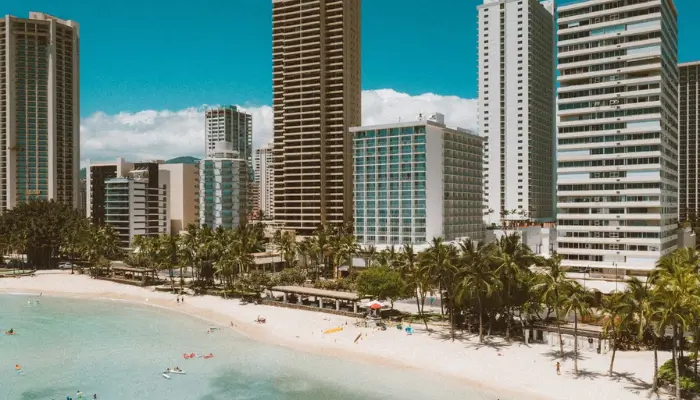
The Green Fee sounds small on its own. The real story is the total tax stack. Once you add the state tax, county surcharges up to 3%, and the general excise tax, your combined lodging tax lands close to 19%. On a week long stay at $400 a night, that is roughly $500 in taxes alone.
The money is meant to fund beach restoration, wildfire resilience, and coastal protection. This fee came directly out of the Maui wildfires and the push to build a dedicated disaster fund. Cruise ship passengers were supposed to pay it too, but a court paused that part while the cruise industry appeals.
Vacation Rental Bans on Maui and New Registration Rules
This is the single biggest change for anyone doing hawaii trip planning right now. Maui signed Bill 9 into law in late 2025. It phases out roughly 7,000 apartment zoned vacation rentals, called Minatoya List properties. West Maui units must stop operating by January 1, 2029. The rest of Maui County follows by 2031.
Nothing disappears overnight in 2026 or 2027, but owners are already pulling listings. If you are booking a Maui vacation rental for later this year, confirm it is legally zoned before you pay a deposit. Resort zoned condos, timeshares, hotels, and licensed rentals in single family zones are not affected.
The Big Island introduced its own registration law, Bill 47, which took effect in July 2026. Oahu continues to restrict whole home rentals to resort zoned areas only, with fines up to $10,000 a day for illegal listings. This is a real content gap most articles skip entirely, and it is one of the most searched Hawaii questions of the year.
Where Tourists Come From Has Shifted
The typical Hawaii visitor looks different than it did before the pandemic. According to Hawaii’s own tourism data, Japanese visitor numbers dropped by roughly half over the last six years. In 2019, about 1 in 4 Oahu visitors came from Japan. Today it is closer to 1 in 8.
Meanwhile, domestic travel from the U.S. mainland grew about 40% over the past decade. California alone now sends more visitors to Hawaii than any other state, more than two thirds of all mainland arrivals.
This shift matters because it changes crowd patterns, flight prices, and which islands feel busiest. Oahu still draws the most international travelers, while Kauai, Maui, and the Big Island lean heavily domestic.
More Places Now Require Reservations
Reservation systems have expanded across every island. As of 2026, you need to book ahead for:
- Hanauma Bay Nature Preserve on Oahu
- Diamond Head State Monument timed entry
- Haena State Park and Kee Beach on Kauai
- Haleakala National Park sunrise viewing on Maui
Slots fill up fast, especially in summer. Book these the moment your flights are confirmed, not the week before your trip.
Is Now a Good Time to Visit Hawaii
There is no truly bad month in Hawaii, but some months are clearly better depending on your budget and tolerance for crowds. Understanding hawaii good time to visit patterns will shape your entire trip.
Best Months for Weather and Fewer Crowds
April, May, September, and early October are the sweet spot. The weather is warm and dry, hotel rates dip, and the summer rush has not started or already ended. Whale season runs December through May, peaking January through March, which is a strong reason to visit in winter despite slightly wetter weather.
Hawaii in July: What to Expect
July is peak summer travel. Families dominate the islands because school is out, and popular beaches like Waikiki get crowded fast. Book flights, rental cars, and any reserved attractions well in advance if you are set on hawaii in july. The upside is long daylight hours and reliably dry weather on most islands.
Worst Time to Visit Hawaii
If you dislike rain, avoid November and March, which share the title of wettest months. Hurricane season officially runs June through November, with the highest activity in August and September. This does not mean you should avoid these months entirely. It means you should watch weather alerts and build flexibility into your plans, especially for outdoor activities.
Which Hawaiian Island Should You Visit
This is one of the most searched planning questions, and the honest answer depends on your travel style, not a single best island.
Oahu, the Main Island for First Timers
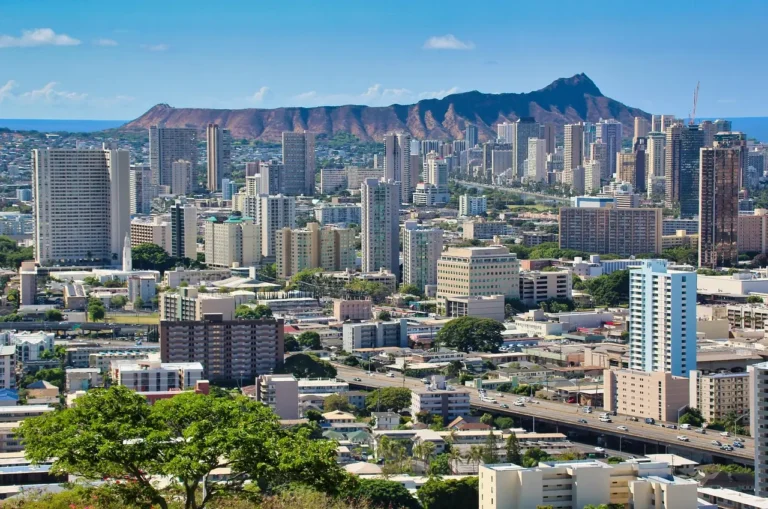
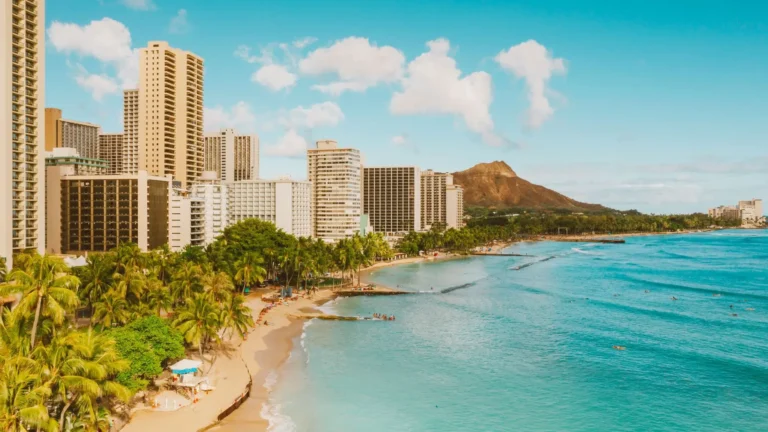
Oahu is often called the main island in Hawaii because it is home to Honolulu, Waikiki, and Pearl Harbor. It has the most direct flights, the widest hotel selection, and the easiest logistics for first time visitors. If you want a mix of city life, beaches, and history without a rental car, Oahu wins.
Maui vs Kauai vs the Big Island
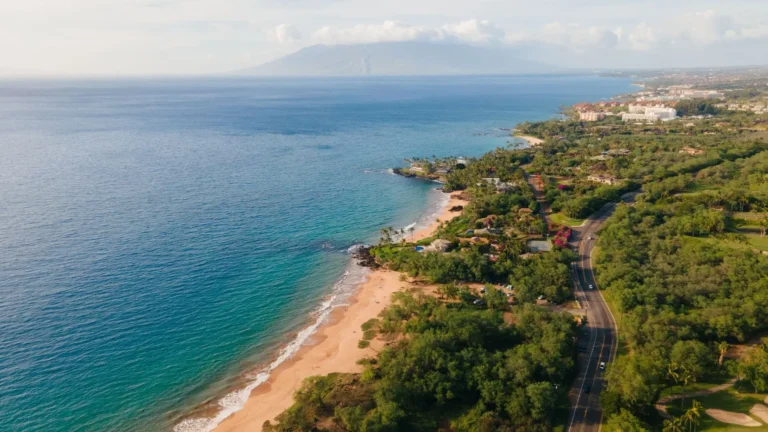
Most of the people are compare Maui vs Kauai Hawaiian Islands. Maui suits travelers who want upscale resorts, the Road to Hana, and a balance of beach and adventure. Kauai is the quiet, green choice, better for hikers and couples who want fewer crowds and dramatic cliffs like the Na Pali Coast.
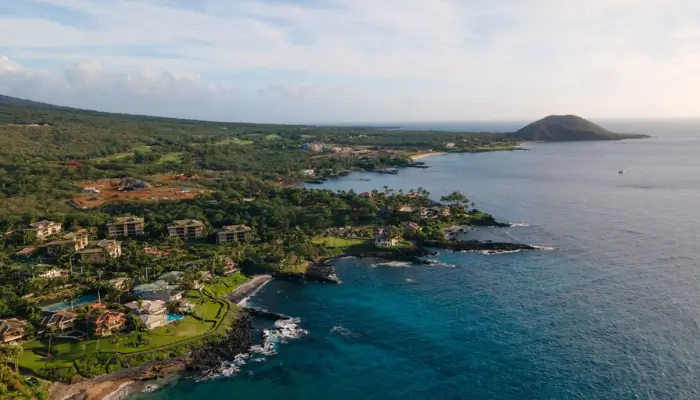
The Big Island is technically the largest landmass in the state, which is why so many people search is the Big Island Hawaii to confirm it is part of the same island chain. It offers volcanoes, black sand beaches, and the most varied climate of any island.
Which Island to Stay On Based on Your Trip Style
If this is your first trip, stay on Oahu or Maui. If you want an active, nature heavy trip, choose Kauai or the Big Island. Families with young kids often do best on Oahu or Maui because of shorter drive times between hotels and attractions. Couples looking for a quieter, more romantic setting tend to prefer Kauai.
Whichever island to visit in Hawaii you choose, avoid trying to island hop on a short trip. Interisland flights and ferry limitations eat up more time than most visitors expect.
Hawaii Places to Visit and Points of Interest
Once you have picked an island, build your list of hawaii places to visit around a mix of iconic sights and lesser known spots.
Must See Natural Landmarks
Every island has a signature landmark. On Oahu, that is Diamond Head and Pearl Harbor. On Maui, it is Haleakala National Park and the Road to Hana. On the Big Island, Hawaii Volcanoes National Park lets you see an active volcanic landscape up close. On Kauai, Waimea Canyon is often called the Grand Canyon of the Pacific.
Best Hawaii Vacation Spots by Island
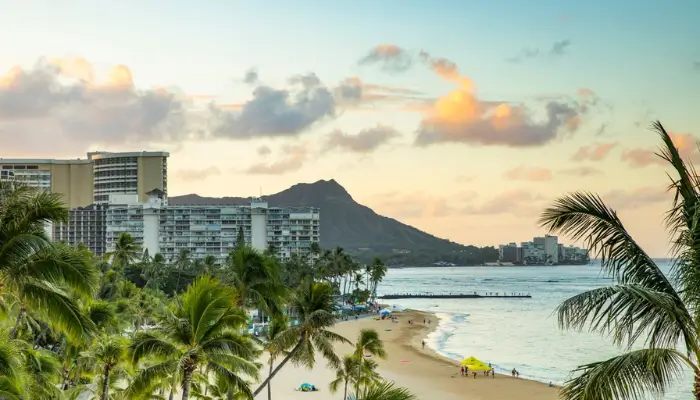
For beaches, Lanikai and Waikiki on Oahu, Kaanapali on Maui, Poipu on Kauai, and Hapuna Beach on the Big Island consistently rank as top places to see in Hawaii. For a more local experience, seek out smaller beach parks away from the resort strips. They tend to be quieter and give you a better sense of everyday island life.
Reservations You Need to Book Before You Land
Because this has become such a common source of confusion in 2026, it deserves its own section. Reservation systems now apply to Hanauma Bay, Diamond Head, Haena State Park, and Haleakala sunrise viewing.
Some, like Diamond Head, release slots weeks ahead. Others, like Haleakala sunrise, release slots exactly 60 days in advance. Set a calendar reminder the moment you book your flights so you do not miss the window.
Do You Need a Rental Car in Hawaii
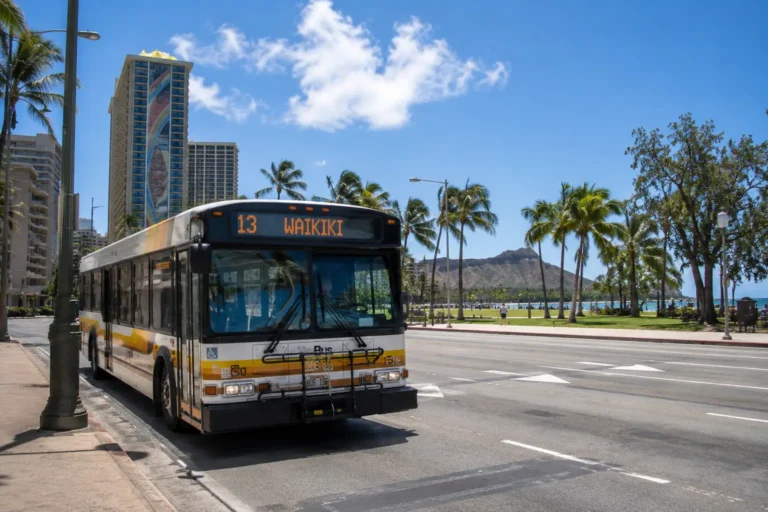
On Oahu, you can realistically get by without one. Waikiki has walkable beaches, TheBus covers most of the island, and rideshare apps work well for shorter trips. On Maui, Kauai, and the Big Island, a rental car is close to essential. Attractions are spread out, public transit is limited, and many of the best spots are only reachable by road.
If you do rent a car in Hawaii, book early. Rental car supply on neighbor islands can run tight during peak weeks, and prices climb fast as inventory shrinks. Watch for parking fees in resort areas, since several hotels now charge separate daily parking on top of resort fees.
How Much Does a Hawaii Trip Cost Now
Hawaii has always been a pricier U.S. destination, and the 2026 changes push costs up a bit further, mostly through taxes rather than headline prices.
Combined lodging taxes now sit near 18 to 19% once you add the state TAT, county surcharge, and general excise tax. A $400 nightly rate can carry around $75 a night in taxes alone. Add resort fees, which are still common and often mandatory, and your real nightly cost climbs well above the listed rate.
To manage a Hawaii vacation budget, book accommodations that include resort fees in the advertised price, cook some meals if your unit has a kitchen, and use the free or low cost natural attractions like beaches and hiking trails to balance out paid activities. Hawaii vacation planning works best when you build taxes and fees into your budget from day one instead of discovering them at checkout.
How to Save Money on a Hawaii Vacation
A few habits make a real difference on cost. Fly midweek instead of Friday or Sunday, since fares often drop on Tuesday and Wednesday departures. Book your rental car and any reserved attractions the same day you book flights, since prices and availability both worsen closer to your trip.
Choose a condo or vacation rental with a kitchen on at least part of your trip. Grocery runs on the first day can cut your food budget by half compared to eating out for every meal. Many of the best experiences in Hawaii, including beaches, tide pools, and short hikes, cost nothing at all. Balancing a few paid tours with these free spots keeps a week long trip affordable even with the higher 2026 taxes.
What to Pack for Hawaii
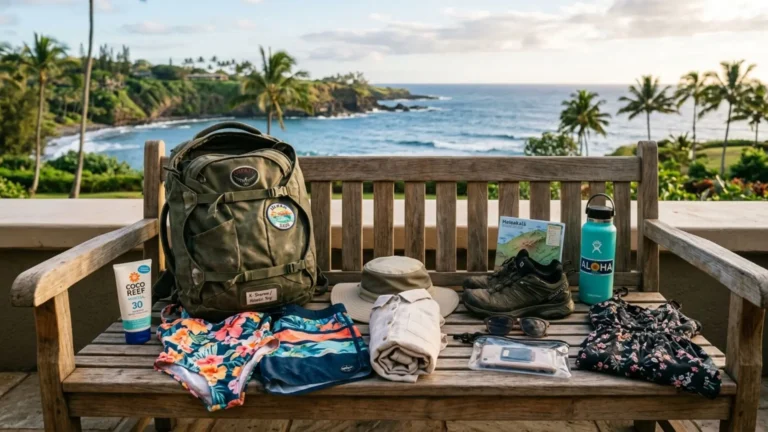
Pack light layers rather than heavy clothing. Days are warm, but higher elevation spots like Haleakala or Mauna Kea get cold, especially before sunrise. Bring reef safe sunscreen, since several beaches and preserves now restrict sunscreens containing oxybenzone and octinoxate.
Sturdy sandals or light hiking shoes matter more than dress shoes for most itineraries. If you plan to hike, pack a light rain jacket even in the dry season, since tropical showers can appear with little warning.
Hawaii Ocean and Hiking Safety Tips
Ocean conditions in Hawaii can change fast, and drowning is one of the leading causes of visitor injury in the islands. Always check the surf report and posted flags before swimming, and never turn your back on the ocean, even on a calm looking day. Strong rip currents can pull even confident swimmers away from shore within seconds.
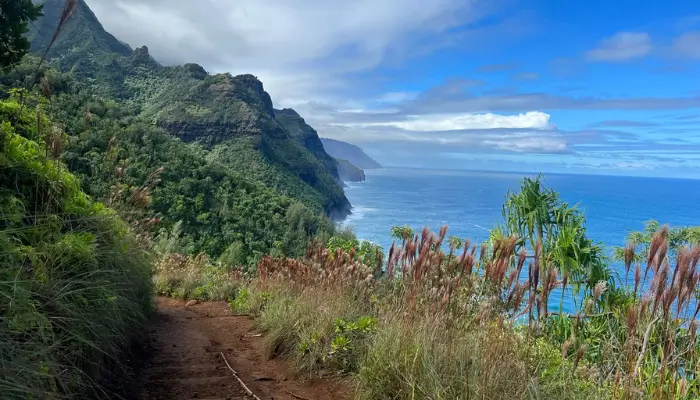
For hiking, check trail conditions before you go, since flash floods can close routes with little warning, especially on Kauai and the Big Island. Carry more water than you think you need, wear proper footwear, and avoid hiking alone on remote trails. If you plan to snorkel, keep a safe distance from coral and marine life, both to protect the reef and to avoid injury.
Hawaii Travel Etiquette Every Visitor Should Know
Hawaii is a living culture, not a theme park backdrop. A few etiquette basics go a long way. Do not touch or approach sea turtles, monk seals, or any marine life, since fines can reach thousands of dollars. Stay on marked trails to protect fragile volcanic and coastal ecosystems. Ask before photographing residents or private property. Learn a few basic Hawaiian words and use them respectfully rather than casually.
Respect also shows up in small choices, like avoiding areas still affected by the Lahaina wildfires unless they are officially reopened to visitors, and being mindful that some communities are still rebuilding.
Planning a Trip to Hawaii Step by Step
Good hawaii trip planning follows a simple order. First, pick your island or islands based on your trip style. Second, set your dates around the best time to visit for your priorities, whether that is whale season, dry weather, or lower prices.
Third, book flights and your rental car. Fourth, lock in reservations for restricted attractions the same week you book flights. Fifth, build your day by day itinerary around a manageable pace, not a packed checklist.
A Simple 7 Day Hawaii Itinerary
For a first trip to Oahu, a workable structure looks like this. Days 1 and 2 for arrival, Waikiki, and Diamond Head. Day 3 for Pearl Harbor and downtown Honolulu. Day 4 for the North Shore beaches.
Day 5 for Hanauma Bay snorkeling. Day 6 for a windward coast hike and Lanikai Beach. Day 7 for a relaxed final day before your flight. Adjust the order based on your reservation time slots.
What to Do in Hawaii: Must Do Experiences
For a well rounded trip, mix beach time with cultural and natural experiences. Snorkeling, a sunset catamaran ride, and at least one guided hike consistently rank as must do in Hawaii activities across every island. Try local food, including poke, plate lunch, and malasadas, rather than sticking only to resort dining.
Things to Do on the Island of Hawaii (Big Island)
The Big Island rewards a slower pace. Visit Hawaii Volcanoes National Park to see active lava fields and steam vents. Drive up to Mauna Kea for stargazing, one of the clearest skies in the world.
Explore black and green sand beaches, which are unique to this island. Because distances are large, plan your things to do on the island of Hawaii around geographic zones rather than trying to cross the whole island in one day.
Hawaii Travel Mistakes to Avoid
The most common mistake is trying to see too many islands on one trip. Interisland flights add cost and lost travel time that rarely pays off on a short visit. Another common mistake is skipping reservations for Hanauma Bay, Diamond Head, or Haleakala sunrise, then arriving to find no slots left.
Underestimating driving times is another frequent issue, since island roads are often slower than a map suggests. Finally, many visitors forget to budget for the full tax and resort fee stack, which can add hundreds of dollars to a week long trip.
Hawaii Travel Guide FAQ
The Green Fee, higher lodging taxes, and the start of Maui’s vacation rental phase out are the three biggest changes. Reservation requirements have also expanded across several top attractions.
Slightly. The Green Fee added 0.75% to the state hotel tax, pushing combined lodging taxes to nearly 19%. Resort fees and parking charges remain common on top of that.
Oahu is usually the easiest first island because of direct flights, public transit, and a wide range of hotels. Maui is a close second for travelers who want more resort style relaxation.
On Oahu, not always. On Maui, Kauai, and the Big Island, yes, since attractions are spread out and public transit is limited.
November and March tend to be the wettest months. Hurricane season runs June through November, with August and September historically the most active.
Many still are. Bill 9 phases out apartment zoned rentals by 2029 in West Maui and 2031 elsewhere. Resort zoned condos, hotels, and licensed rentals in single family zones remain unaffected. Always confirm zoning before booking.
Not really. A printed hawaii guide book can be a nice souvenir, but reservation systems, weather alerts, and rental rules change often enough that an updated online visitors guide to Hawaii or the official county websites will serve you better for anything time sensitive.
The best hawaiian travel guide for a first trip is one that separates island wide rules, like the Green Fee and reservation systems, from island specific advice, like beaches and hiking trails. Treat broad guides to the Hawaiian islands as your starting point, then dig into single island guides once you have picked where to stay.